

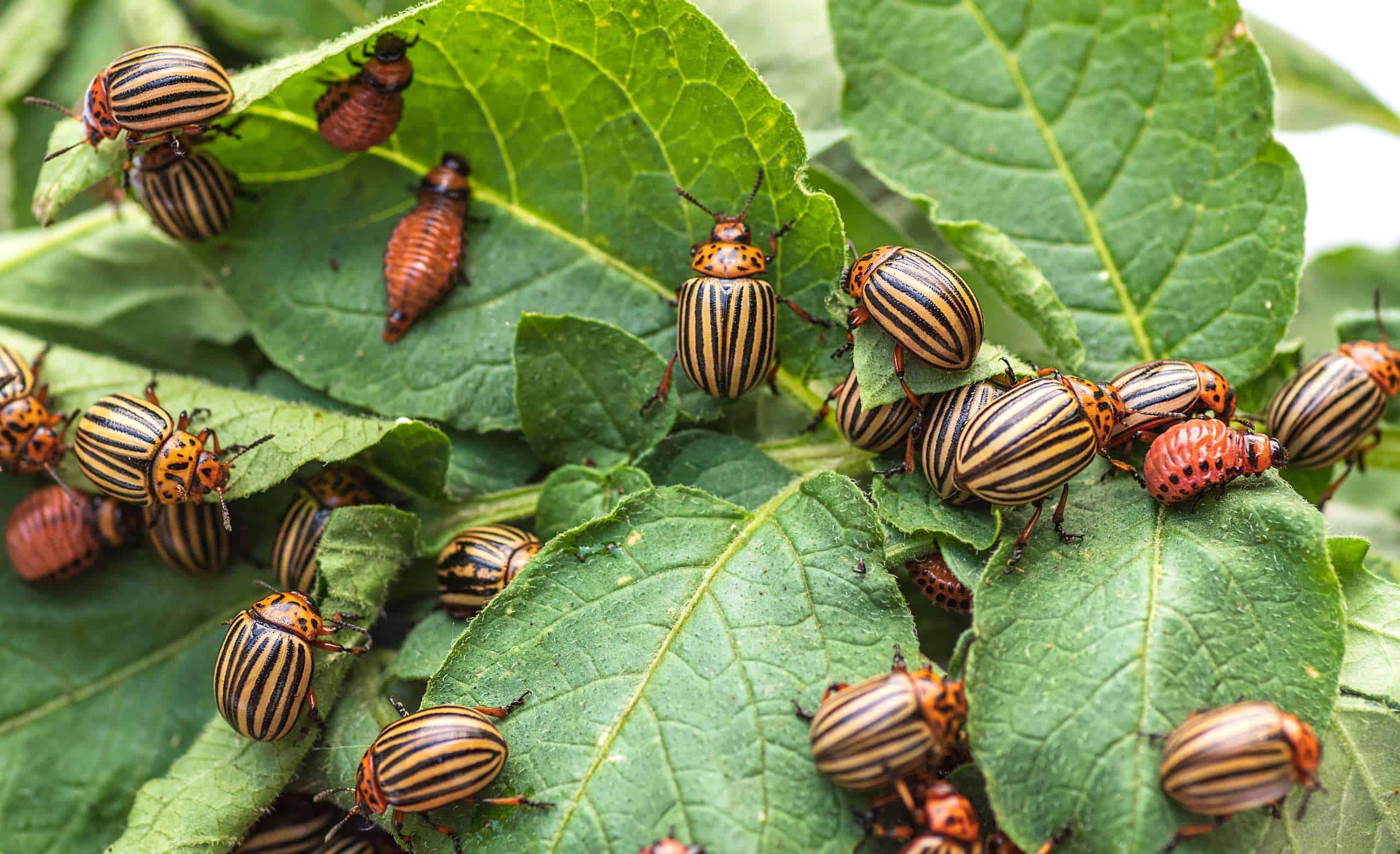
Beetles
Live Beetle-Free with Pointe!
Pointe Pest Control is committed to keeping your home pest-free in every season. Our team of experienced and state-certified technicians are dedicated to providing safe and effective pest control services for the Western Illinois and Eastern Missouri areas. If a pest problem is not completely resolved after a visit, our technicians will return until it is eliminated.
FREE PEST CONTROL QUOTE
Here Comes the Beetle
Home Sweet Home
Busy Beetles
Say Goodbye to Beetles Today!
Some description text for this item

Effective Treatments

Keep Pests Out

Beetle-Free Guarantee
Beetles in Missouri and Illinois
Bad Beetles, Bad Beetles
Pointe Pest Control Battles Beetles
Excellent Job
Had little beetles, John from Pointe Pest Control sprayed for them. [He] did an excellent job!
Free Pest Control Quote
Contact Us Form
Contact Pointe Pest Control Form
"*" indicates required fields
Frequently Asked Questions About Beetle
What are beetles and why are they common household pests?
Beetles are one of the largest groups of insects in the world, with thousands of species capable of entering homes. While many beetles live outdoors, certain species are attracted indoors by food, shelter, or suitable breeding conditions.
They are easily identified by their hardened wing covers, known as elytra, which protect their flying wings underneath. This structure allows beetles to survive in a wide range of environments.
When beetles enter homes, they can contaminate food, damage fabrics, or invade storage and living areas, making professional beetle control important.
Why do beetles enter homes?
Beetles enter homes searching for food, moisture, or undisturbed shelter. Cracks around doors, windows, foundations, and utility openings provide easy access.
Once inside, beetles often move quickly to hidden areas such as closets, basements, cabinets, upholstered furniture, and carpeting. Some species may survive briefly indoors, while others can reproduce and establish infestations.
Sealing entry points and applying professional barrier treatments helps prevent repeated invasions.
Where are beetles commonly found indoors?
Indoor beetle activity is most often discovered in low-traffic and undisturbed areas. Closets, attics, basements, pantries, and storage rooms are common hiding places.
Fabric-feeding beetles may be found near carpets, clothing, or upholstered furniture. Pantry beetles may be located near stored food products.
A professional inspection helps identify both visible beetles and hidden breeding areas.
What types of beetles can infest homes?
Many beetle species may invade homes, including carpet beetles, pantry beetles, wood-boring beetles, and occasional invaders from outdoors.
Some beetles feed on fabrics and natural fibers, while others attack wood, plants, or stored food. The type of beetle determines the treatment strategy.
Proper identification is essential for effective beetle control.
Are beetles dangerous to humans or pets?
Most beetles are not dangerous and do not bite or sting. However, they can still pose problems by contaminating food and damaging belongings.
Fabric-eating beetles can ruin clothing, carpets, and upholstery. Wood-boring beetles can weaken wood materials over time.
Professional control eliminates beetles before damage becomes widespread.
Can beetles damage property?
Yes. Certain beetles cause significant property damage depending on the species. Carpet beetles are known for damaging clothing, rugs, and furniture.
Wood-boring beetles tunnel through wood, feeding on cellulose and weakening structural or decorative materials. Garden beetles can damage plants and landscaping.
Early treatment limits costly repairs and material loss.
How quickly do beetle infestations grow?
Beetles undergo complete metamorphosis, progressing from egg to larva, pupa, and adult. Eggs are typically laid near food sources.
Larvae cause most of the damage, often remaining hidden for extended periods. Because of this, infestations can grow unnoticed.
Professional inspections help catch infestations early before populations expand.
What attracts beetles to homes?
Food sources are the primary attractant. Stored foods, fabrics, pet food, organic debris, and even dead insects can attract beetles.
Moisture and clutter also create favorable conditions. Leaks, humidity, and undisturbed storage areas increase risk.
Reducing attractants supports professional beetle control efforts.
How does professional beetle control work?
Beetle control begins with a comprehensive inspection to identify species, activity areas, and entry points. Treatments are customized based on findings.
Barrier treatments, targeted applications, and exclusion work are used to eliminate beetles and prevent re-entry.
This approach addresses both current infestations and future prevention.
Are beetle treatments safe for families and pets?
Yes. Treatments use EPA-approved products applied by trained professionals. Applications focus on cracks, voids, and exterior barriers.
Technicians apply products only where necessary and provide guidance on any precautions needed.
This ensures effective beetle control while maintaining household safety.
How long does beetle treatment take?
Treatment time varies depending on infestation size and property layout. Services begin with inspection, followed by targeted applications.
Most treatments are completed efficiently with minimal disruption. Follow-up visits may be recommended for ongoing protection.
Technicians explain timelines and expectations before service begins.
Will beetles return after treatment?
In some cases, beetles may be seen briefly after treatment as existing insects are affected. This is a normal part of the control process.
If beetle activity continues, technicians will return to reassess and adjust treatment as needed.
This ensures long-term beetle control and customer satisfaction.
How often should beetle control services be scheduled?
Recurring services provide the most reliable protection against beetles. Seasonal changes and environmental conditions affect beetle activity.
One-time treatments may resolve immediate issues, but ongoing services help prevent reinfestation.
Service frequency is based on inspection results and pest pressure.
What can homeowners do to help prevent beetles?
Seal cracks and gaps around doors, windows, and foundations. Repair leaks and reduce excess moisture.
Vacuum regularly, store food properly, and remove clutter that may attract beetles.
These steps enhance the effectiveness of professional treatments.
Do barrier treatments help with beetle prevention?
Yes. Barrier treatments create a protective zone around the structure that prevents beetles from entering.
These treatments are applied to foundations, entry points, and exterior surfaces where beetles travel.
Barrier treatments are a key part of long-term beetle prevention.
What happens if beetles return after service?
If beetle activity persists, Pointe Pest Control will return to address the issue. Treatments are adjusted to ensure complete elimination.
This pest-free guarantee provides peace of mind and ongoing support.
Continued monitoring and follow-up services keep beetles from returning.