

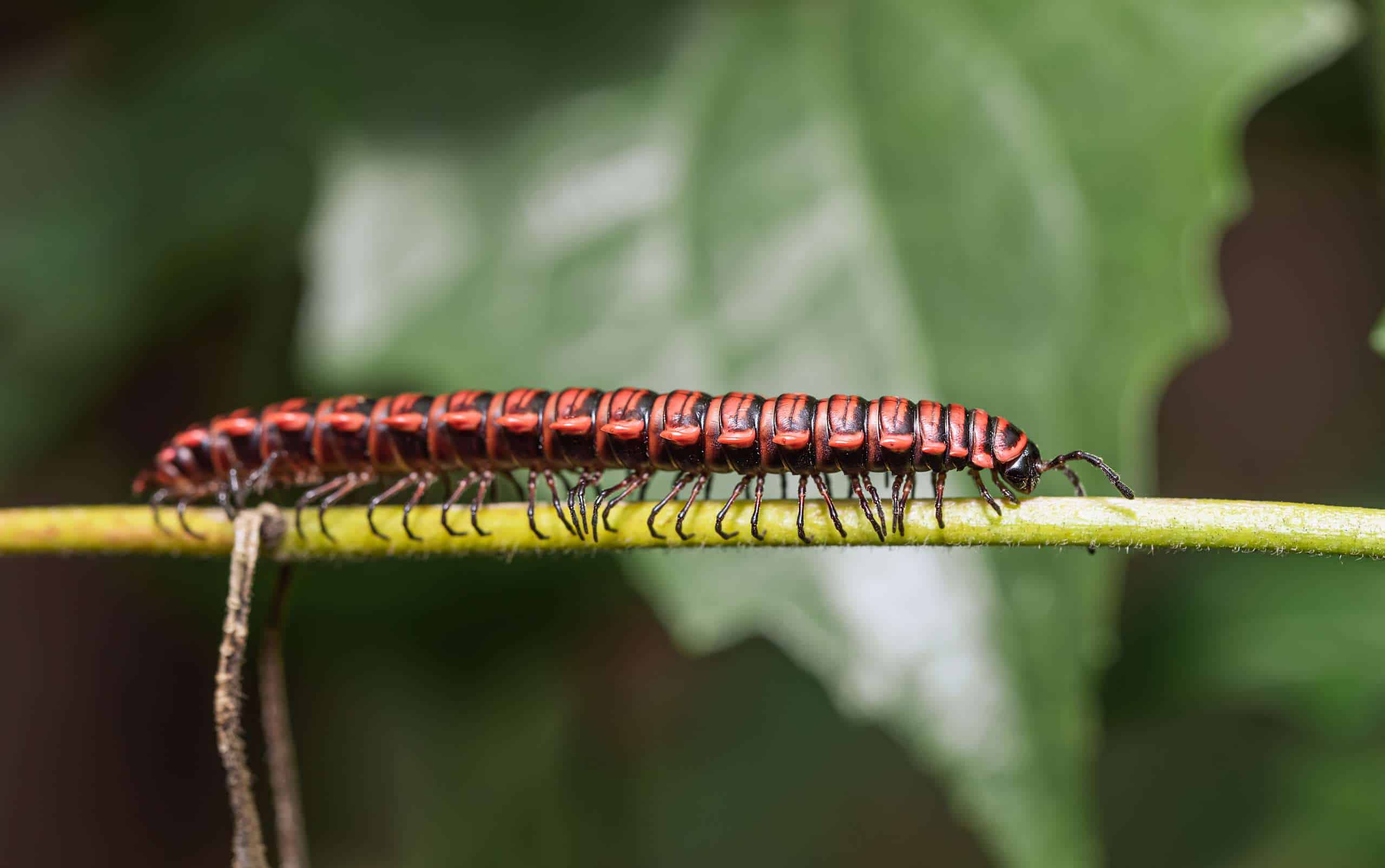
Millipedes/Centipedes
Live Centipede/Millipede-Free with Pointe!
Pointe Pest Control is committed to keeping your home pest-free in every season. Our team of experienced and state-certified technicians are dedicated to providing safe and effective pest control services for the Western Illinois and Eastern Missouri areas. If a pest problem is not completely resolved after a visit, our technicians will return until it is eliminated.
FREE PEST CONTROL QUOTE
Centipedes vs. Millipedes
Hidden in the Shadows
Surprising Carnivores
Talk to an Expert Today!

Initial Inspection

Personalized Treatments

Pest-Free Guarantee
Somewhat Dangerous, Mostly Creepy
So Many Legs, So Little Time
Stay One Step Ahead With Pointe Pest Control
Very Nice
They came promptly and sprayed inside as well as outside. It was quick and they were very nice. They also set out traps in the areas where we find centipedes most often.
Free Pest Control Quote
Contact Us Form
Contact Pointe Pest Control Form
"*" indicates required fields
Frequently Asked Questions About Millipedes & Centipedes
What is the difference between millipedes and centipedes?
Millipedes and centipedes are often confused due to their long bodies and many legs, but they are very different pests. Centipedes have flattened bodies with one pair of legs per segment, while millipedes have round bodies with two pairs of legs per segment.
Centipedes are fast-moving predators that hunt insects, while millipedes primarily feed on decaying plant material in soil. Their behaviors, habitats, and risks to humans vary significantly.
Professional pest control addresses both pests using tailored treatments based on their biology and activity patterns.
Why do millipedes and centipedes enter homes?
Both pests are attracted to moisture and dark, sheltered environments. Homes can provide ideal conditions, especially in bathrooms, basements, garages, and crawl spaces.
Millipedes usually wander indoors accidentally when outdoor conditions become too wet or dry. Centipedes may actively seek indoor shelter where prey insects are present.
Reducing moisture and sealing entry points are key components of millipede and centipede prevention.
Are millipedes and centipedes dangerous to humans?
Centipedes can bite using venomous jaws if they feel threatened. While their venom is not lethal, bites can be painful and may cause allergic reactions in some individuals.
Millipedes do not bite or sting, but they release a defensive toxin when threatened. This substance can irritate skin and cause burning or itching if handled.
Professional removal reduces the risk of accidental contact and related health concerns.
Where are millipedes and centipedes commonly found indoors?
Centipedes prefer dark, damp indoor spaces where moisture is present. Common areas include bathrooms, basements, laundry rooms, and garages.
Millipedes typically remain outdoors in soil, leaf litter, or garden beds but may enter homes through cracks or gaps. When indoors, they are often found near doors, windows, or foundations.
Identifying these hotspots allows treatments to target activity at its source.
What attracts centipedes specifically?
Centipedes are carnivorous and are attracted to homes with other insects. Their presence often indicates underlying pest activity.
They hunt pests such as cockroaches, flies, silverfish, spiders, and crickets. Moisture also plays a critical role in their survival.
Effective centipede control includes addressing both centipedes and their prey.
What attracts millipedes?
Millipedes are attracted to moist environments with decaying organic material. They feed on dead leaves, wood, and plant debris.
Overwatered gardens, leaf piles, mulch, and damp soil can increase millipede populations near structures. From there, they may wander indoors.
Outdoor habitat management helps reduce the likelihood of millipede invasions.
How do millipedes and centipedes get inside?
These pests enter through small cracks, gaps, and openings around foundations, doors, windows, and utility lines. Moisture-damaged areas are especially vulnerable.
Because both pests can crawl and climb, even small imperfections can serve as entry points. They may also enter through damaged seals or vents.
Exclusion work is an important part of long-term control.
What are signs of a millipede or centipede problem?
Seeing live millipedes or centipedes indoors is the most obvious sign of activity. Because they hide well, sightings often indicate more pests nearby.
Centipedes may be seen at night due to their nocturnal habits. Millipedes are often discovered after heavy rain or watering.
Professional inspections help determine whether the issue is isolated or part of a larger infestation.
Do millipedes and centipedes reproduce quickly?
Centipedes lay around 35 eggs per reproductive cycle and can live for several years. Millipedes lay significantly more eggs, sometimes up to 300, and have long lifespans.
Because of their reproductive capacity, small problems can grow into major infestations if left untreated.
Early intervention prevents populations from becoming established indoors.
Why is moisture control important for prevention?
Both pests rely heavily on moisture to survive. Excess humidity, leaks, and damp materials create ideal living conditions.
Reducing moisture through repairs, ventilation, and drainage improvements makes environments less hospitable. Dry conditions discourage activity and reproduction.
Moisture control works best when paired with professional pest treatments.
How does professional millipede and centipede control work?
Services begin with a thorough inspection to identify pests, entry points, and moisture issues. Treatments are tailored based on the specific pest and environment.
Barrier treatments, targeted applications, and exclusion methods are used to keep pests out. Treatments are applied to cracks, gaps, and known hotspots.
This approach addresses both current activity and future prevention.
Are treatments safe for families and pets?
Yes. Treatments use EPA-approved products and targeted application methods. Technicians follow strict safety protocols during every service.
Applications focus on hidden areas rather than exposed living spaces. Any necessary precautions are clearly communicated before treatment begins.
This ensures effective control without compromising household safety.
Can millipedes and centipedes cause property damage?
Millipedes do not cause structural damage but may harm plants if food sources are limited. Their presence indoors is mainly a nuisance.
Centipedes do not damage structures either, but their presence can be alarming. Both pests indicate environmental conditions that should be addressed.
Professional pest control helps restore comfort and peace of mind.
How often should millipede and centipede services be scheduled?
Recurring services provide the best long-term protection, especially in moisture-prone environments. Regular treatments prevent reinfestation.
One-time services may reduce immediate activity but may not address underlying conditions. Ongoing maintenance keeps pests from returning.
Service frequency is based on inspection findings and pest pressure.
What can homeowners do to help prevent infestations?
Seal cracks and gaps around doors, windows, and foundations. Repair leaks and address moisture issues promptly.
Remove leaf litter, mulch buildup, and decaying organic material near structures. Avoid overwatering gardens and lawns.
These steps support professional treatments and improve overall effectiveness.
What happens if millipedes or centipedes return after treatment?
If activity continues, Pointe Pest Control will return to reassess and re-treat affected areas. Treatments are adjusted as needed based on findings.
This pest-free guarantee ensures the problem is fully resolved. Follow-up services provide continued protection.
Ongoing support delivers reliable millipede and centipede control.