

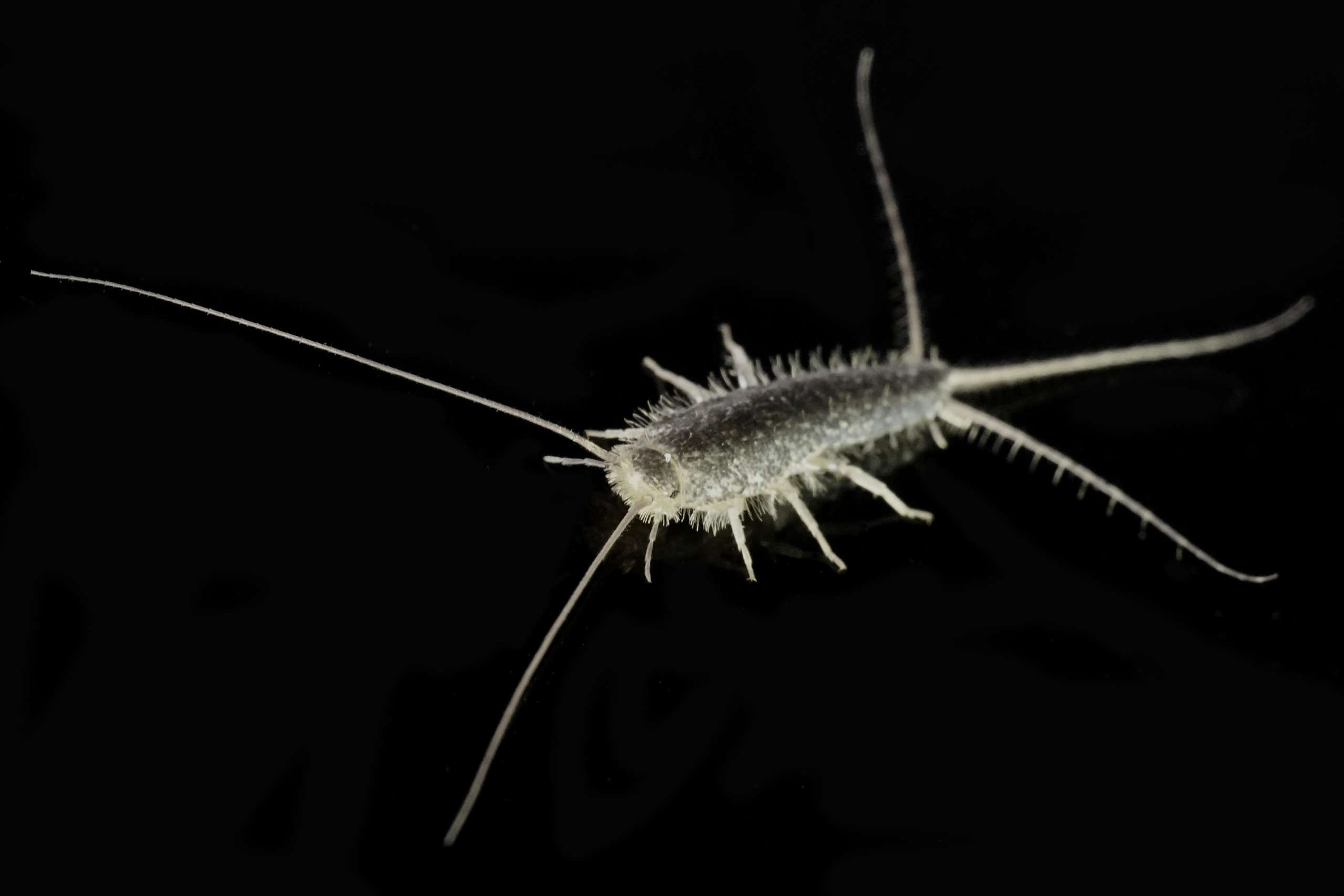
Silverfish
Live Silverfish-Free with Pointe!
Pointe Pest Control is committed to keeping your home pest-free in every season. Our team of experienced and state-certified technicians are dedicated to providing safe and effective pest control services for the Western Illinois and Eastern Missouri areas. If a pest problem is not completely resolved after a visit, our technicians will return until it is eliminated.
FREE PEST CONTROL QUOTE
A Golden Pest
Dark and Dreary
Munching on Materials
Call an Expert Today!
Some description text for this item

Initial Service

Quarterly Services

Pest-Free Guarantee
A Hole in One
The Life of a Silverfish
Pointe Pest Control Solves Silverfish
Great Service
We have been having issues with silverfish – they continually come back whenever I need and try new ways to deal with them. We have seen a decrease in their activity!
Free Pest Control Quote
Contact Us Form
Contact Pointe Pest Control Form
"*" indicates required fields
Frequently Asked Questions About Fleas
What are silverfish and why are they found in homes?
Silverfish are small, wingless insects known for their silvery appearance and quick, wriggling movements. They are nocturnal pests that avoid light and prefer hidden environments.
Homes provide silverfish with everything they need to survive, including shelter, moisture, and food sources. They are especially attracted to dark, damp areas close to carbohydrate-rich materials.
Silverfish control focuses on removing these favorable conditions while eliminating existing populations.
Are silverfish dangerous to humans?
Silverfish do not bite, sting, or transmit diseases to humans. However, they are still considered a nuisance pest because of the damage they cause to household items.
They chew through paper products, fabrics, and stored food, leaving behind jagged holes and shredded materials. Over time, this damage can become costly and frustrating.
Professional silverfish treatment helps protect personal belongings and prevents recurring infestations.
Where do silverfish usually hide?
Silverfish prefer dark, humid environments and are rarely seen during the day. Common hiding spots include bathrooms, kitchens, basements, attics, garages, and storage areas.
They often stay close to cardboard boxes, paper goods, insulation, and damp materials. Cracks, wall voids, and flooring gaps provide ideal shelter.
Targeting these hidden areas is essential for effective silverfish control.
What attracts silverfish to a home?
Silverfish are attracted to moisture, darkness, and food sources high in starch or sugar. Leaks, humidity, and poor ventilation create ideal living conditions.
They feed on items such as paper, book bindings, wallpaper glue, flour, oats, and even fabrics like silk. Damp cardboard is especially appealing.
Reducing humidity and removing accessible food sources helps limit silverfish activity.
How do silverfish get inside?
Silverfish enter homes through small cracks, gaps, and openings around doors, windows, and plumbing. They can also be brought inside through packages, boxes, or stored items.
Because they can crawl and climb, silverfish are capable of entering through roofs, skylights, and wall openings. Cooler weather can increase indoor sightings as they seek shelter.
Professional inspections help identify and seal entry points contributing to infestations.
What are the signs of a silverfish infestation?
The most common signs include small holes in paper, clothing, wallpaper, or upholstery. These holes are often irregular and appear over time.
Other signs include black pepper-like droppings, yellow dust from molting, shed skins, or deceased silverfish. Live silverfish are often seen in bathrooms or storage areas.
Early detection allows silverfish treatments to be more effective and less invasive.
Why are silverfish hard to eliminate?
Silverfish are elusive pests that hide deep within cracks and crevices. Their nocturnal behavior makes infestations difficult to detect early.
They reproduce steadily throughout the year and can survive long periods without food. As long as moisture and shelter remain available, populations can persist.
Professional silverfish control targets both visible pests and hidden nesting areas.
How does professional silverfish control work?
Silverfish control begins with a detailed inspection to locate activity, damage, and entry points. Treatment plans are based on the severity and location of the infestation.
Technicians use a combination of glue traps, dust applications, and barrier sprays to eliminate silverfish at all life stages. Treatments are applied to voids and hard-to-reach areas where silverfish hide.
EPA-approved products are used to ensure safe and effective pest control.
Are silverfish treatments safe for families and pets?
Yes. Silverfish treatments are applied carefully using EPA-approved products and targeted methods. Technicians follow strict safety protocols during service.
Applications focus on cracks, voids, and hidden areas rather than exposed living spaces. Any necessary precautions are communicated clearly before treatment.
This approach ensures effective silverfish control without compromising household safety.
Why is humidity control important for silverfish prevention?
Silverfish rely on moisture to survive and reproduce. High humidity speeds up egg hatching and supports long-term infestations.
Using dehumidifiers, fixing leaks, and improving ventilation makes the environment less favorable for silverfish. Dry conditions significantly reduce their survival rates.
Humidity control works best when combined with professional pest control services.
How often should silverfish treatments be performed?
Quarterly services are recommended to keep silverfish populations under control. Regular treatments prevent reinfestation and address new activity early.
Because silverfish can live for several years, ongoing maintenance is essential for long-term protection. One-time treatments may not fully resolve persistent infestations.
Scheduled pest control provides consistent coverage and peace of mind.
Can silverfish damage important household items?
Yes. Silverfish feed on paper, books, photographs, clothing, wallpaper, and insulation. Over time, repeated feeding can ruin valuable or sentimental items.
They often target stored materials that remain undisturbed for long periods. Damage is usually discovered after it has already occurred.
Professional silverfish treatment helps protect belongings by eliminating pests before further damage happens.
What is the silverfish life cycle?
Silverfish lay eggs year-round, often in cracks and crevices. Humidity accelerates egg hatching, allowing populations to grow steadily.
Nymphs resemble small adults and molt multiple times over several months. Silverfish can live up to three years under ideal conditions.
Treatments must address all life stages to fully eliminate infestations.
Do silverfish infestations spread quickly?
Silverfish do not swarm, but their slow and steady reproduction allows infestations to grow unnoticed. Over time, populations can spread throughout a home.
Because they hide well, infestations often appear larger once discovered. Waiting to treat increases the risk of widespread damage.
Early professional intervention leads to faster and more effective control.
What can homeowners do to prevent silverfish?
Reducing moisture is the most important prevention step. Repair leaks, use dehumidifiers, and improve ventilation in problem areas.
Store paper goods in sealed containers, reduce clutter, and inspect boxes before bringing them indoors. Seal cracks and gaps where possible.
These steps support silverfish prevention but work best alongside professional pest control.
What happens if silverfish activity continues after treatment?
If silverfish activity persists, Pointe Pest Control will return to reassess and re-treat affected areas. Treatments are adjusted based on inspection findings.
This pest-free guarantee ensures continued support until the problem is resolved. Follow-up services help prevent future invasions.
Ongoing care provides reliable, long-term silverfish control.