

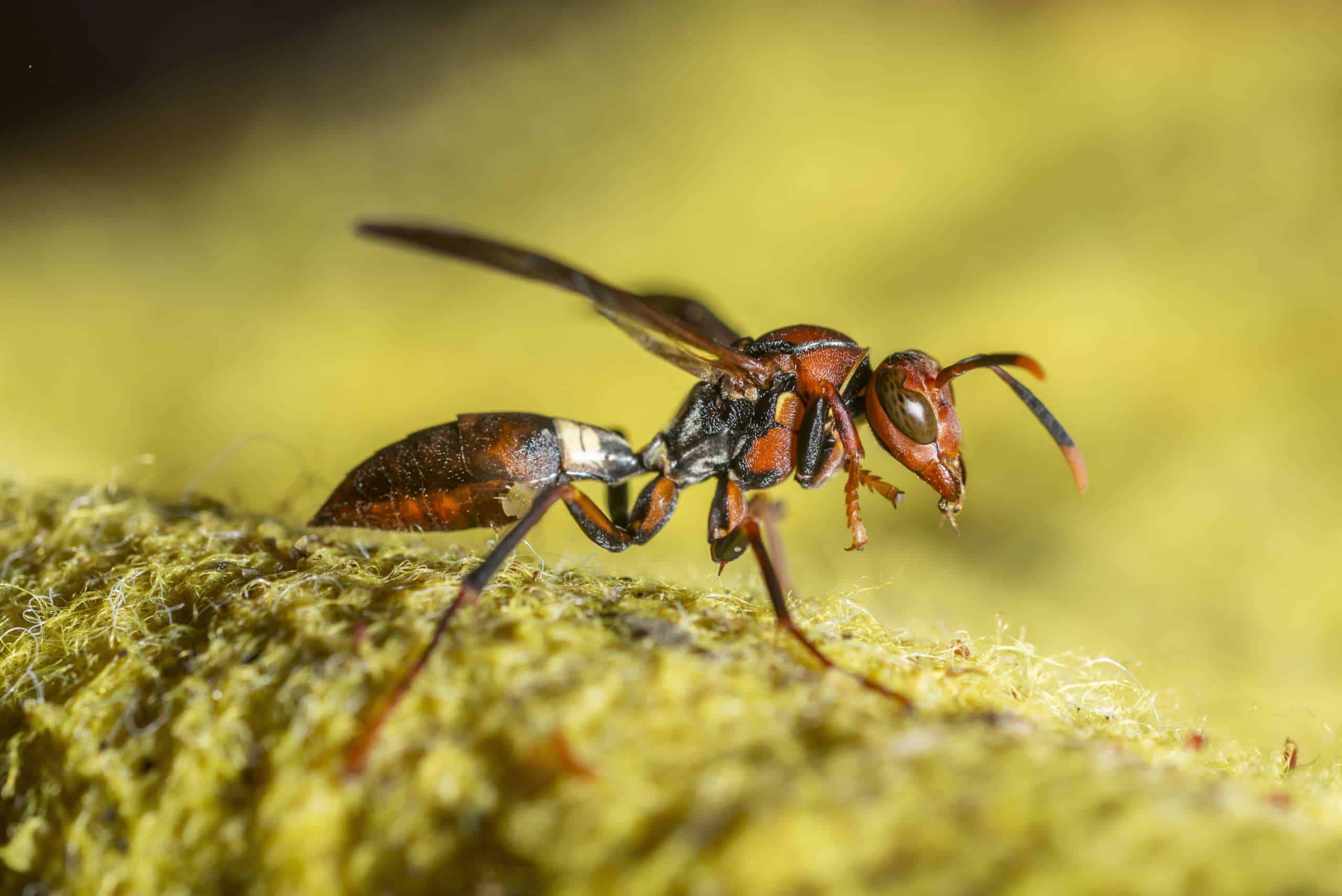
Stinging Bugs
Live Sting-Free with Pointe!
Pointe Pest Control is committed to keeping your home pest-free in every season. Our team of experienced and state-certified technicians are dedicated to providing safe and effective pest control services for the Western Illinois and Eastern Missouri areas. If a pest problem is not completely resolved after a visit, our technicians will return until it is eliminated.
FREE PEST CONTROL QUOTE
The Sting of the Seasons
Flowery Stinging Pests
Three Common Stingers
Call an Expert Today!
Some description text for this item

Initial Service

Quarterly Services

Pest-Free Guarantee
Nests of Stinging Pests
Be Smart About Stings
Pointe Pest Control Knows Stinging Pests
Professional and worth every penny
Pest control technician arrived promptly, effectively took out a large hornet’s nest from our property as well as addressed a growing box elder bug problem on our property. Very friendly, professional and worth every penny.
Free Pest Control Quote
Contact Us Form
Contact Pointe Pest Control Form
"*" indicates required fields
Frequently Asked Questions About Stinging Bugs
What are considered stinging bugs in pest control?
Stinging bugs include insects such as wasps, hornets, yellow jackets, and certain bees that defend themselves or their nests by stinging. These pests are most active during warmer months and often build nests near homes, businesses, and outdoor gathering areas.
Unlike biting insects, stinging bugs inject venom that can cause immediate pain, swelling, and irritation. Some species are highly territorial and may sting repeatedly if they perceive a threat to their colony.
Professional stinging bug control focuses on identifying the species involved, locating nests, and eliminating the infestation safely to reduce the risk of stings.
Why are stinging bugs dangerous around homes and businesses?
Stinging bugs pose a safety risk because their stings can be painful and, in some cases, medically dangerous. Individuals with venom allergies may experience severe reactions that require immediate medical attention.
Even without allergies, multiple stings can lead to swelling, infection, and significant discomfort. Aggressive species such as yellow jackets and hornets are especially dangerous when nests are disturbed.
Professional pest control helps reduce these risks by removing nests and controlling stinging bugs before accidental encounters occur.
What attracts stinging bugs to properties?
Stinging bugs are commonly attracted to food sources such as nectar, sugary drinks, exposed trash, and pet food. Many species are also drawn to flowering plants and landscaped areas.
Structural features like roof eaves, wall voids, sheds, and attics provide ideal nesting locations. Overgrown vegetation and cluttered outdoor areas further increase attraction.
Stinging bug prevention focuses on habitat modification, sanitation, and professional treatments that reduce these attractants.
Should I remove a stinging bug nest myself?
No. Attempting to remove a nest without proper training and equipment is extremely dangerous. Disturbing a nest often triggers aggressive swarm behavior and repeated stinging.
DIY methods rarely eliminate the entire colony and may worsen the infestation. Incomplete removal can cause insects to rebuild nearby or relocate inside structures.
Professional stinging bug control ensures nests are removed safely and thoroughly while minimizing risk to people and pets.
How does professional stinging bug control work?
Professional control begins with an inspection to identify the species, nest location, and level of activity. Different stinging bugs require different treatment strategies.
Technicians use targeted applications such as dusts, sprays, or nest removal techniques designed specifically for stinging insects. Treatments focus on eliminating the colony, not just visible insects.
This approach provides effective control while reducing unnecessary chemical exposure.
Are stinging bug treatments safe for families and pets?
Yes. Pointe Pest Control uses EPA-approved products applied by trained, state-certified technicians. Treatments are placed strategically in targeted areas rather than broadly applied.
Safety protocols are followed closely to protect occupants, pets, and beneficial insects whenever possible. Technicians also provide guidance on any short-term precautions needed.
This ensures effective pest control without compromising household safety.
Do stinging bugs return after treatment?
If a nest is not fully eliminated, stinging bugs may attempt to rebuild. That is why professional treatments focus on complete colony removal and preventative measures.
Ongoing pest control services help monitor activity and prevent new nests from forming. Regular inspections reduce the likelihood of reinfestation.
If stinging bugs return, follow-up services ensure the problem is resolved.
What time of year are stinging bugs most active?
Stinging bugs are most active during spring and summer when temperatures support high energy and reproduction. Nest building typically begins early in the warm season.
As colonies grow, insects become more aggressive in defending their nests. Late summer often sees peak activity and increased sting incidents.
Preventative treatments early in the season help reduce the chance of large infestations later.
Where do stinging bugs commonly build nests?
Common nesting locations include roof eaves, soffits, wall voids, attics, sheds, decks, and underground cavities. Some species prefer protected structural areas, while others build exposed paper nests.
Ground-nesting species like yellow jackets are especially dangerous because nests may go unnoticed until disturbed.
Professional inspections help locate hidden nests before they become a serious hazard.
Are bees treated the same way as wasps and hornets?
No. Bees play a vital role in pollination and are handled differently whenever possible. Pest control professionals assess whether relocation is appropriate rather than elimination.
Wasps, hornets, and yellow jackets are more aggressive and commonly require direct control measures. Species identification is essential for responsible treatment decisions.
This approach balances safety with environmental responsibility.
Can stinging bugs cause structural damage?
While stinging bugs do not consume wood like termites, some species can damage structures by building nests inside walls or attics. Nest expansion may block vents or create moisture issues.
Over time, repeated nesting can lead to secondary pest problems or structural concerns.
Early pest control intervention helps prevent these complications.
How long does stinging bug treatment take?
Treatment time depends on the size of the infestation and nest location. Most services can be completed efficiently once the nest is located.
Some situations require follow-up visits to ensure full elimination, especially with large or hidden colonies.
Professional service minimizes disruption while delivering effective results.
What should I do if I’m stung before treatment?
If stung, move away from the area immediately to avoid additional stings. Clean the sting site and monitor for signs of allergic reaction.
Seek medical attention if symptoms such as difficulty breathing, swelling of the face or throat, or dizziness occur.
Contact pest control promptly to address the source of the infestation and prevent further incidents.
Can stinging bugs infest commercial properties?
Yes. Commercial properties are often attractive due to dumpsters, outdoor dining areas, landscaping, and building design features.
Stinging bugs pose safety risks to employees, customers, and tenants. Professional commercial pest control helps maintain compliance and reduce liability.
Customized service plans address business-specific needs and traffic patterns.
How can stinging bug infestations be prevented?
Prevention includes sealing entry points, managing landscaping, securing trash, and reducing food attractants. Regular inspections are also essential.
Professional preventative pest control services identify risk factors early and apply treatments before colonies become established.
This proactive approach provides long-term protection and peace of mind.