

Summary: Chocolate can attract ants, roaches, rodents, and stored-product insects when sweets are left out or stored loosely. This guide explains the biggest risks of chocolate-loving pests, easy Valentine’s storage, and cleanup steps that help prevent infestations.
__________________________________________________________________________________________________________________________________
Chocolate has a way of showing up everywhere in February: heart-shaped boxes on the counter, candy bowls on the coffee table, and “just one more piece” wrappers tucked into the trash. The only problem is that you are not the only one who can smell it.
In the St. Louis area, sweets can turn into fast-moving Valentine’s Day pest problems, especially when snacks are left out overnight or stored in flimsy packaging. A little prevention now keeps your treats from becoming a pest buffet later.
Why Pests Love Chocolate More Than You Think

Chocolate is a double threat for pests because it combines sugar, fat, and strong aromas. Many insects and rodents rely on scent trails and tiny food residues, so even a few crumbs around a candy dish can be enough to invite traffic.
It also tends to be stored in places pests already patrol. Pantries, kitchen drawers, and warm cabinets are common foraging routes. Once a pest finds a reliable food source, it will often return and bring friends, which is why pests attracted to chocolate can feel like they appeared overnight.
The Worst Chocolate-Loving Pests to Watch For
Not every pest cares about chocolate, but a few household regulars absolutely do. If you are dealing with chocolate-loving pests, these are the usual suspects in homes across Eastern Missouri and Western Illinois.
Ants
Ants are built for sugar. A single smear of chocolate on a countertop can become a trail highway within hours, especially if the kitchen stays warm and humid.
The tricky part is that ants rarely stop at the candy. Once they are in, they will scout for other food sources, which can turn a “small snack problem” into a bigger indoor issue. If you keep seeing repeat activity, it may be time to look into professional help like Pointe’s ant control services.
Cockroaches
Roaches are not picky eaters, but they are especially interested in foods with starches, sugars, and oils. That makes chocolate bars, truffles, and frosting-covered leftovers a strong draw.
Roaches also thrive when food is easy to access and hiding spots are plentiful. If your Valentine’s treats are stored near cardboard packaging, clutter, or an overflowing trash can, you have a setup roaches tend to love.
Rodents
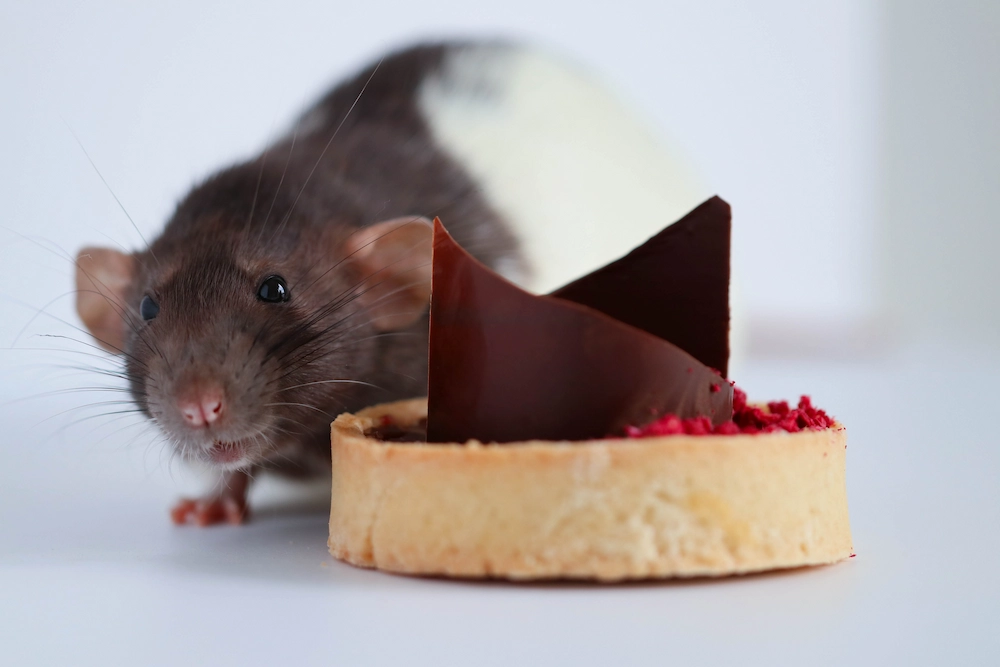
Mice and rats have excellent noses, and chocolate is a high-calorie reward worth working for. They can chew through thin plastic and cardboard, then stash pieces in hidden spots for later.
Because rodents contaminate what they touch, a “missing candy” situation is not just annoying. It can be a food safety concern, especially if you find droppings near storage areas. If you suspect rodent activity, consider a thorough inspection and targeted support like Pointe’s rodent control services.
Stored-Product Insects
This is where pantry pests and sweets become a frustrating combo. While many stored-product pests prefer grains, they are happy to exploit candy that contains nuts, wafers, or baking ingredients, and they may spread from one package to the next.
If you spot tiny beetles, moths, webbing, or odd clumps inside packaging, treat it like a pantry issue, not a one-off. The sooner you remove infested items, the easier it is to prevent the problem from expanding.
Where Valentine’s Candy Invites Trouble

Most infestations are not caused by the fancy chocolates themselves. They happen because the candy is left out, stored loosely, or tossed into a cabinet next to older food. A few common “Valentine’s zones” tend to attract pests first.
Gift packaging is a big one. Heart boxes, paper liners, and decorative bags look harmless, but they are easy to leave open on a counter or nightstand. Add a sticky ribbon, a few crumbs, and a warm room, and you have a perfect place for pests to linger.
Simple Ways to Protect Sweets Without Ruining the Fun

You do not have to hide every chocolate bar like it is contraband. The goal is to remove easy access and eliminate scents and crumbs that act like invitations. A little cleanup and smart storage go a long way in preventing pests during Valentine’s Day.
Use this quick checklist when you are hosting, gifting, or just keeping treats around the house:
- Transfer opened candy to airtight containers, especially anything with nuts or wafers.
- Wipe counters, nightstands, and coffee tables after unwrapping treats.
- Take out trash bags before bedtime if wrappers or boxes are inside.
- Store baking ingredients and sweets together in sealed bins to reduce pantry exposure.
- Vacuum around baseboards if you notice crumbs near seating areas.
If Pests Show Up Anyway
Sometimes prevention is not enough because pests were already nearby, or an entry point is giving them repeated access. If you are seeing frequent sightings, new droppings, or a steady trail to the same spot, it is worth taking it seriously.
Professional service helps because it is not just about removing what you see. A good plan focuses on inspection, targeted treatment, and exclusion so the same pests do not keep returning to the same candy drawer. If you want a hand getting ahead of common household pests attracted to sugar, Pointe Pest Control can help you build a plan that fits your home and season.
Valentine’s treats should bring the sweet stuff, not the creepy-crawlies. With better storage, faster cleanup, and a little awareness of where candy tends to linger, you can avoid most seasonal pest surprises. Prevention now equals peace of mind later.
If you suspect an active issue or you want a proactive plan before spring pest activity ramps up, reach out to Pointe Pest Control for local help across Eastern Missouri and Western Illinois.
Citations
Pantry pests: Insects found in stored food (2024). University of Minnesota Extension. Retrieved February 10, 2026, from https://extension.umn.edu/product-and-houseplant-pests/pantry-pests-insects-found-stored-food