
Summary: A practical, step-by-step guide for St. Louis homeowners to prevent stink bugs—starting with sealing entry points—plus smart indoor responses and when to call a pro.
______________________________________________________________________________________________________________________________________
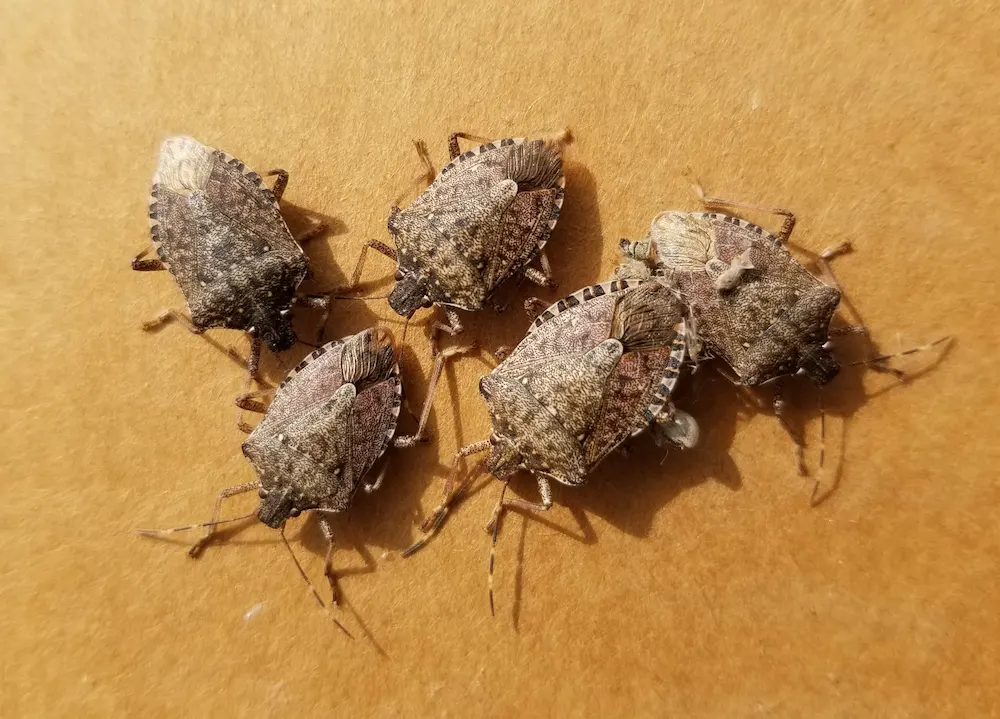
If you’ve ever opened a window on a crisp September day and spotted a shield-shaped bug on the sill, you’ve met our most infamous seasonal nuisance: the stink bug. These pests don’t bite or damage your home, but they do sneak in by the dozens once temperatures dip.
Their infamous odor is released when the bug is crushed or threatened, so a seasonal nuisance can easily turn into a smelly nightmare. The key to prevention is exclusion: seal first, then treat where it counts.
Step 1: Find and Seal Their Favorite Entry Points
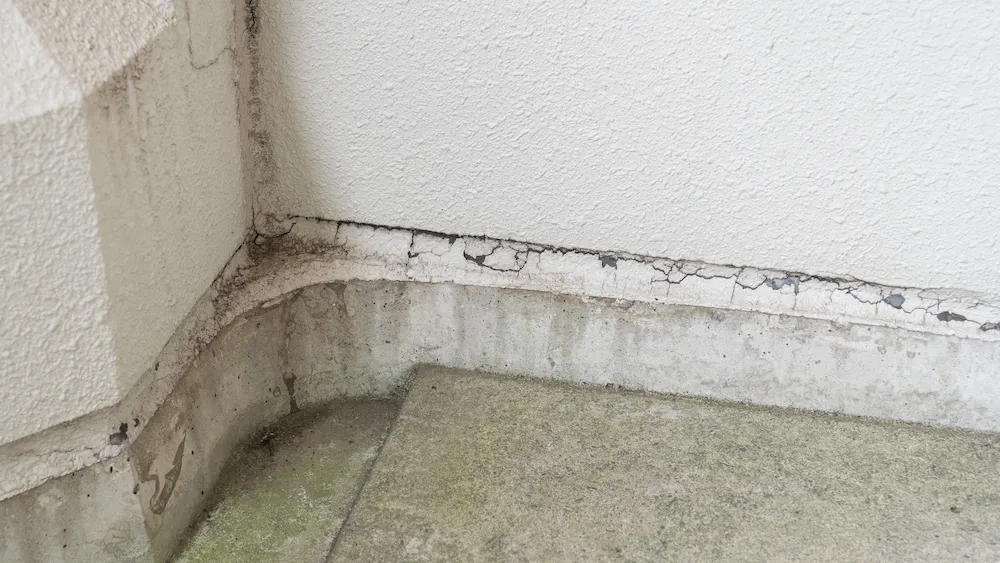
Stink bugs slip through tiny gaps. Do a slow, methodical perimeter walk and hit these hotspots:
- Doors: Install tight-fitting door sweeps, and replace worn weatherstripping. If you can see daylight at the corners, it needs to be replaced.
- Windows: Re-caulk gaps around the frames and trim to create a tight seal. Ensure the sliders fully latch, and repair torn screens.
- Siding & Trim: Apply caulk to the cracks where utility lines, faucets, and cable or AC lines enter the house. Also, seal gaps near the soffits, vents, and the intersections of different materials.
- Attic & Roof: Screen attic, gable, and ridge vents with 1/8″ hardware cloth to keep pests out. Repair any gaps around the chimney and roofline.
- Basement & Foundation: Seal cracks in the foundation and mortar joints, and install covers on crawlspace vents.
- Weep Holes & Vents: If you have bricks, use approved weep-hole covers to block out bugs. Protect dryer and bathroom vents with pest-proof screens that don’t block airflow.
Step 2: Make the Exterior Less Inviting
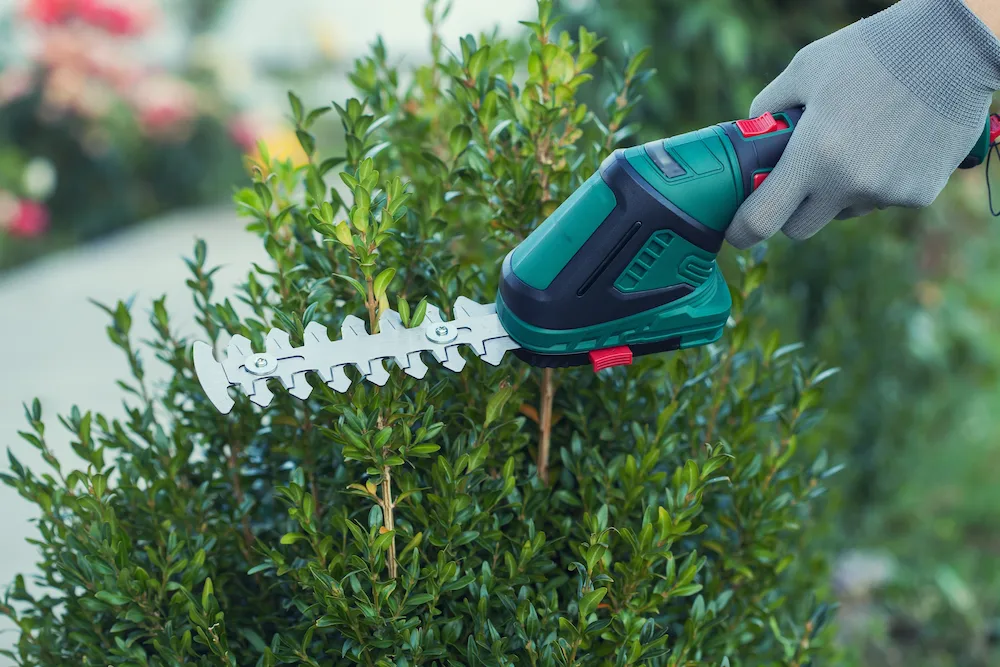
Stink bugs, like most pests, enter houses from the outside. By making your house’s exterior less inviting to these pests, you prevent them from turning your home into their winter shelter. The steps to accomplish this are:
- Trim back shrubs, vines, and tree limbs that touch the house. These act as bridges to the upper siding and soffits.
- Rake leaves and bag them up for removal. Keep the foundation clear by removing leaf litter and natural debris from the base.
- Store firewood at least 20 feet from the house and keep the pile elevated off the ground.
- Reduce moisture around the yard, especially if it doesn’t drain well after it rains. Clean out the gutters, extend downspouts away from the house, and fix leaky spigots and hoses.
- Swap bright white bulbs for warm-toned LED lights on porch and garage fixtures. Stink bugs are attracted to standard bright lights on fall evenings.
Step 3: Smart, Safe Indoor Responses

If you’re already seeing stink bugs in your home, don’t panic. These pests are harmless and are more of a nuisance than anything else. Avoid crushing them since that triggers the odor. Their spray can stain furniture and walls, so it’s in your best interest to leave them uncrushed.
Instead, drop them into a cup of soapy water to safely kill them. The quickest removal method is to use a vacuum with a disposable bag and discard the bag immediately. You can still vacuum them if yours doesn’t have a bag, but be warned: the odor may stay in the canister for a while.
Step 4: Professional Perimeter Treatments & Exclusion
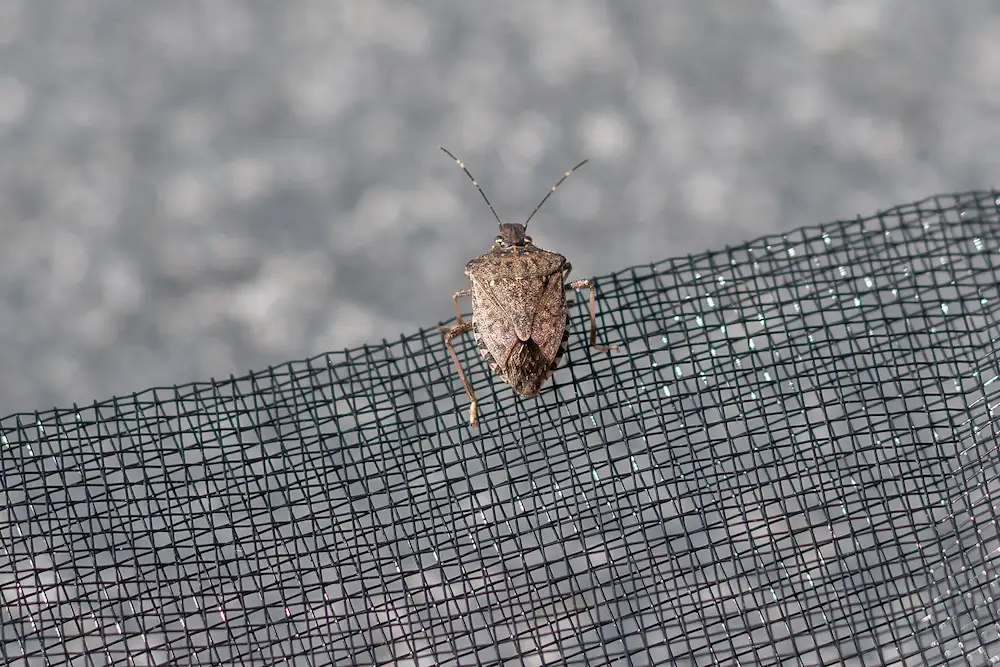
When exclusion work is paired with targeted exterior treatments, the risk of an infestation is incredibly lower. At Pointe Pest Control, we solve stink bug problems with efficiency and care. Our licensed technicians focus on sun-warmed walls, eaves, soffits, siding seams, and around doors and windows. The perimeter applications are made to combat overwintering insects.
Learn more about our stink bug control service and how we protect local homes.
Live in the city? Get fast help from our St. Louis team here.
Your Seasonal Stink Bug Checklist
We’re big fans of lists (can you tell?), so here’s a short checklist of the essential steps to a stink bug-free home:
1. Seal: Caulk and weatherstrip around doors, windows, siding seams, utility entrance points, and vents.
2. Screens: Repair or replace torn window and door screens. Add 1/8″ mesh on attic and gable vents that don’t have any.
3. Lights: Use warm-toned bulbs outdoors. At night, turn off unnecessary lights to avoid attracting nocturnal bugs.
4. Landscape: Trim vegetation at least one foot away from the structure. Remove leaf litter and natural clutter from the foundation.
5. Moisture: Eliminate extra moisture by fixing leaks, clearing clogged gutters, and extending downspouts.
6. Respond: If you see any stink bugs in the house, remove them ASAP by dropping them in soapy water or vacuuming them up and discarding the bag.
7. Call Pointe: Pair your preventative steps with Pointe’s professional perimeter treatments before peak fall activity.
Ready to keep stink bugs out for good? Call Pointe Pest Control for a free quote and a prevention plan tailored to your home.
Citations
Stink bugs. (2025, May). UC IPM. Retrieved September 24, 2025, from https://ipm.ucanr.edu/home-and-landscape/stink-bugs/#gsc.tab=0