
Summary: Wood rot and wood damage from pests are both destructive, but there are key differences. This blog explains the contrast between the two and discusses the habits of wood-boring pests. Pointe Pest Control solve pest issues with efficiency.
______________________________________________________________________________________________________________________________________
As great as it is to be a homeowner, we would be remiss to ignore the potential problems that a house can have. Roof leaks, A/C failures, faulty door seals…the list goes on. One common house issue is wood damage, but the source of the problem is where it gets interesting.
Is it a standard case of wood rot or a pest infestation? Neither option is better than the other, especially since they’re linked in many ways. Let’s learn the key differences between wood rot and the 3 worst wood-boring pests, then explore the best ways to prevent both from taking over your home.
Wood Rot
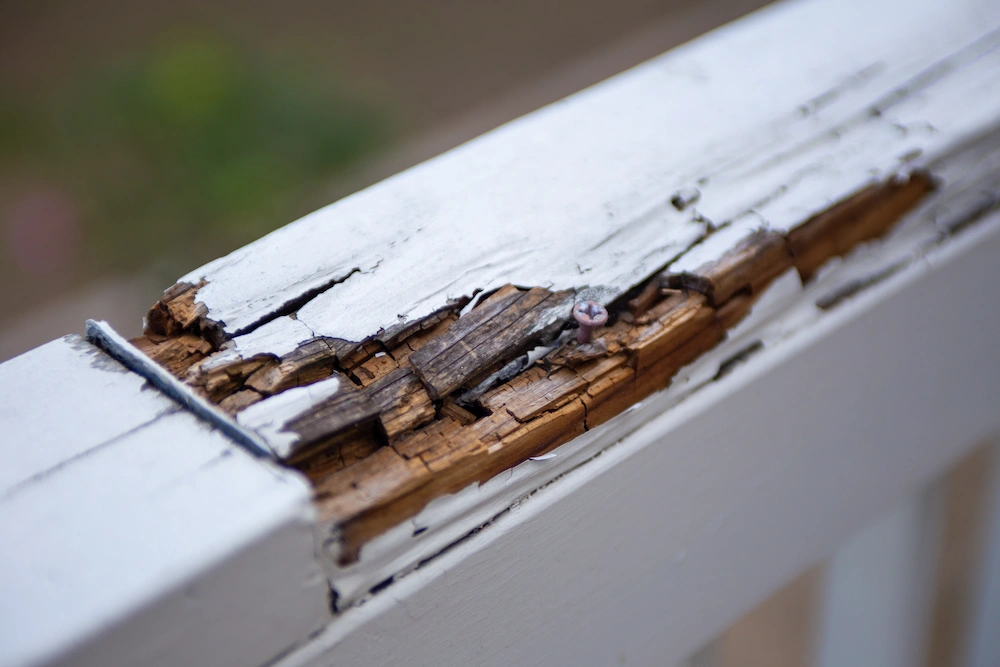
We need to establish the baseline of wood damage before we look into the habits of wood-destroying pests. Wood rot is completely natural and doesn’t warrant a second thought when it’s happening in the middle of nowhere. But when a door frame or baseboard in your house has wood rot, it’s a different story.
Lumber in house construction is often treated with chemicals that prevents wood rot, but these products don’t last forever. When wood is constantly exposed to water, sunlight, and temperature changes, it’s susceptible to mold. Mold develops on damp wood, causing it to break down and crumble when touched.
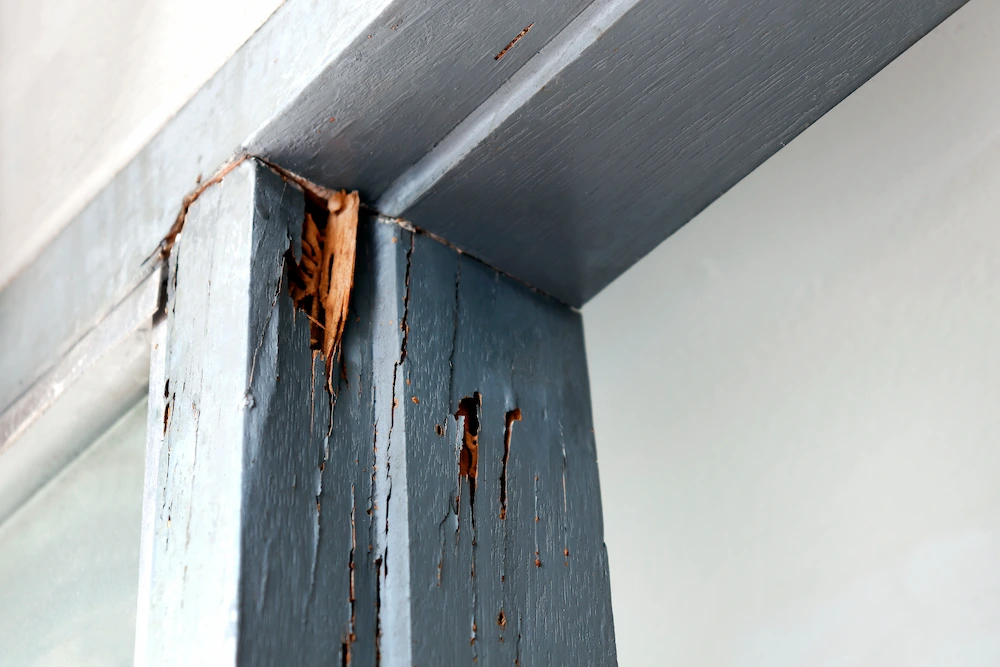
Wood rot usually develops near seams, especially on the roof, doorframes, and window frames. If you notice wood damage in these areas and there aren’t any pests, you might be facing wood rot. But if you do see pests near damaged wood, there are 3 main suspects.
Termites

This might be the most infamous wood pest of all time, and for good reason. Termites actually eat the wood they chew through because they like the cellulose. They enjoy both healthy and rotting wood, though weaker wood is easier on their mandibles. Termite nests are relatively messy since their tunnels grow as they eat further into the wood.
Termites like invading homes because the extra insulation lets them continue working year-round. They protect their tunnels by packing the outside with mud tubes made of soil, wood, and termite saliva. These tubes are a clear sign of a termite problem. Another sign is sawdust-like frass (droppings) at the base of the damaged wood. Termites clear out the clutter!
Carpenter Ants
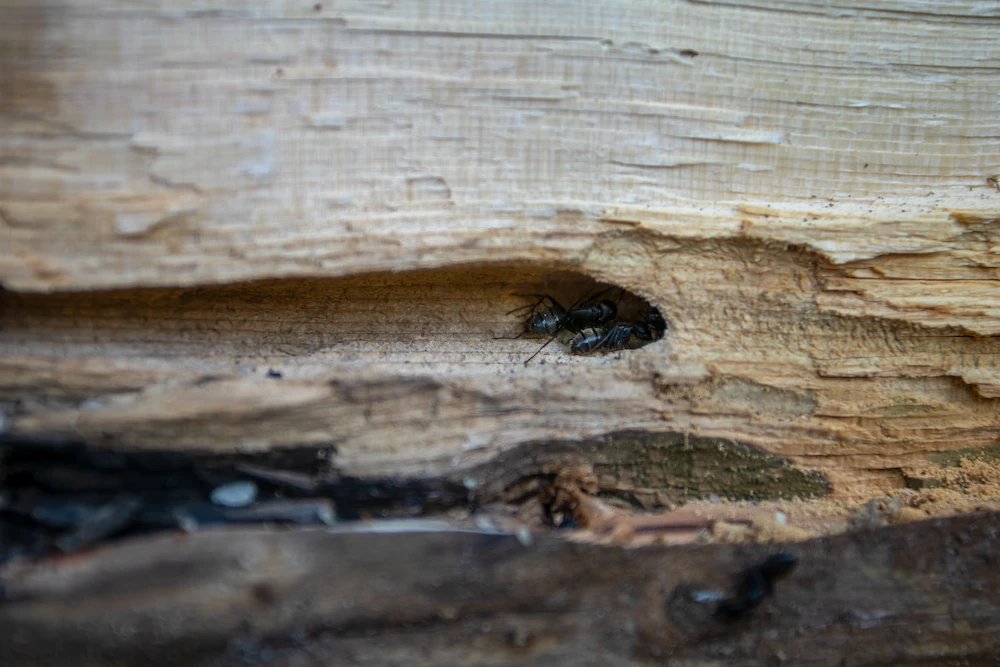
Carpenter ants are similar to termites in a lot of ways, other than one key difference. Termites actually eat the wood they carve through, whereas carpenter ants don’t eat it at all! They just use their sharp mandibles to cut through the wood and push it out of the nest as they go. Instead, these ants eat honey, juice, sugar, aphid honeydew, pet food, and meats.
Carpenter ants prefer rotting or moist wood, so they don’t really go for healthy wood. Inside the nests, carpenter ants carve neat tunnels and tidy galleries to house the thousands of ants in the colony. It’s a messier scene on the ground outside the nest since the ants push sawdust, droppings, old food, and dead ants out of their tunnels.
Carpenter Bees
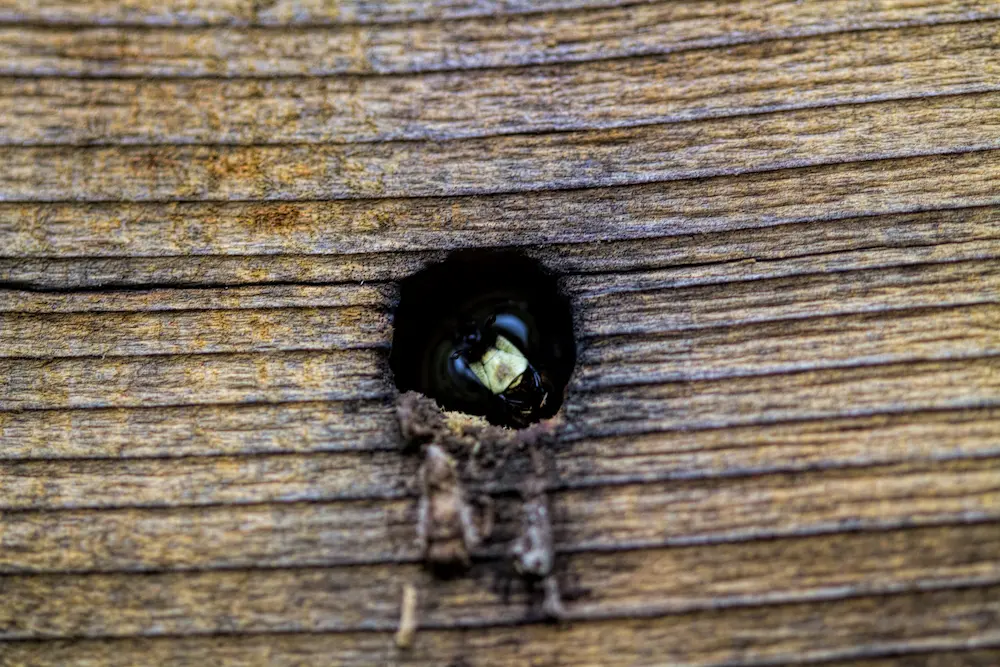
These black bees look scary, but they’re gentle giants when it comes to stinging us. Male carpenter bees can’t sting us at all, so their tactic is to dive at us when we’re too close to their nests. Female carpenter bees are reluctant to sting but will when they deem it necessary. These solitary bees are more focused on expanding their wooden nests.
Carpenter bees carve round holes about 1 inch deep into unpainted or damaged wood. Like carpenter ants, these bees don’t eat the wood. They just push out the sawdust as they create 6 to 8 chambers that will each hold an egg. Each generation expands the nest inside the wood. Their carved holes look like drill holes, so carpenter bee damage often flies under the radar.
Signs of the Damage
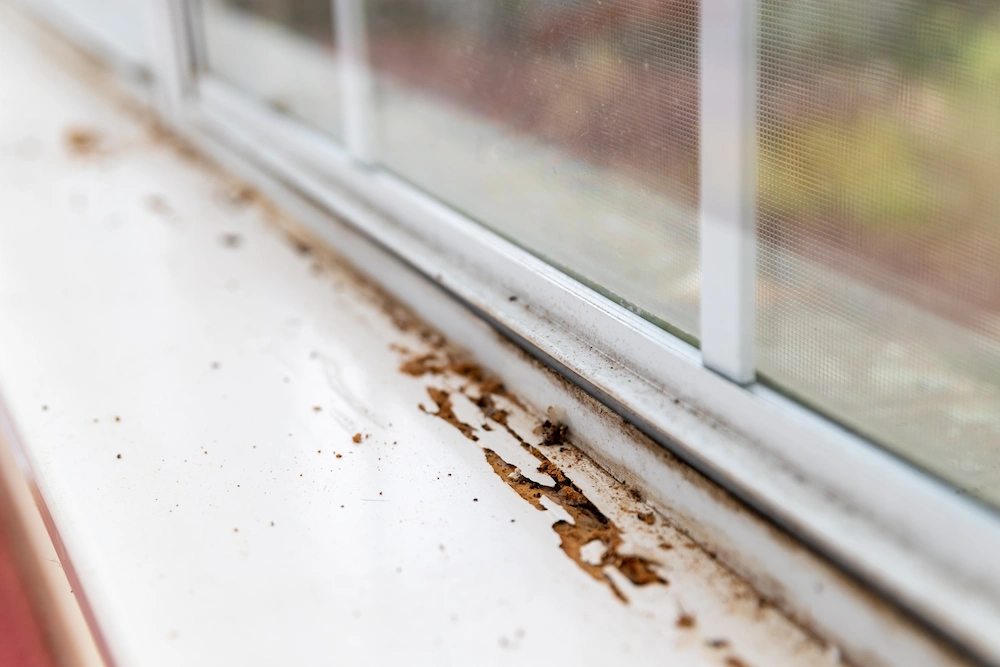
We mentioned a couple of specific signs in each category, but there are many signs with plenty of overlap between categories that we want to discuss. If you notice any of these signs in your house, investigate the issue to determine the source. Anything pest-related should be handled by pest control professionals, but we’ll get to that later.
For now, these are the general signs of damage that come with each type of wood-destroyer:
Wood Rot: water stains near wood, rotted wood, dry wood chunks, mold, musty odor, soft wood, discolored wood
Termites: Irregular gnaw marks in wood, mud tubes, hollow-sounding wood, peeling paint, bubbling floorboards, lines of missing wood
Carpenter Ants: sawdust near walls, tiny holes in wood, neat holes and tunnels into wood, a rustling sound in the walls, ants gathering near wood
Carpenter Bees: round holes in wood, random sawdust, bees diving at you near a certain spot, more woodpeckers in the yard (they love carpenter bee larvae!)
How to Prevent Wood Damage
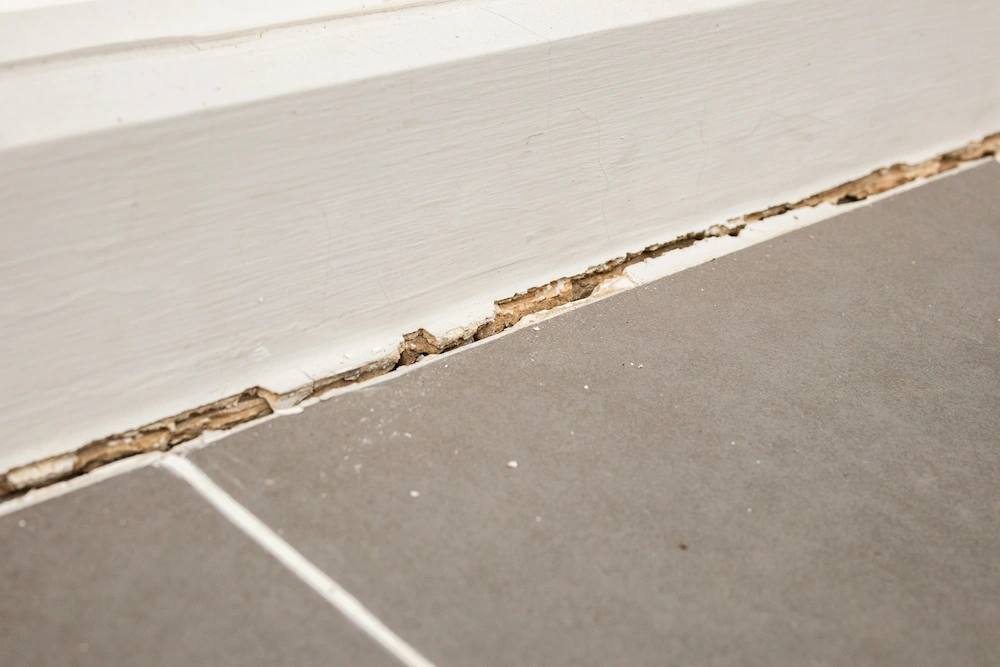
There really isn’t a lesser of the 4 evils we discussed here. Carpenter bees might sound like they’re the least destructive, but their generations will expand the nests and damage the wood from the inside out. This is why it’s best to prevent any wood damage — pest-related or not — from happening in the first place.
Our recommended tips for preventing wood rot and wood-destroying pests are:
- Protect Your Firewood Pile — Make sure your firewood is protected from pests and the elements. Store the pile at least 20 feet from the house, and keep it covered and dry.
- Seal Cracks in the Exterior — Check your house’s exterior for any cracks and gaps, especially near the foundation. Seal these imperfections with waterproof caulk.
- Keep the Foundation Dry — Speaking of which, a dry foundation keeps termites and the like out. Make sure the mulch or soil isn’t touching the house and the water drains away.
- Have Good Ventilation — Attics, basements, and garages need proper ventilation to stay dry and pest-free. Consider getting a dehumidifier if these spaces retain a lot of moisture.
- Check the Wood for Damage — If there’s damaged wood in your house, there’s an easy way to tell if it’s wood rot or pests. Use a screwdriver or similar tool to gently pry into the wood and inspect the internal damage for the signs we mentioned earlier.
- Repair Moisture/Wood Damage ASAP — Wood damage and wood rot can get much worse with invasive pests. Inspect your house for new wood damage and get it repaired ASAP.
- Look for the Signs — Pest prevention is all about vigilance, and it’s no different with these pests. Keep an eye out for the common signs. If you know pests are involved, it’s time to call in the pros.
Pointe’s Effective Pest Solutions (No Knocking on Wood Required!)
When you need efficient pest solutions, Pointe Pest Control is your best bet. Our licensed technicians address every pest issue with the attention and care that they require. We don’t waste time with surface-level products that can’t reach the root of the problem. Instead, we create a treatment plan that’s customized to solve the issue with targeted treatments.
Fall is just around the corner, and with this season comes a slew of pests trying to invade our homes before winter arrives. Don’t let pests make your home their sanctuary. Contact us for a free quote on our reliable services today!
Citations
Carpenter ant size. (n.d.). Orkin. Retrieved August 27, 2025, from https://www.orkin.com/pests/ants/carpenter-ants/carpenter-ant-size
Hansen, J. (n.d.). How to kill carpenter bees and identify their damage. Amdro. Available at https://www.amdro.com/learn/wood-damaging-pests/identifying-and-controlling-carpenter-bee-damage (Accessed on August 27, 2025).
Wallender, L. (2025, May 18). Is that termite damage or wood rot? How to tell the difference so you can fix it fast. The Spruce. Available at https://www.thespruce.com/termite-damage-vs-wood-rot-11725956 (Accessed on August 27, 2025).