

Ticks
Live Tick-Free with Pointe!
Pointe Pest Control is committed to keeping your home pest-free in every season. Our team of experienced and state-certified technicians are dedicated to providing safe and effective pest control services for the Western Illinois and Eastern Missouri areas. If a pest problem is not completely resolved after a visit, our technicians will return until it is eliminated.
Free Pest Control Quote
All About Ticks
Pets and Ticks
The Risks of Ticks
Call a Tick Expert Today!

Safe and Effective Products

Follow-up Treatment

Tick-Free Guarantee
Ticks In Missouri and Illinois
Stop Ticks With Pointe Pest Control
Tick Prevention
I would highly recommend
We have used Pointe for about a year. They come quarterly for mice since we live in the country and monthly during the summer for fleas, ticks and mosquitoes. We have been pleased with the service and the friendliness and professionalism of the technicians that come out. I would highly recommend Pointe Pest Control.
Frequently Asked Questions About Ticks
What are ticks and why are they considered dangerous pests?
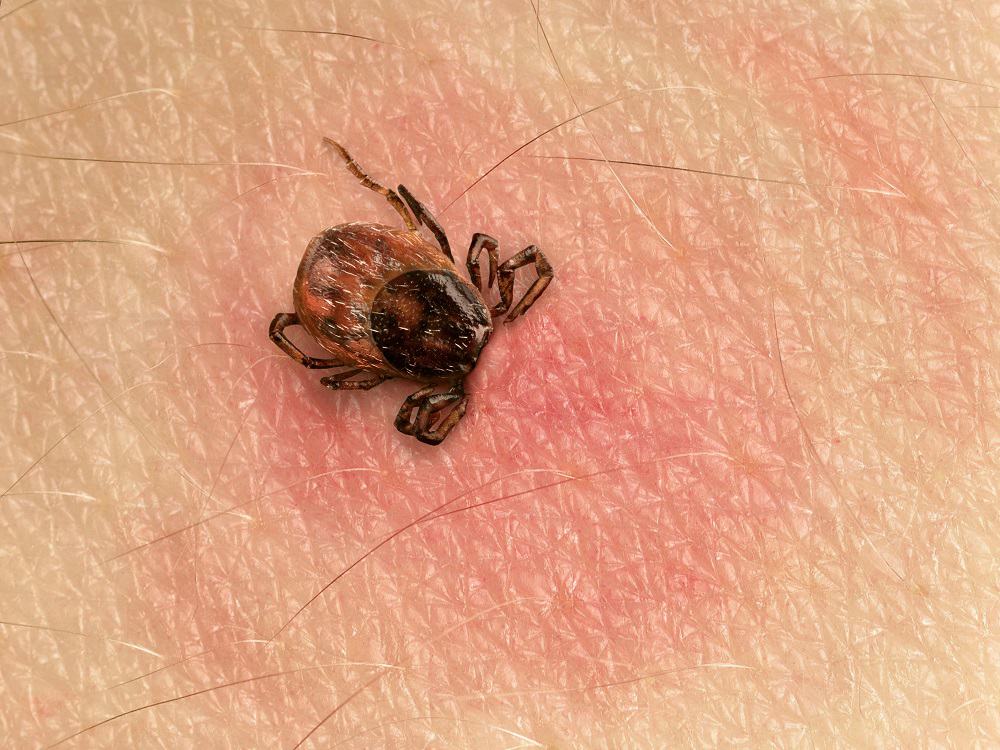
Ticks are arachnids, not insects, and are closely related to spiders. They rely on mammals as hosts by attaching to exposed skin and feeding on blood for extended periods of time.
The danger of ticks lies in their ability to transmit serious diseases while feeding. Unlike many pests, ticks often go unnoticed until symptoms appear, increasing the risk of infection.
Professional tick control is critical because eliminating ticks requires treating both active ticks and the environments where they live and reproduce.
How do ticks get into yards and outdoor areas?
Ticks live in tall grass, weeds, brush, and shaded vegetation where moisture is present. They wait on plants for people or animals to pass close enough to latch on, a behavior known as questing.
Pets often transport ticks into yards after walking through overgrown areas. Wildlife such as deer and rodents can also introduce ticks to outdoor spaces.
Tick control treatments focus on reducing these habitats and breaking the tick life cycle in the environment.
Can ticks infest homes?
Ticks do not typically infest homes the way insects do, but they can be carried indoors on clothing, shoes, or pets. Once inside, they may hide in carpeting, furniture, or pet bedding.
Some species, such as brown dog ticks, are capable of surviving indoors if conditions allow. This makes professional intervention important when ticks are repeatedly found inside.
Tick treatments help prevent reinfestation by addressing outdoor sources and reducing indoor exposure risks.
What diseases can ticks transmit?
Ticks can transmit several dangerous diseases, including Lyme disease, Rocky Mountain spotted fever, anaplasmosis, babesiosis, and STARI. Infection occurs when a tick feeds on an infected host and then bites a new one.
Symptoms often include fever, rash, muscle aches, chills, and fatigue. If left untreated, these illnesses can lead to long-term health complications.
Reducing tick populations through professional pest control significantly lowers disease exposure risks.
Are ticks dangerous to pets?
Yes. Dogs are especially vulnerable to ticks because of their frequent exposure to grass and brush. Ticks can attach to fur and feed unnoticed for long periods.
Tick-borne diseases such as Lyme disease can cause serious symptoms in pets, including limping, fever, lethargy, and kidney damage if untreated.
Tick control services help protect pets by reducing outdoor tick populations and limiting exposure.
How does professional tick control work?
Professional tick control begins with an inspection to identify tick activity, breeding areas, and environmental risk factors. Treatments are applied to vegetation, shaded areas, and known travel paths.
Pointe Pest Control uses EPA-approved products that target ticks without relying on harsh chemicals. Treatments focus on eliminating existing ticks and preventing new ones from hatching.
Follow-up visits help ensure long-term control and address newly hatched ticks.
Why are follow-up tick treatments necessary?
Ticks reproduce in stages, and eggs may hatch after the initial treatment. A follow-up visit ensures that newly emerged ticks are eliminated before they can feed or reproduce.
This staged approach provides more complete control than one-time treatments alone. It also reduces the chance of reinfestation.
Ongoing tick services provide consistent protection throughout peak activity seasons.
Are tick treatments safe for families and pets?
Yes. Tick treatments are applied using EPA-approved products and targeted application methods. Technicians follow strict safety guidelines during service.
Treatments focus on outdoor environments where ticks live, minimizing exposure inside the home. Any necessary precautions are clearly explained before service.
This approach allows effective tick control without compromising household safety.
What areas are treated during tick control services?
Tick treatments typically target lawns, tall grass, shrubs, tree lines, fence lines, and shaded areas. These environments provide ideal conditions for ticks to survive and wait for hosts.
Pet resting areas and frequently used outdoor paths are also addressed. Treating these zones reduces the likelihood of ticks attaching to people or animals.
Comprehensive coverage is essential for effective tick prevention.
How soon will I see results after tick treatment?
Tick activity often decreases shortly after treatment, but full results may take time as treatments disrupt the tick life cycle. Follow-up services further reduce remaining populations.
Because tick control targets both active ticks and developing stages, continued improvement is expected over time.
Preventative services help maintain long-term control rather than short-term relief.
Can I prevent ticks without professional treatment?
Basic prevention includes keeping grass trimmed, removing brush, and avoiding overgrown areas. Using repellents and performing regular tick checks also helps.
However, these steps alone do not eliminate ticks from outdoor environments. Ticks can persist despite good maintenance practices.
Professional tick control adds an essential layer of protection by targeting hidden populations and breeding areas.
What should I do if I find a tick on myself or a pet?
Ticks should be removed carefully using tweezers, gripping close to the skin and pulling straight out. Avoid twisting or crushing the tick.
After removal, clean the bite area and monitor for symptoms such as rash or fever. Seek medical or veterinary care if symptoms develop.
Reducing tick populations through pest control lowers the likelihood of repeated exposure.
Are ticks active year-round?
Tick activity increases during warmer months, but ticks can remain active whenever temperatures allow. Some species survive mild winters by hiding in vegetation or soil.
This extended activity makes seasonal tick control important, especially in outdoor living spaces.
Preventative services help protect properties throughout fluctuating conditions.
Do tick treatments also help with other pests?
Yes. Tick treatments often target multiple blood-feeding pests, including fleas and mosquitoes. This provides broader outdoor pest protection.
Integrated Pest Management allows technicians to address overlapping pest habitats efficiently.
This multi-pest approach improves overall comfort and safety outdoors.
What makes professional tick control more effective than DIY methods?
DIY products often provide limited coverage and inconsistent results. They may fail to reach hidden breeding areas where ticks thrive.
Professional technicians understand tick behavior and life cycles, allowing treatments to be applied strategically.
This expertise leads to more reliable and long-lasting tick control.
What happens if tick activity continues after treatment?
If tick activity continues after scheduled services, Pointe Pest Control will return to re-treat affected areas at no additional charge.
This tick-free guarantee ensures continued support and long-term protection.
Ongoing service and follow-up inspections provide peace of mind and effective control.