
Summary: American cockroaches often enter homes through drains, plumbing gaps, and foundation cracks. This post explains the main entry routes and how to prevent repeat sightings.
__________________________________________________________________________________________________________________________________
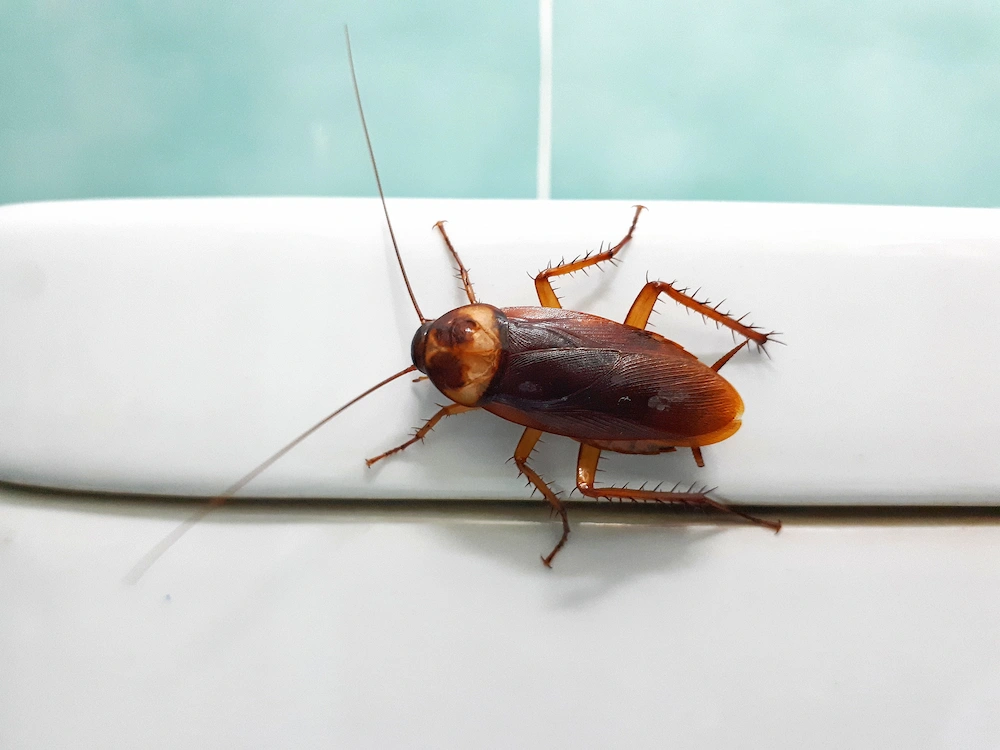
American cockroaches are the kind of pest you do not expect to see in a clean home. They are big, fast, and stubborn. If you spot one in the bathroom or basement, it is tempting to assume you brought it in by accident.
More often, the roach found its own way inside. The trick is figuring out where it came from so you can close the door behind it.
Why American Roaches Show Up Indoors in the First Place

Unlike German roaches, American roaches are not strictly “kitchen cabinet” pests. They do well outdoors, especially in warm, damp places like mulch beds, leaf litter, wood piles, and storm drains. When conditions change outside, they go looking for the closest upgrade: a basement, a crawlspace, or a utility room with steady moisture.
That is why homeowners start noticing American roaches in homes after heavy rain, plumbing issues, or long stretches of humidity. In the St. Louis area, older homes with basements and aging lines can be especially inviting if there is a damp corner that never fully dries out.
American roaches are also excellent hitchhikers within buildings. Once they get into a wall void or mechanical chase, they can follow pipes and wiring to bounce between floors, laundry rooms, and bathrooms.
The Biggest Entry Points American Roaches Use
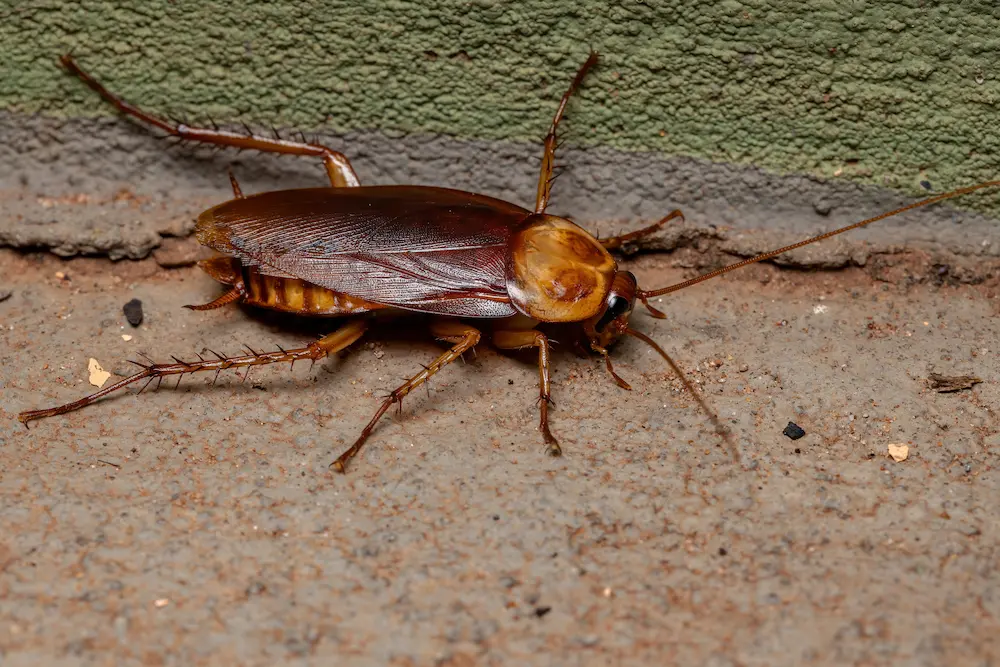
If you are trying to track down where American cockroaches are getting in, think like a roach: stay low, stay hidden, and follow moisture. These pests do not need much space to squeeze through, and they love routes that keep them protected from light and foot traffic.
Here are the most common ways how American roaches get inside, especially in basements and first-floor bathrooms:
- Floor drains, basement drains, and utility sinks
- Gaps around pipe penetrations under sinks and behind toilets
- Cracks in the slab or along the foundation wall
- Loose weather stripping under exterior doors, especially in garages
- Crawlspace vents or missing screens on vents and weep holes
- Sump pits with lids that do not seal tightly
Seeing one roach does not always mean you have a large indoor colony. But it does mean there is a route that needs attention, and the next roach will use it too.
When Plumbing Turns Into a Roach Highway
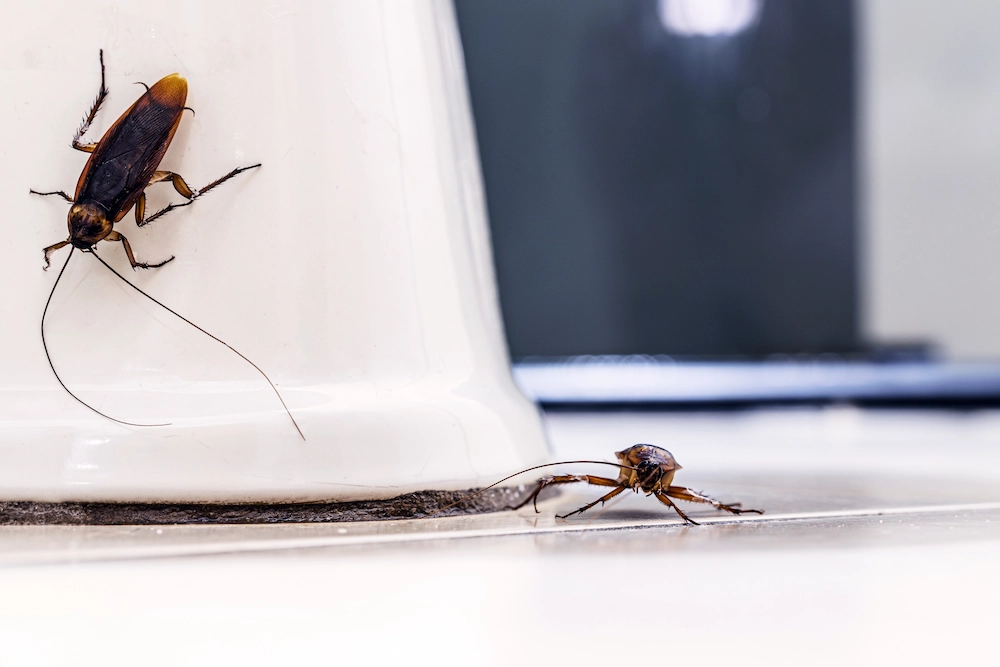
The most frustrating invasions are the ones that feel like they come out of nowhere. One day the bathroom is quiet, and the next you are spotting roaches at night near the tub or laundry area. In many cases, that is roaches entering through plumbing, not a mystery “dirty house” problem.
Roaches can move through pipe systems by following moisture and organic buildup. The path is not always straight up a drain. They may travel along sewer lines, storm connections, or damp pipe chases inside the structure. When a roach appears near a bathroom, it is often because that space offers water, warmth, and hiding spots behind fixtures.
Cockroaches coming from drains is also more likely when drain traps dry out. A P-trap needs water to form a seal. If a basement floor drain is rarely used, the water can evaporate and open a route for pests and odors. The same idea applies to utility sinks and guest bathrooms that sit unused for long stretches.
If you keep getting sightings in the same room, take a closer look at the plumbing edges of that space. Under-sink cabinets, the gap behind the toilet, and the wall opening where the tub plumbing runs are classic hideouts and travel lanes.
What Turns a Few Sightings Into a Bigger Problem
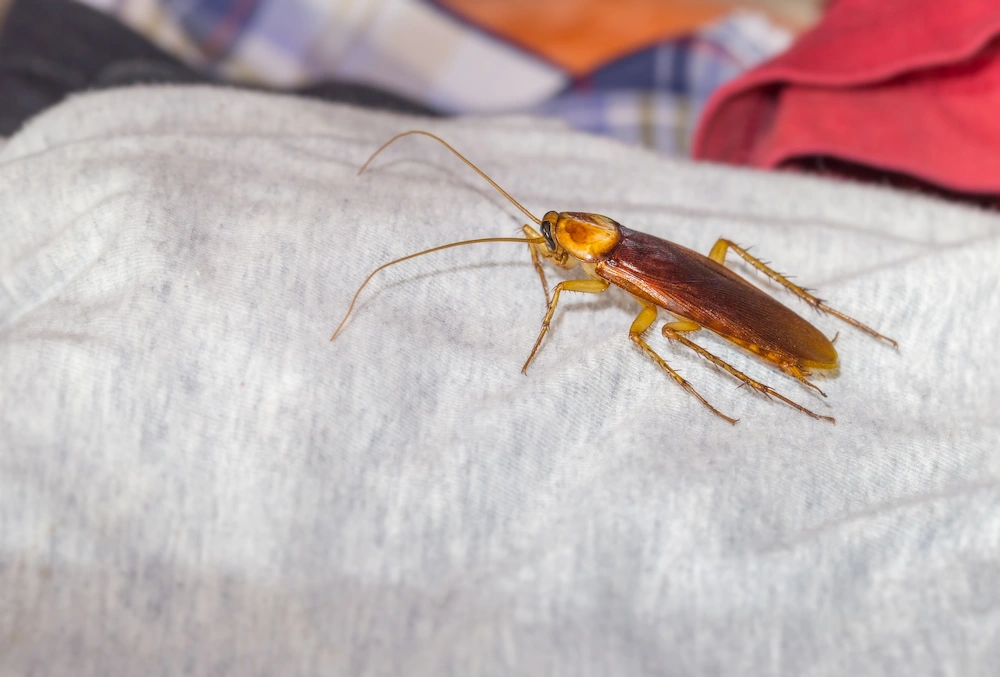
American roaches need three things: moisture, shelter, and something to eat. Food matters, but water is usually the bigger driver. That is why an indoor issue often starts with a small leak, condensation on cold-water lines, or a basement that stays humid.
When we talk about American roach infestation causes, the list is usually less about crumbs and more about conditions. A damp crawlspace, a cluttered storage room, or a loose drain cover can give roaches enough cover to stick around and reproduce. Female American roaches can produce over 200 eggs over their lifetime, so “just one” is not something to ignore.
A few quick fixes can make your home a lot less welcoming:
- Repair drips under sinks, around water heaters, and at washing machine hookups
- Run a dehumidifier in damp basements and keep humidity under control
- Store cardboard and clutter off the floor, especially near plumbing walls
- Refresh dried-out drain traps with water, and consider a trap primer for problem drains
- Replace worn door sweeps and weather stripping on exterior doors
These steps are not complicated, but they work best when you combine them with a real inspection. If you only treat what you can see, you may miss the route that keeps bringing new roaches in.
Keep American Roaches Out With Exclusion and Targeted Treatment
The goal is simple: block access and remove the conditions that make roaches want to stay. Start with sealing gaps around plumbing penetrations with the right materials for the job, then make sure vents and crawlspace openings have intact screens. In basements, a tight-fitting sump lid and properly covered drains can make a noticeable difference.
If the issue keeps popping up, professional help can save you a lot of trial and error. Pointe’s team starts with an inspection to find entry routes, moisture issues, and activity areas, then uses a multi-step plan instead of relying on one spray. If you want help with identification and a plan that fits your home, learn more about Pointe’s cockroach control services.
Roach activity also tends to be local, based on neighborhood infrastructure and nearby moisture. If you are in the metro-east or St. Charles County areas, it can help to work with a team that understands the patterns in your community. Pointe also offers O’Fallon, Missouri roach control for homes dealing with repeat sightings and hidden entry routes.
The sooner you close the entry points and cut the moisture, the faster the problem shrinks. You do not need to live on edge every time you flip on the bathroom light. A solid prevention plan makes American roaches a rare surprise instead of a regular visitor. Contact us for a free quote on our roach control services today!
Citations
Hughson, S. & Russell, H. (2025, May.). American cockroach. Michigan State University: Plant & Pest Diagnostics. Available at https://www.canr.msu.edu/resources/american-cockroach (Accessed on January 8, 2026).