
Summary: This article explains how ants communicate using pheromones and other signals, and how understanding ant communication helps homeowners prevent infestations.
__________________________________________________________________________________________________________________________________
Ants may be tiny, but their colonies function with impressive coordination. From finding food to defending their nest, ants rely on a complex communication system that keeps thousands of individuals working together efficiently.
Understanding how ants communicate helps explain why infestations spread so quickly in homes. Once one ant finds food, the message can travel through the colony within minutes. Most of this communication happens through chemicals called pheromones.
Why Communication is Essential for Ant Colonies
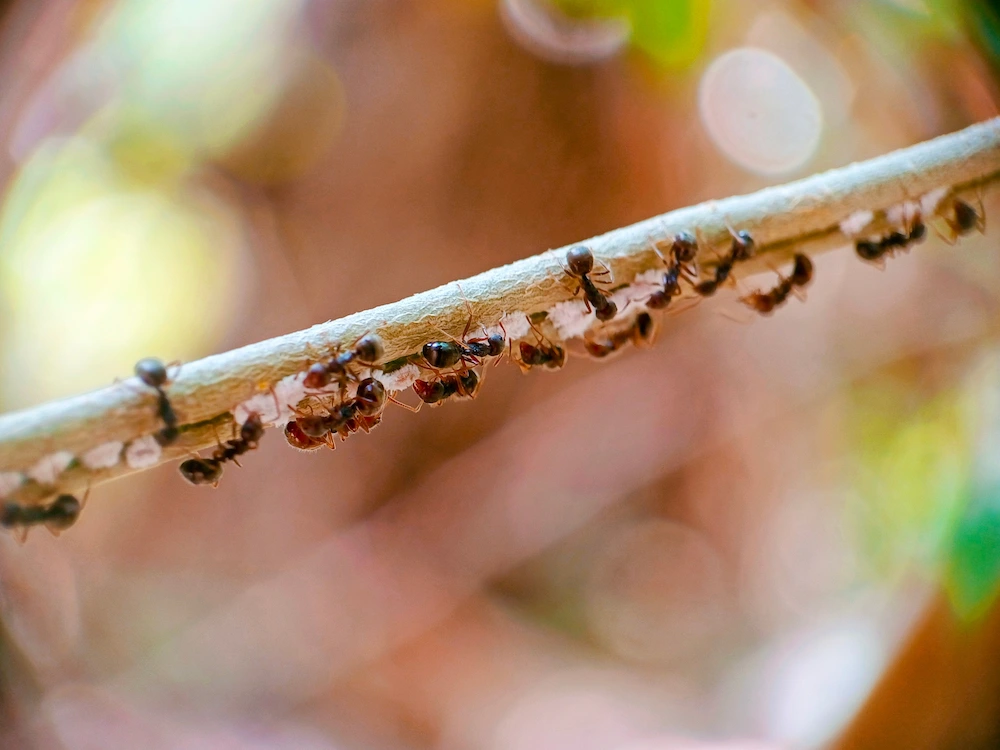
Ant colonies operate almost like a single living organism. Each ant has a role, and communication allows the colony to respond quickly to threats, food sources, and environmental changes. Without constant signals between workers, the colony would struggle to survive.
Researchers studying how ants communicate with each other have discovered that chemical signals guide almost every activity inside a colony. Ants use their antennae to detect these signals and respond instantly. This is why ants often appear to move in organized trails rather than random paths.
Ant Communication Pheromones: The Colony’s Chemical Language
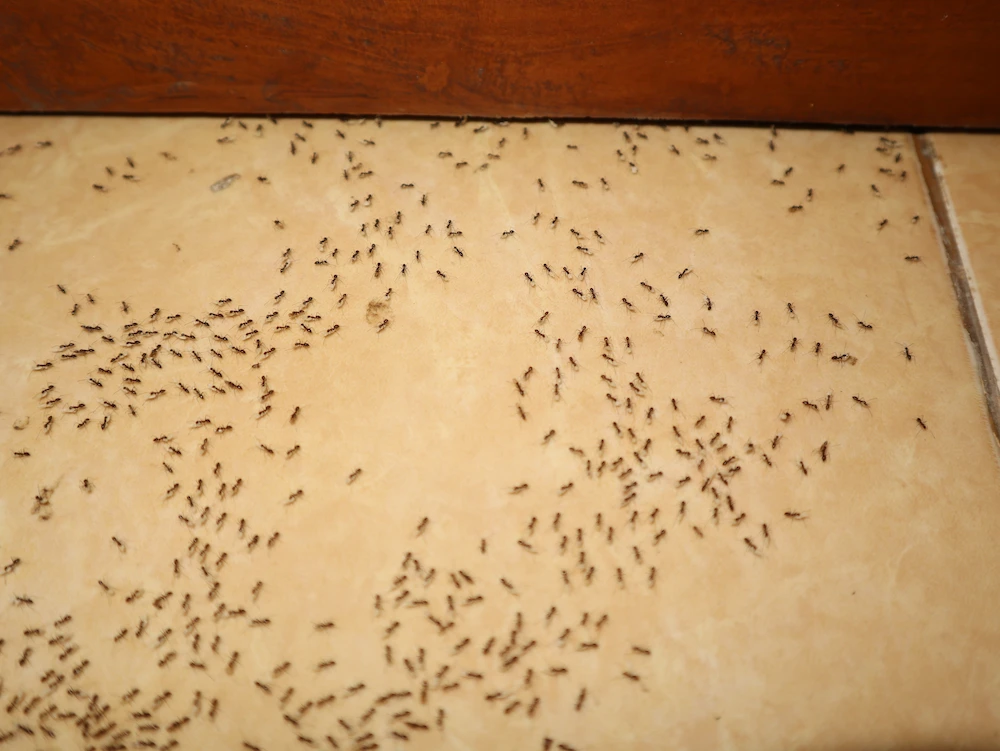
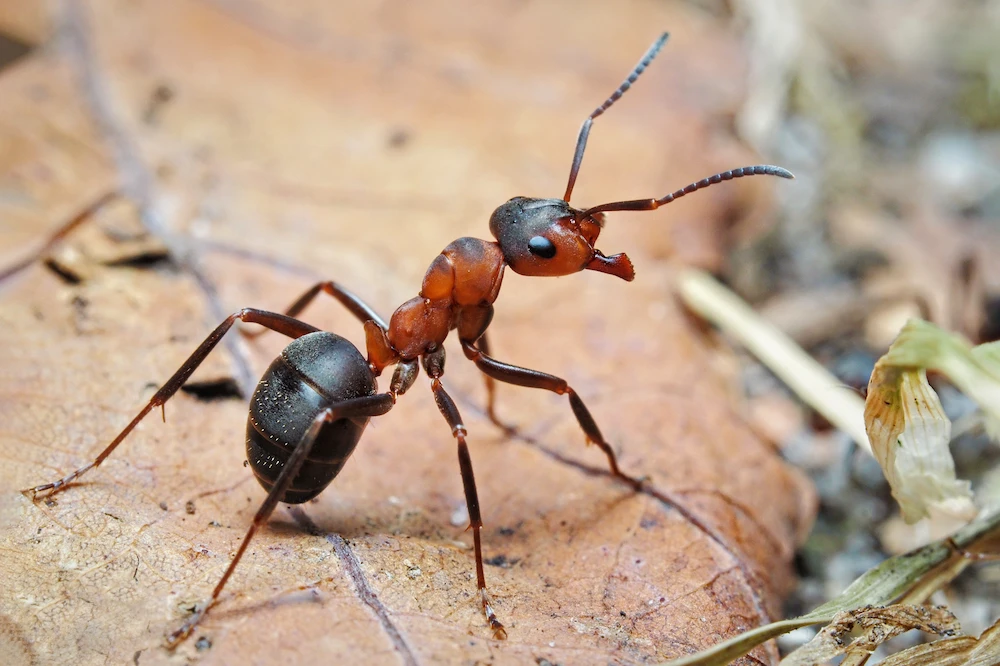
One of the most important ant communication methods involves pheromones. These are chemical signals that ants release from specialized glands in their bodies. When another ant detects the scent with its antennae, it immediately receives information about what action to take.
Ant communication pheromones can signal many things. They can mark food trails, alert the colony to danger, or help ants recognize nestmates. Because these chemicals can linger on surfaces, they create invisible paths that guide other ants to the same destination.
Common Pheromone Signals Ants Use
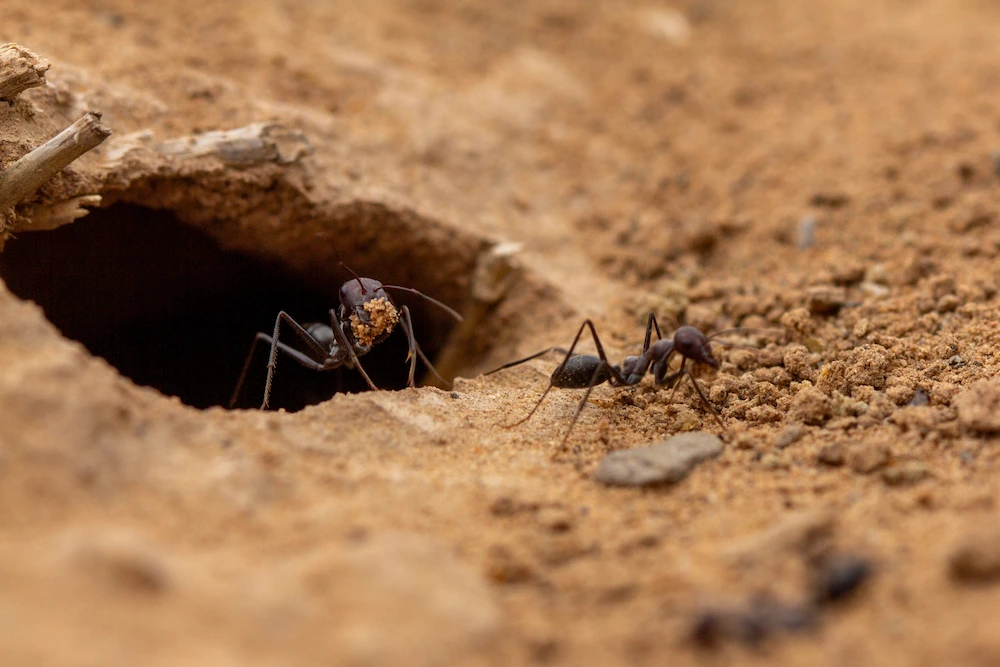
Ant colonies rely on several different pheromone signals to stay organized. Each signal carries a different message for other ants nearby.
- Trail pheromones that guide workers to food sources
- Alarm pheromones that warn the colony about danger
- Colony recognition pheromones that help ants identify nestmates
- Recruitment pheromones that call other ants to help move food or defend the nest
These signals explain how ants talk to each other even though they do not produce sounds like humans do. Their chemical language allows them to coordinate thousands of workers efficiently.
How Ants Use Pheromones to Find Food
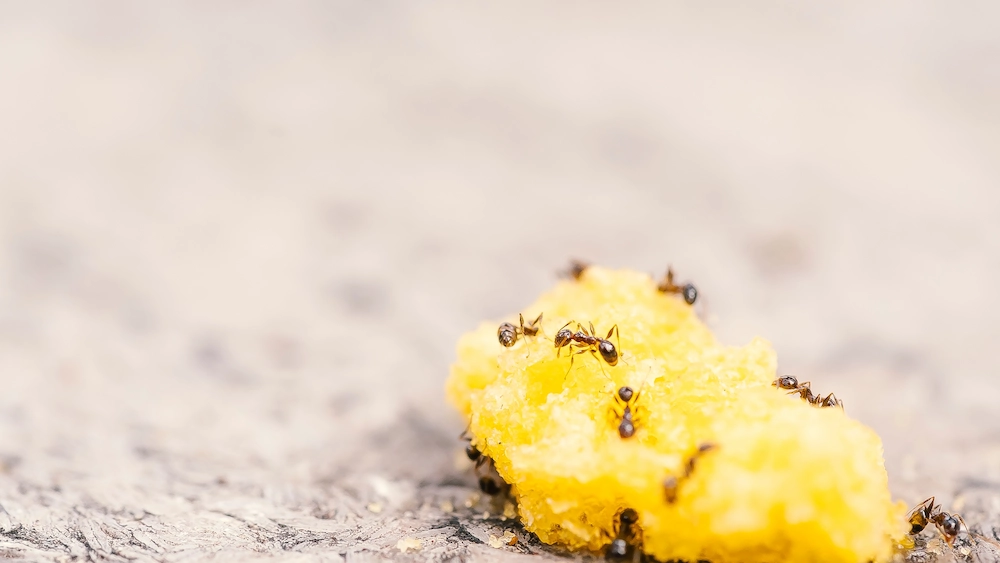
When a worker ant discovers food, it usually does not keep the discovery to itself. Instead, it returns to the colony while releasing a trail pheromone along the path. This trail creates a chemical roadmap that guides other ants back to the same food source.
As more ants travel the route, they reinforce the trail with additional pheromones. The stronger the scent becomes, the more ants will follow it. This process shows how ants use pheromones to efficiently gather resources and feed the entire colony.
How Ants Talk to Each Other Beyond Pheromones
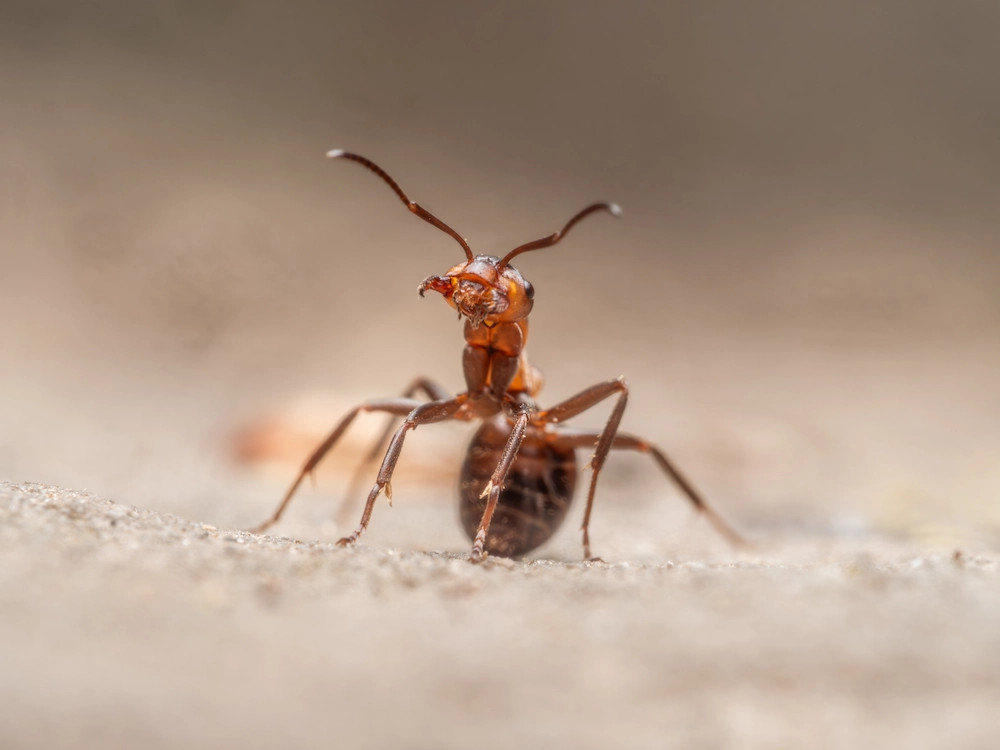
While pheromones are the primary system, ants also rely on other signals to communicate. Touch and body movement play an important role when ants interact closely with each other.
Additional ant communication methods can include:
- Antennae tapping to exchange information
- Physical contact that helps transfer chemical cues
- Vibrations produced by body movement on surfaces
- Food sharing, called trophallaxis, which spreads chemical signals through the colony
Together, these signals create a complex communication network that helps the colony operate smoothly.
Why Understanding Ant Communication Matters for Homeowners
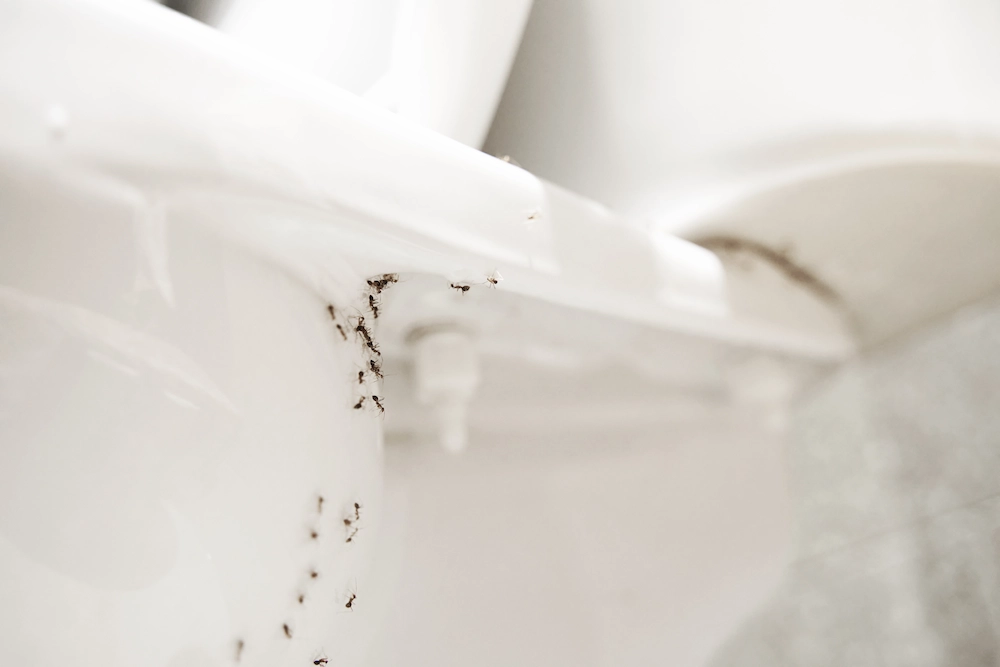
When ants enter a home, their communication system makes infestations difficult to control without proper treatment. Once a food source is discovered, pheromone trails can continue attracting new ants long after the original food is removed.
Professional pest control helps disrupt these chemical trails and target the colony more effectively. Pointe Pest Control offers ant treatment solutions designed to eliminate active colonies and prevent new ones from forming. Learn more about ant treatment services here.
Homeowners can also explore local pest control services in the area here.
Conclusion
Ant colonies rely on an advanced communication system that allows them to function with remarkable efficiency. Through pheromones, touch, and other signals, ants constantly share information that helps them find food, defend their nests, and expand their colonies.
Understanding how ants communicate provides insight into why infestations grow quickly and why professional pest control is often the most effective way to stop them. Contact us for a free quote on our ant services today!
Citations
What are pheromone trails and how do ants use them?. (2022, October 5). Romney Pest Control. Retrieved March 12, 2026, from https://romneypestcontrol.com/what-are-pheromone-trails-and-how-do-ants-use-them/