
Summary: Winter is a strategic time to inspect, seal entry points, and manage indoor pest activity so spring infestations are less likely and easier to control.
____________________________________________________________________________________________________________
When temperatures drop in the St. Louis Metro East and across Eastern Missouri, most homeowners assume pest problems slow down. The truth is, winter is when many pests shift their strategy. Instead of being active outside, they look for stable warmth, shelter, and food indoors.
That is exactly where winter pest control earns its keep. A smart off-season plan helps you avoid surprises now, and it sets your home up for a calmer warm season ahead.
1. Winter Pests Do Not Disappear, They Relocate

Cold weather pushes pests to find protected hiding places. That can mean wall voids, attics, basements, garages, and crawl spaces. Once they settle in, they are harder to notice because activity is quieter and more spread out than a summer swarm.
Rodents are the classic example. A mouse or rat only needs a small gap to get inside, and winter nesting often happens out of sight. The longer they stay, the more they can contaminate storage areas and chew insulation, wiring, or other materials.
Overwintering insects can be an issue, too. Some pests ride out the season in sheltered spots around the home, then become active again when we get a random warm week or the first real stretch of spring weather. When you handle the problem early, you reduce the chance that those hidden guests become a full household problem later.
Signs You Might Have Winter Activity
- Scratching or rustling in walls or ceilings, especially at night
- New droppings in basements, garages, or pantry areas
- Musty odors in storage spaces
- Small grease marks along baseboards or near entry points
2. You Stop Small Entry Points Before They Become Spring Highways

Winter is a great time to inspect and seal the weak spots that pests use. Temperature swings can widen cracks in foundations, gaps around utility lines, and worn weather stripping. Those tiny openings may not look like much, but to pests they are a welcome mat.
Doing the work now helps prevent spring pest infestations, because many warm-weather invaders reuse the same access points once they start foraging again. Think ants traveling along siding lines, or spiders following indoor insect activity.
Just as important, winter inspections tend to be more thorough. You are not competing with peak-season emergencies, and you can take time to address the root cause instead of only treating what you can see.
A Quick Winter Inspection Checklist
- Check door sweeps and weather stripping for daylight gaps
- Seal cracks around pipes, cables, and vents
- Repair torn window screens and damaged soffit vents
- Store pantry goods in airtight containers and clean up crumbs
3. Winter Treatments Create a Buffer for the First Warm-Up
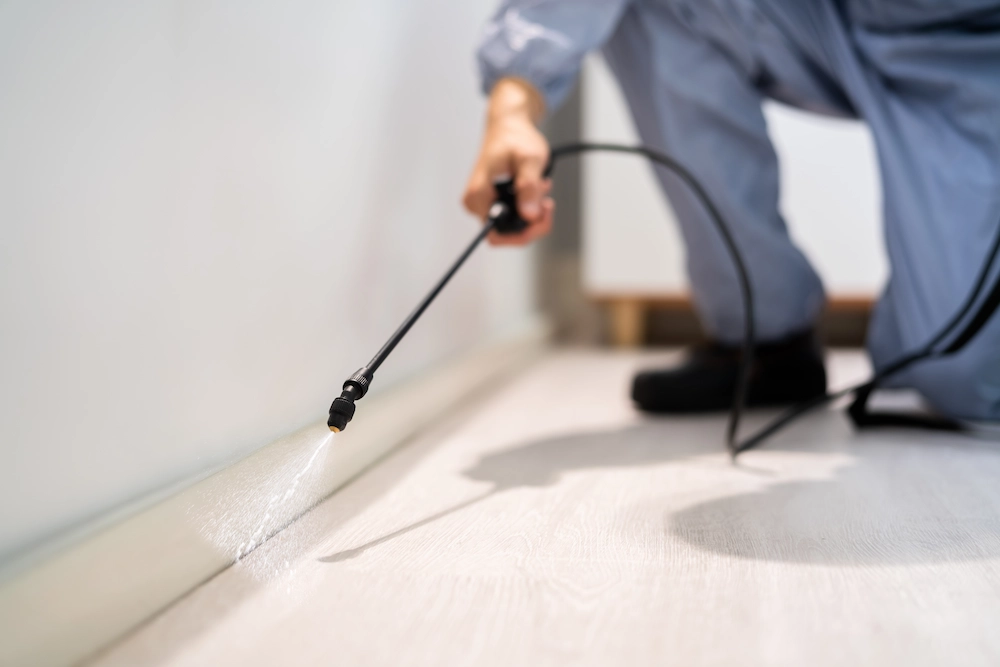
In our region, winter is rarely one steady freeze. We get warm spells that wake pests up. When that happens, they start moving and foraging again, sometimes right inside your home.
This is where year round pest control services really pay off. Off-season treatment keeps pressure on the pests that are already present, so they do not rebound during every mild week. It also helps reduce the number of overwintering insects that can become active the moment spring arrives.
There are also practical scheduling benefits. Winter pest control helps you avoid the bottleneck that hits in spring, when everyone notices ant trails, spider sightings, or rodent activity at the same time. Staying consistent keeps you ahead of the curve.
The Off-Season Advantage
There are real off season pest control benefits beyond stopping a current problem. Your technician can focus on targeted areas, monitor activity, and adjust the plan while pest populations are lower. That approach often leads to smoother results than chasing a full-blown spring surge.
4. You Protect Your Home From Hidden Damage and Contamination
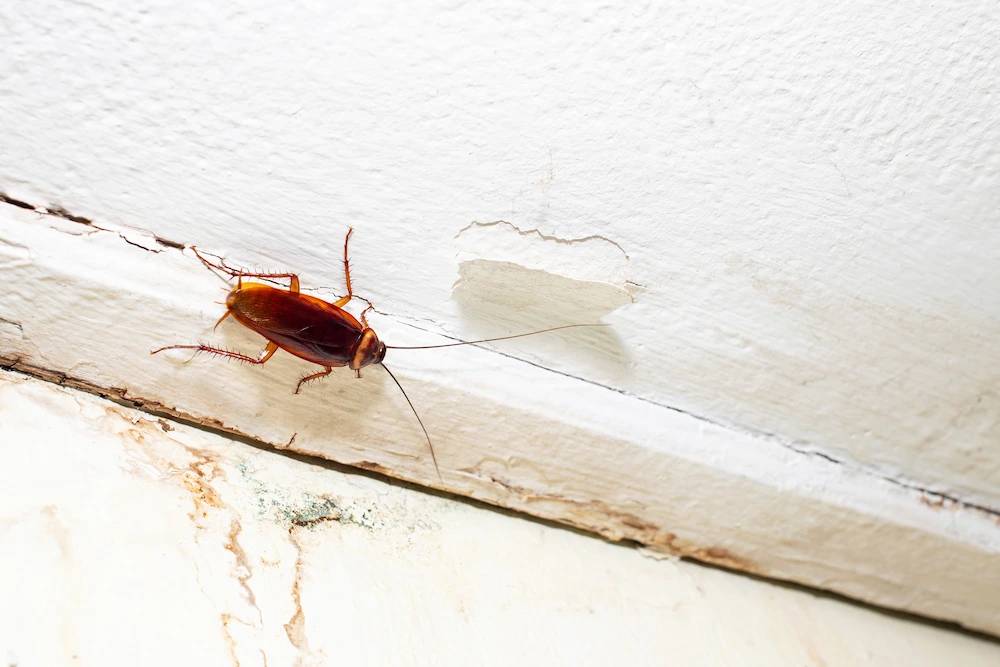
Some winter pests are more than a nuisance. Rodents can contaminate stored items and leave droppings in hidden areas. Cockroaches and other scavengers can spread bacteria as they move through kitchens, bathrooms, and wall voids.
Winter pest control is also about prevention. Catching early signs can limit repairs, reduce cleanup, and keep your home healthier. If you have an attic, basement, or garage that does not get much foot traffic, those are prime zones for winter activity.
Consistent visits also help you track patterns. Maybe you notice the same corner of the basement stays damp, or the same garage door seal is letting in drafts. Those little details matter, because pests are very good at taking advantage of small, repeatable opportunities.
If you want consistent protection through every season, start with Pointe’s residential pest control services.
5. You Get Ahead of Spring with a Plan, Not a Panic Call

Spring is busy for pests and for homeowners. As temperatures rise, insects and rodents expand activity, and that is when people often notice problems for the first time. The goal in winter is to prepare for spring pest activity so you are not reacting to an infestation after it has gained momentum.
When you stay proactive, spring appointments are more about maintenance than emergency response. You also get time to handle practical fixes like sealing entry points or reducing moisture issues before the rush of warm weather.
This is also the simplest explanation for why winter pest control is important. You are not just paying for a spray in January. You are paying for fewer surprises in March and April, and for a home that stays more comfortable all year.
If you are unsure where to start, request a free quote from Pointe Pest Control and ask about a winter service plan that fits your home.
Winter Pest Control is Worth It in the Long Run
The top takeaway is simple: winter is when pests sneak inside, and spring is when they multiply and spread. Treating and inspecting now helps you cut off shelter and food sources before the busy season hits.
A solid winter visit is usually a mix of observation and prevention. That can include checking common entry points, looking for signs of nesting or indoor foraging, and recommending simple home fixes that remove shelter and moisture. When needed, targeted treatments can be applied in the areas where pests are active, not just where they are easy to see.
Pointe Pest Control serves homes across Western Illinois and Eastern Missouri with a practical, seasonal approach that focuses on long-term prevention. If you want a quieter spring and a more comfortable home year-round, winter pest control is the right move to make before the warm weather rush. Pointe’s experienced technicians are dedicated to keeping your home pest-free all year long!
Citations
The keys to winter pest-proofing. (n.d.). Pest World. Retrieved January 12, 2026, from https://www.pestworld.org/news-hub/pest-articles/the-keys-to-winter-pest-proofing