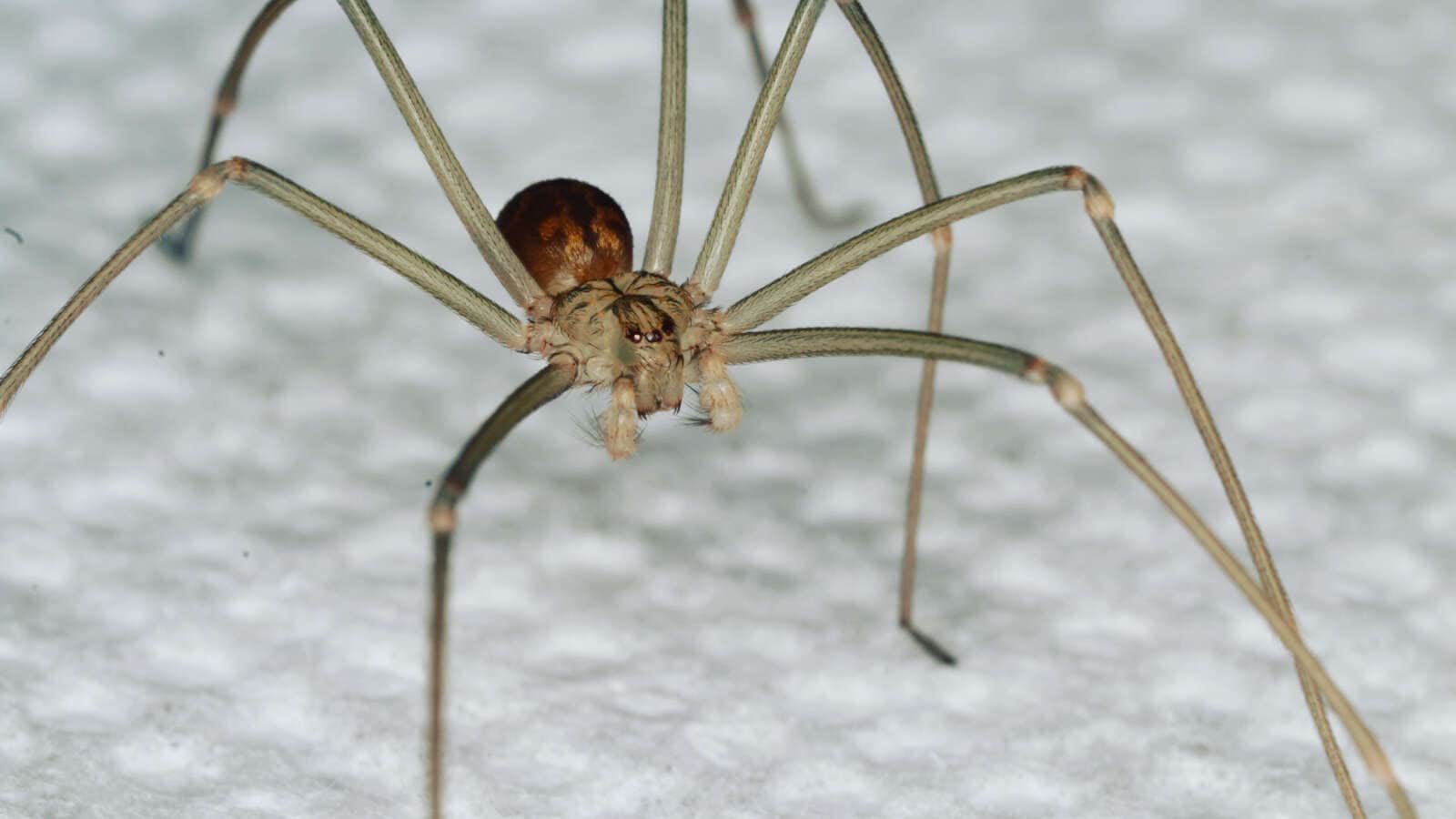

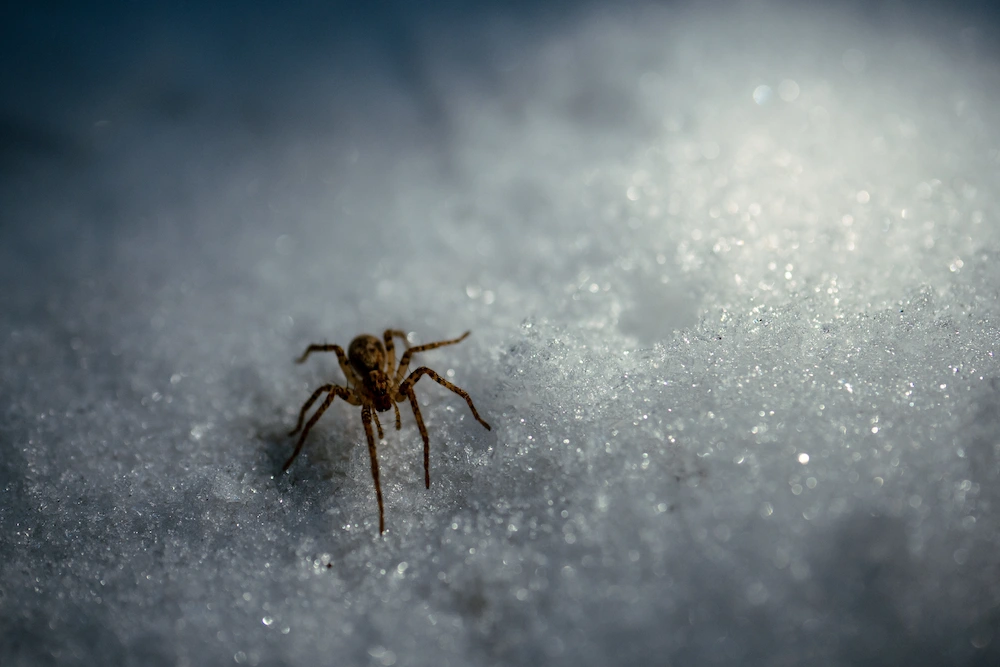
Summary: This post explains how spiders make it through cold weather, where they hide, and why winter spider sightings happen indoors, plus practical prevention steps for St. Louis area homes.
__________________________________________________________________________________________________________________________________
When winter hits the St. Louis area, it can feel like everything outside slows down. Trees go bare, insects disappear, and we spend more time indoors. So why do spiders suddenly seem more noticeable in basements, garages, and quiet corners of the house?
If you have been wondering what spiders do in the winter, the answer is a mix of hiding, slowing down, and taking advantage of sheltered spots. Some stay outdoors in protected places, while others do just fine indoors where temperatures stay steady.
Spiders Do Not Truly Hibernate, But They Do Slow Down
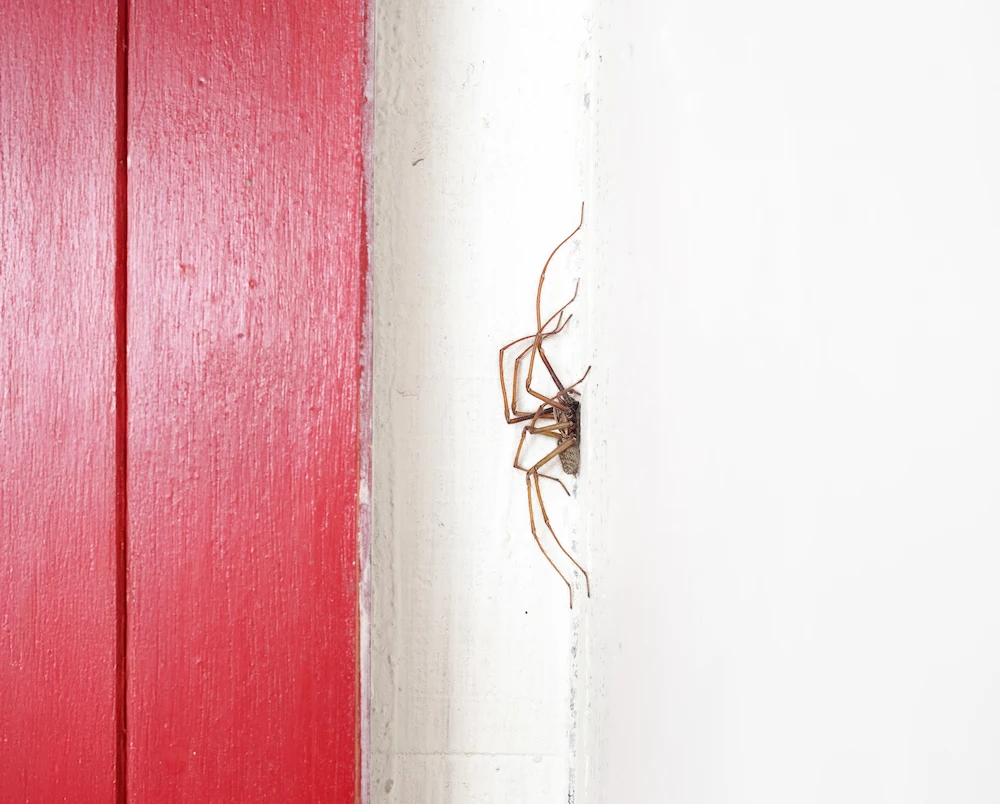
A lot of homeowners ask, do spiders hibernate in winter. Most spiders do not hibernate the same way mammals do, but many enter a dormant state called diapause, where their activity and development slow until conditions improve.
That slowdown helps them conserve energy when it is cold and prey is harder to find. Some species can stay somewhat active on warmer winter days, and indoor spiders may keep moving simply because your home stays heated.
It also explains why winter sightings can feel random. A spider might not be “moving in” so much as it is already tucked away and finally makes a short trip for water, food, or a better hiding spot. In other words, cold weather does not create spiders, it just changes where we notice them.
Where Spiders Go During Winter Around Your Home

In nature, many spiders tuck themselves into protected micro-spaces like leaf litter, under bark, inside woodpiles, or in rock crevices. Those places buffer them from wind and temperature swings and help prevent fatal freezing.
Around homes, the same instincts apply. When you think about where spiders go during winter, picture any spot that is dark, quiet, and rarely disturbed. That is why spider sightings often cluster in storage areas and along foundation walls.
Some spiders overwinter as eggs, which means the spider problem you notice later may have started months earlier. Egg sacs can be tucked behind furniture, inside wall voids, or in clutter you have not moved since fall.
- Basements and crawl spaces, especially near sump pits or damp corners
- Garages and sheds, particularly behind stored items and along exterior walls
- Attics, wall voids, and utility rooms where insects and warmth may overlap
- Woodpiles, stacks of cardboard, and cluttered storage corners
How Spiders Survive Winter Outdoors

Even when it feels brutally cold, spiders have a few survival tricks. Many overwinter as eggs or young spiders tucked inside protected sacs or silk retreats, and some adults make it through by staying sheltered and inactive.
For how spiders survive winter, the biggest advantages are reducing movement, conserving body energy, and avoiding exposure. Some species also produce natural cryoprotectants, which work like an antifreeze and help reduce cell damage when temperatures drop.
A key point is that winter survival often comes down to location more than toughness. A spider in a sheltered pile of leaves is dealing with a very different set of conditions than one out in open air and wind. That is why yard cleanup and where you store firewood can influence what ends up near the house.
Why You Still See Spiders Indoors in Winter
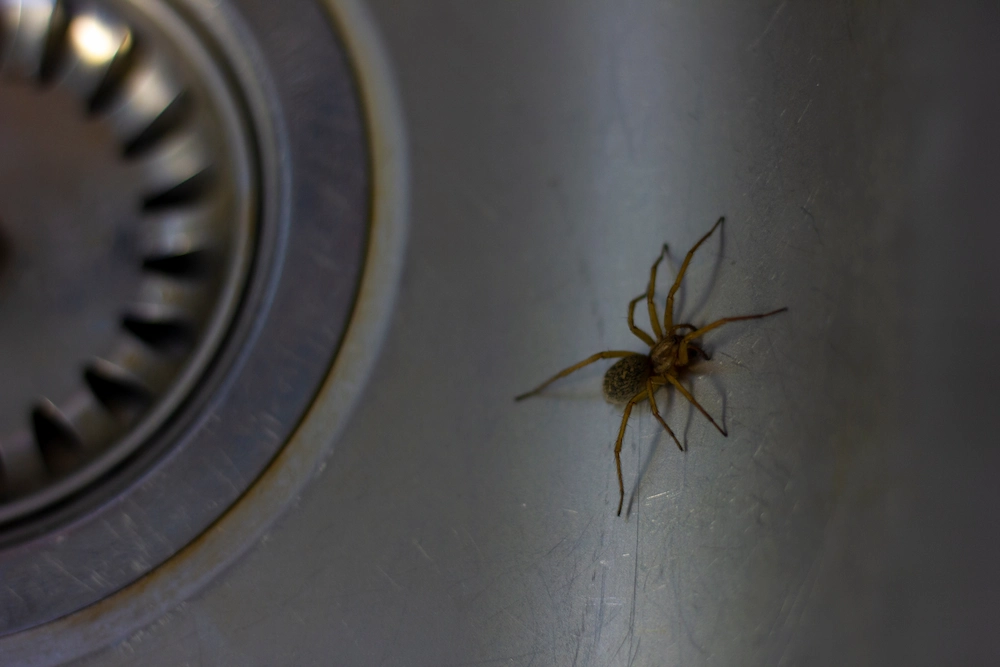
It is common to notice spiders in winter, especially after the first big cold snaps. That does not always mean an infestation is growing. Often, it means spiders were already nearby and are now easier to spot because they are funneled into fewer warm, sheltered areas.
Another big factor is food. Spiders follow insects. If other pests are active indoors, spiders can stick around because the pantry, basement, and laundry area still provide an occasional meal, even in the middle of winter.
This is also why sealing your home matters. Tiny gaps around utility lines, doors, and window frames can let insects inside first, and spiders may follow. Fixing the entry point and reducing indoor bug activity usually helps spider activity calm down, too.
A quick note about webs and “activity”
Less movement does not always mean fewer webs. Some spiders remain in place for long stretches and rebuild only when they need to, while others wander to find a better hiding spot.
That variety is part of the winter behavior of spiders, and it is why different homes see different patterns. One household may only see a few web builders, while another sees wandering hunters that rarely make obvious webs.
When Winter Spiders Are More Than a Nuisance
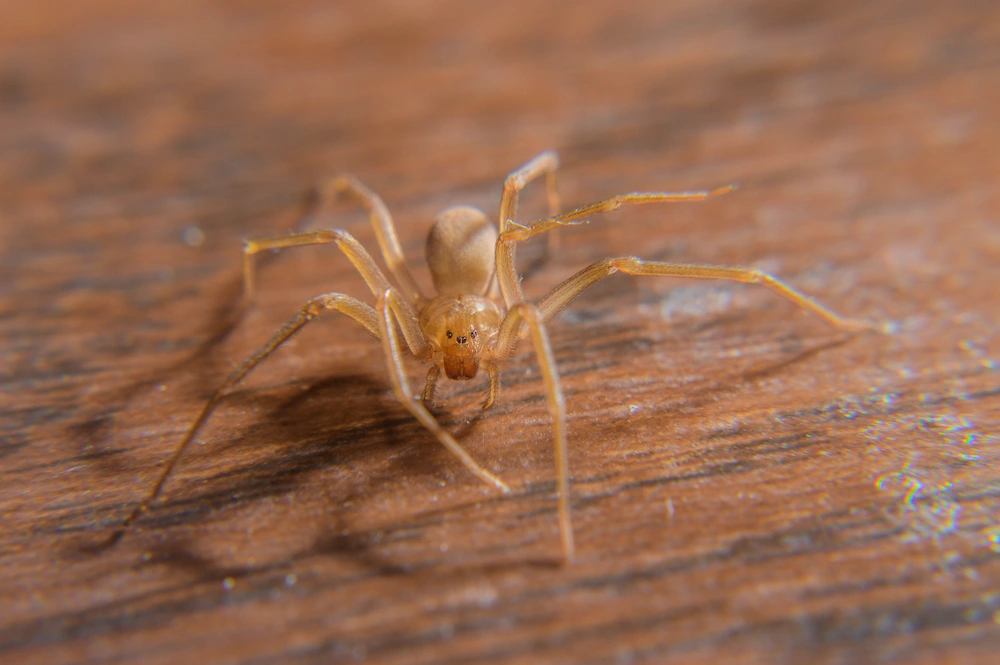
Most spiders want nothing to do with people, and a single sighting is usually just that: a single spider. The bigger concern is when you are seeing spiders repeatedly in the same rooms, or when the spiders are showing up where kids and pets play.
In Missouri and Illinois, two spiders get talked about the most: brown recluse spiders and black widows. Neither one is looking for a fight, but both can bite if they are trapped against skin, like inside a shoe, glove, folded blanket, or a pile of stored clothing.
If you are unsure what you are seeing, focus on safety first. Shake out stored items before wearing them, wear gloves when moving boxes or firewood, and avoid reaching into dark corners where you cannot see. If a bite happens and symptoms concern you, seek medical attention right away.
Practical Winter Prevention That Actually Helps
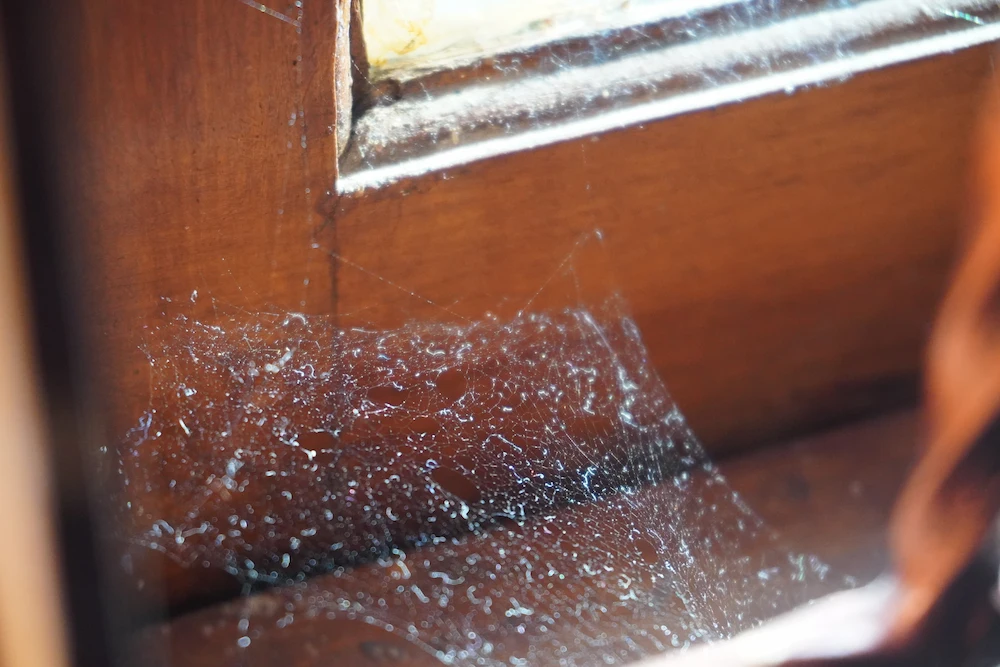
If you want fewer spider surprises, focus on making your home less inviting to both spiders and the insects they hunt. Winter is also a great time to tackle the quiet, overlooked areas that become spider hideouts because you are not competing with summer humidity and heavy outdoor pest pressure.
Start with easy changes you can keep up with. Regular vacuuming in corners, removing clutter from floors, and storing items in sealed plastic bins can reduce hiding spots without turning your weekend into a massive project.
Professional help can make a big difference when spiders keep returning. If you are dealing with recurring sightings, Pointe’s team can inspect entry points, identify likely harborage areas, and recommend a plan that fits your home. Learn more about our spider control services.
- Seal gaps around doors, windows, and utility lines, especially near the foundation
- Reduce clutter in basements, garages, and storage rooms so spiders have fewer hiding spots
- Knock down webs and egg sacs when you find them, and vacuum corners regularly
- Address moisture issues like leaks or condensation that attract insects
Pointe Knows What Spiders Do in the Winter
If you want a second set of eyes on your home before spring ramps up, reach out to our team any time through our contact page. A targeted winter inspection can help you get ahead of pests now, so you are not dealing with a bigger spider problem when warmer weather returns. Even itsy-bitsy spiders are no match for Pointe!
Citations
What happens to spiders in the winter? Learn how these pests survive. (2022, February 11). Romney Pest Control. Retrieved December 22, 2025, from https://romneypestcontrol.com/what-happens-to-spiders-in-the-winter/