
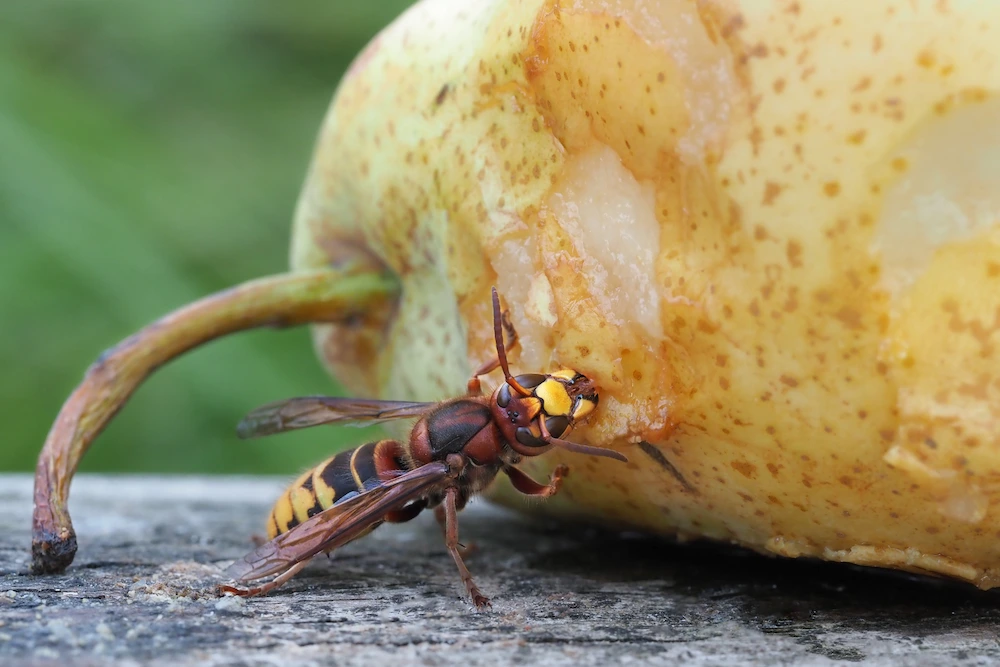
Summary: This article explains what different types of wasps eat, how their diets vary by species, and why understanding their feeding habits can help homeowners reduce wasp activity.
__________________________________________________________________________________________________________________________________
Garages are one of the most overlooked areas when it comes to pest prevention. While homeowners often focus on kitchens and Wasps often have a bad reputation because of their painful stings, but many species play an important role in the environment. Depending on the type of wasp, their diet can include insects, nectar, fruit, and even sugary human foods. Understanding what different types of wasps eat helps homeowners better understand why wasps are attracted to certain areas around the home.
While adult wasps often feed on sweet foods, many species also hunt insects to feed their developing young. This makes some wasps beneficial because they naturally help control garden pests.
Why Wasp Diets Vary by Species
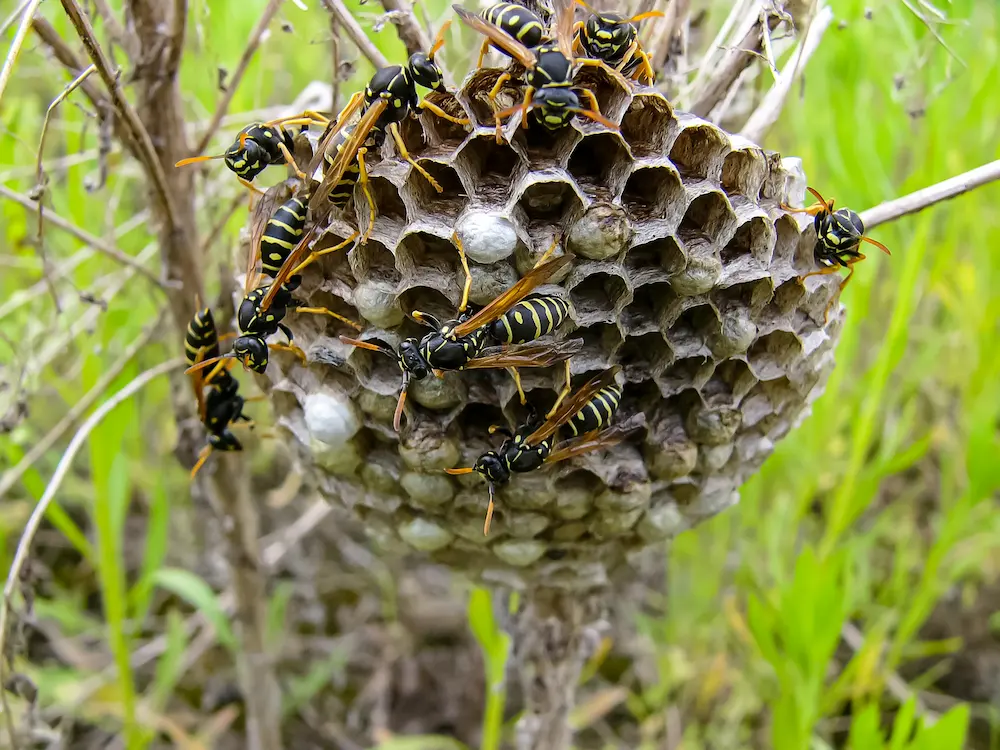
Not all wasps eat the same foods. Their diet depends on the species, the season, and whether they are feeding themselves or their larvae.
Adult wasps generally prefer sugary foods that provide quick energy for flying and building nests. Their larvae, however, require protein for growth, so worker wasps spend much of their time hunting insects to bring back to the nest.
Paper Wasps
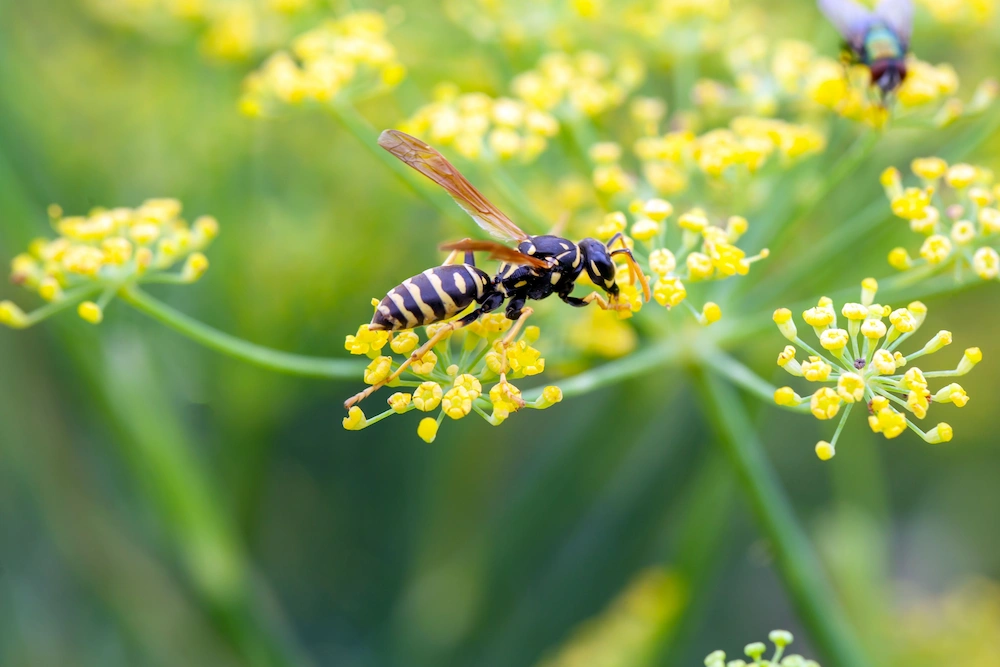
Paper wasps are common throughout Missouri and are frequently seen building umbrella-shaped nests beneath eaves, porches, and decks.
Adult paper wasps feed primarily on nectar, honeydew produced by aphids, and other sugary liquids. However, they also hunt caterpillars, flies, and other soft-bodied insects to feed their young.
Because they help reduce populations of garden pests, paper wasps can provide some ecological benefits when nests are located away from people.
Yellowjackets
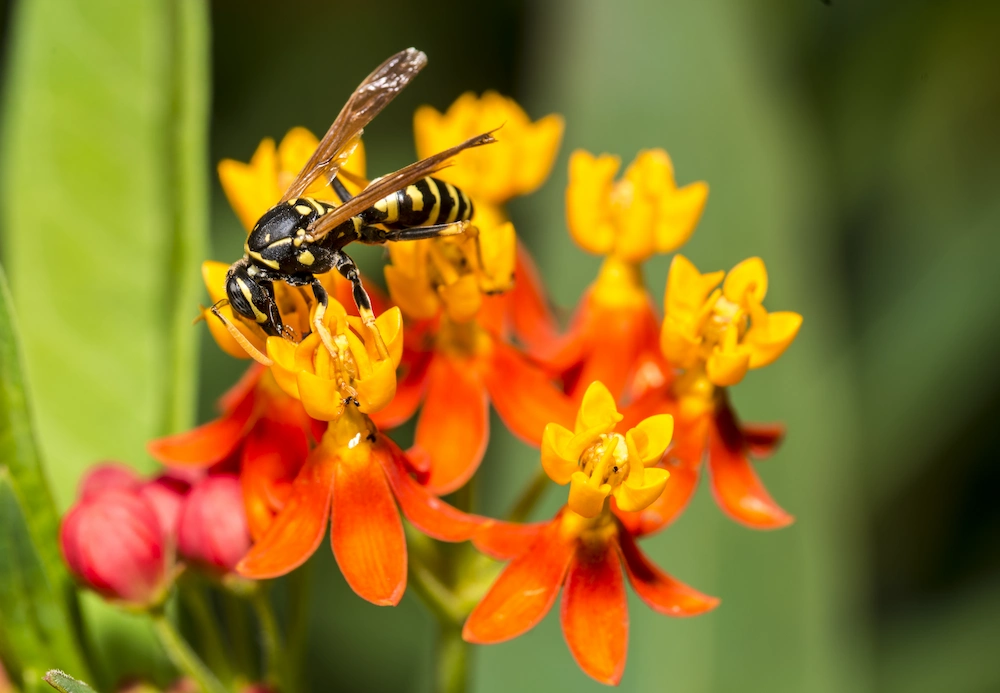
Yellowjackets are among the most aggressive wasp species homeowners encounter. They have a varied diet that changes throughout the season.
During spring and summer, yellowjackets hunt insects such as flies, caterpillars, and spiders to feed developing larvae. Later in the season, they become much more interested in sugary foods, including:
- Fruit and fruit juice
- Soft drinks and sports drinks
- Candy and desserts
- Picnic and barbecue foods
This seasonal shift explains why yellowjackets often become a nuisance during late summer outdoor gatherings.
Mud Daubers

Mud daubers are solitary wasps that rarely become aggressive toward people. Unlike social wasps, they build individual mud nests instead of living in large colonies.
Mud daubers primarily hunt spiders, including orb-weavers and sometimes even black widow spiders. They paralyze the spiders and place them inside their mud nests as food for developing larvae.
Adult mud daubers usually feed on nectar and plant juices rather than insects.
Hornets

Hornets are actually a type of wasp and have diets similar to yellowjackets. They consume sugary foods for energy while hunting insects to feed their young.
Hornets commonly prey on:
- Flies
- Caterpillars
- Grasshoppers
- Bees and other insects
Although hornets help reduce insect populations, they become defensive if their nests are disturbed.
Why Wasps are Attracted to Your Yard
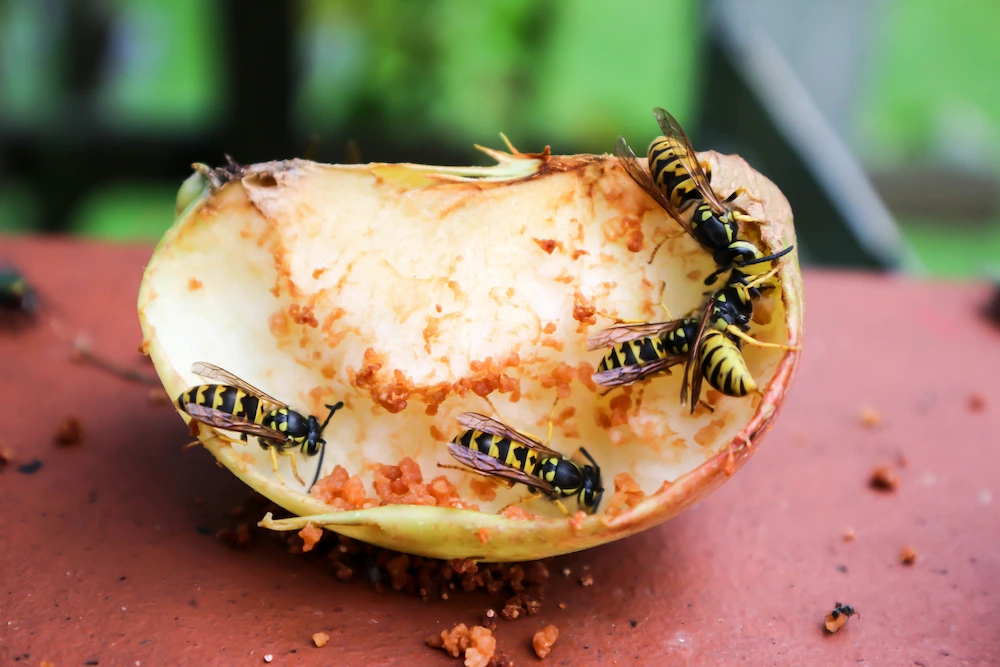
Food is one of the biggest reasons wasps visit residential properties. Flowering plants provide nectar, while gardens attract insects that many wasp species hunt.
Outdoor trash cans, fallen fruit, sugary drinks, pet food, and uncovered garbage also attract wasps searching for easy food sources.
As summer progresses into fall, natural nectar sources become less available, causing many wasps to seek sugary foods around patios, outdoor dining areas, and backyard gatherings.
How to Reduce Food Sources that Attract Wasps

You cannot eliminate every food source, but reducing attractants around your property can help discourage wasps from staying nearby.
Helpful prevention tips include:
- Keep trash cans tightly sealed
- Clean outdoor grills after use
- Remove fallen fruit from the yard
- Cover food and drinks during outdoor gatherings
Regular inspections around your home can also help identify small nests before they become larger colonies.
When Professional Wasp Control is Recommended
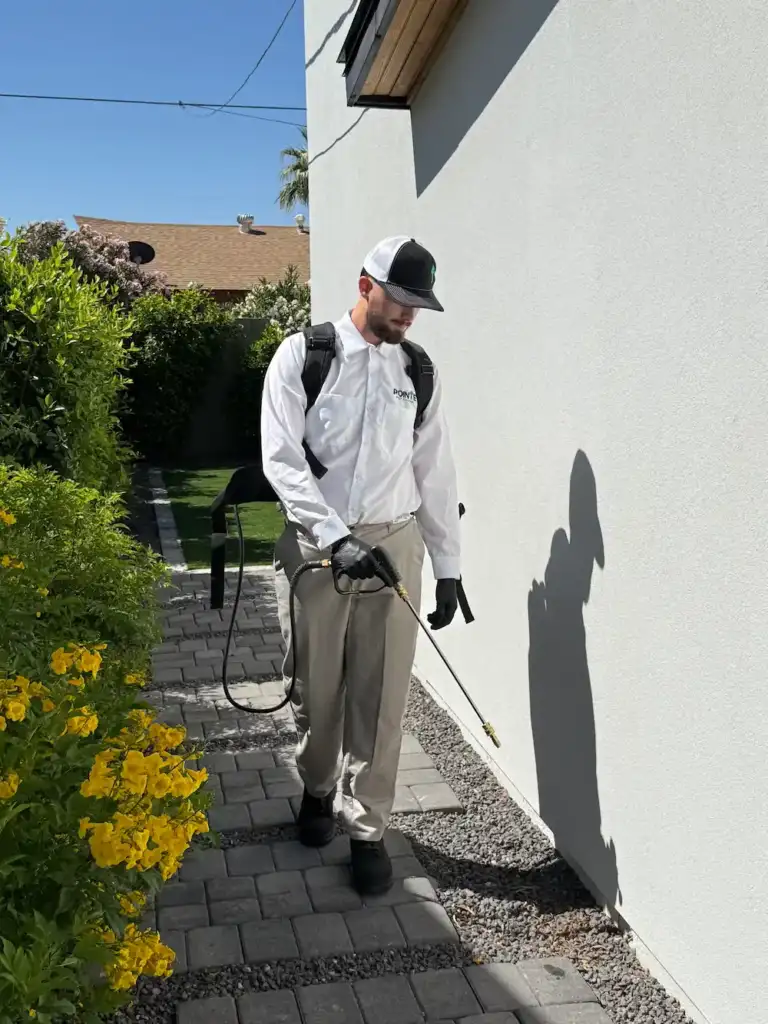
While some solitary wasps are relatively harmless, social wasps such as yellowjackets and hornets can become dangerous if nests are located near entryways, decks, or play areas.
Professional removal is the safest option for active nests because disturbing them can trigger defensive swarming behavior. Pointe Pest Control offers professional wasp control services to safely remove nests and reduce future wasp activity.
Homeowners can also learn more about St. Louis pest control services that provide protection against wasps and other seasonal pests.
Conclusion
Different wasp species have different diets, but most rely on both sugary foods and insects during various stages of their life cycle. While many wasps help control garden pests, they can become a nuisance when they build nests close to homes.
Understanding what different types of wasps eat helps homeowners reduce food attractants, recognize wasp activity, and take steps to keep outdoor spaces safer throughout the warmer months. Contact us for a free quote on our safe, efficient wasp control services today!
Citations
Lee, K., Hahn, J., Jesse, L., & Liesch, P. (2025). Wasps and bees. University of Minnesota Extension. Available at https://extension.umn.edu/yard-and-garden-insects/wasps-and-bees (Accessed on July 20, 2026).