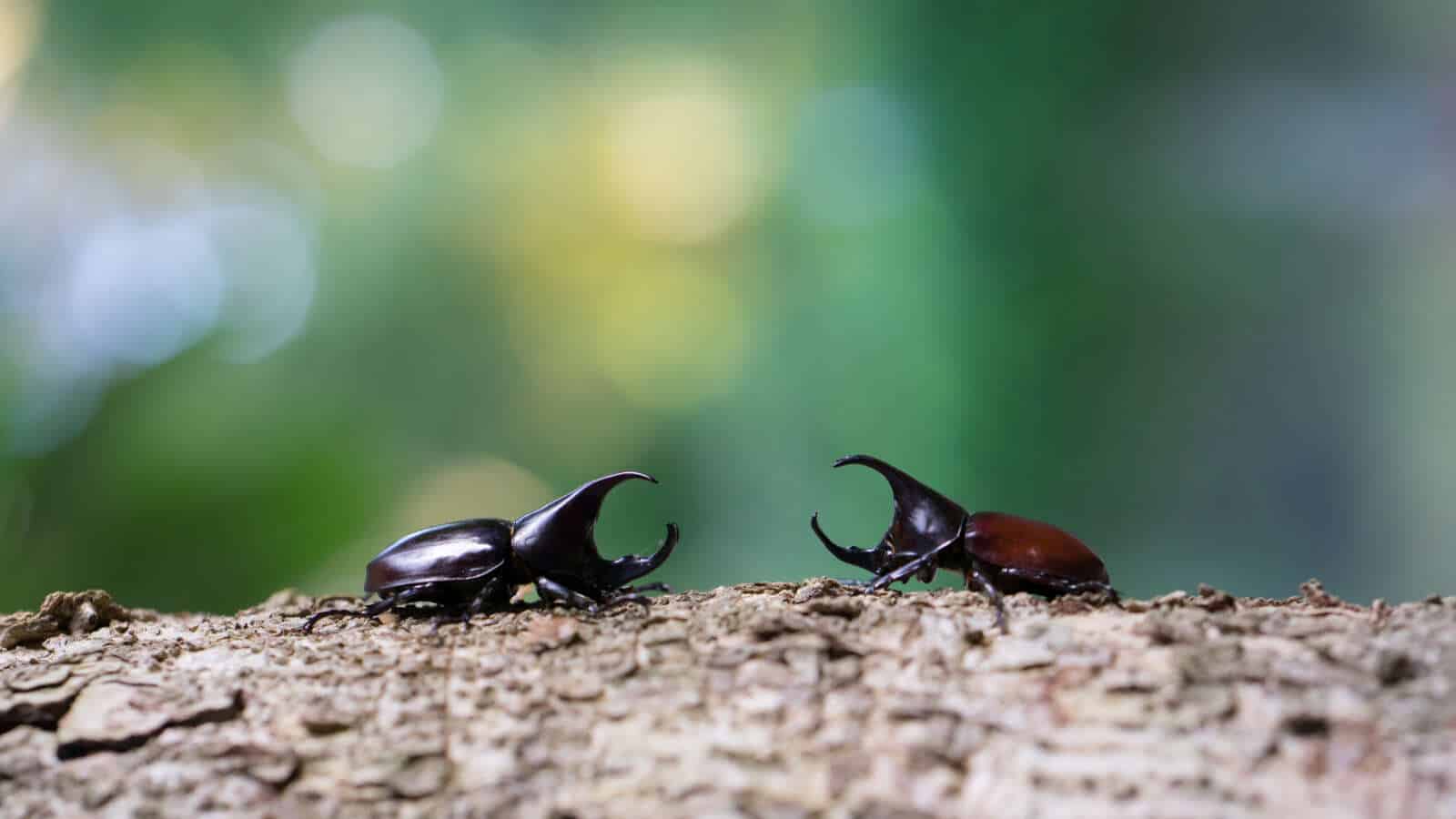

Summary: This guide explains how to identify common pests in St. Louis, highlighting the differences between termites, ants, rodents, mosquitoes, cockroaches, and other household pests.
__________________________________________________________________________________________________________________________________
Pests come in many shapes and sizes, and some can look surprisingly similar at first glance. Knowing what type of pest you are dealing with is one of the first steps toward effective treatment and prevention. Understanding how to identify common pests in St. Louis can help homeowners respond quickly before minor pest problems become larger infestations.
The St. Louis area experiences a variety of seasonal pest pressures throughout the year. From ants and termites to rodents and mosquitoes, different pests leave different signs that can help you determine what is active around your home.
What Pests are Common in St. Louis, Missouri?
The Midwest climate creates ideal conditions for many insects and rodents. Warm summers, changing seasons, and periods of high humidity support a wide range of pest activity throughout the year.
Some of the most common St. Louis pests include:
- Ants
- Termites
- Mosquitoes
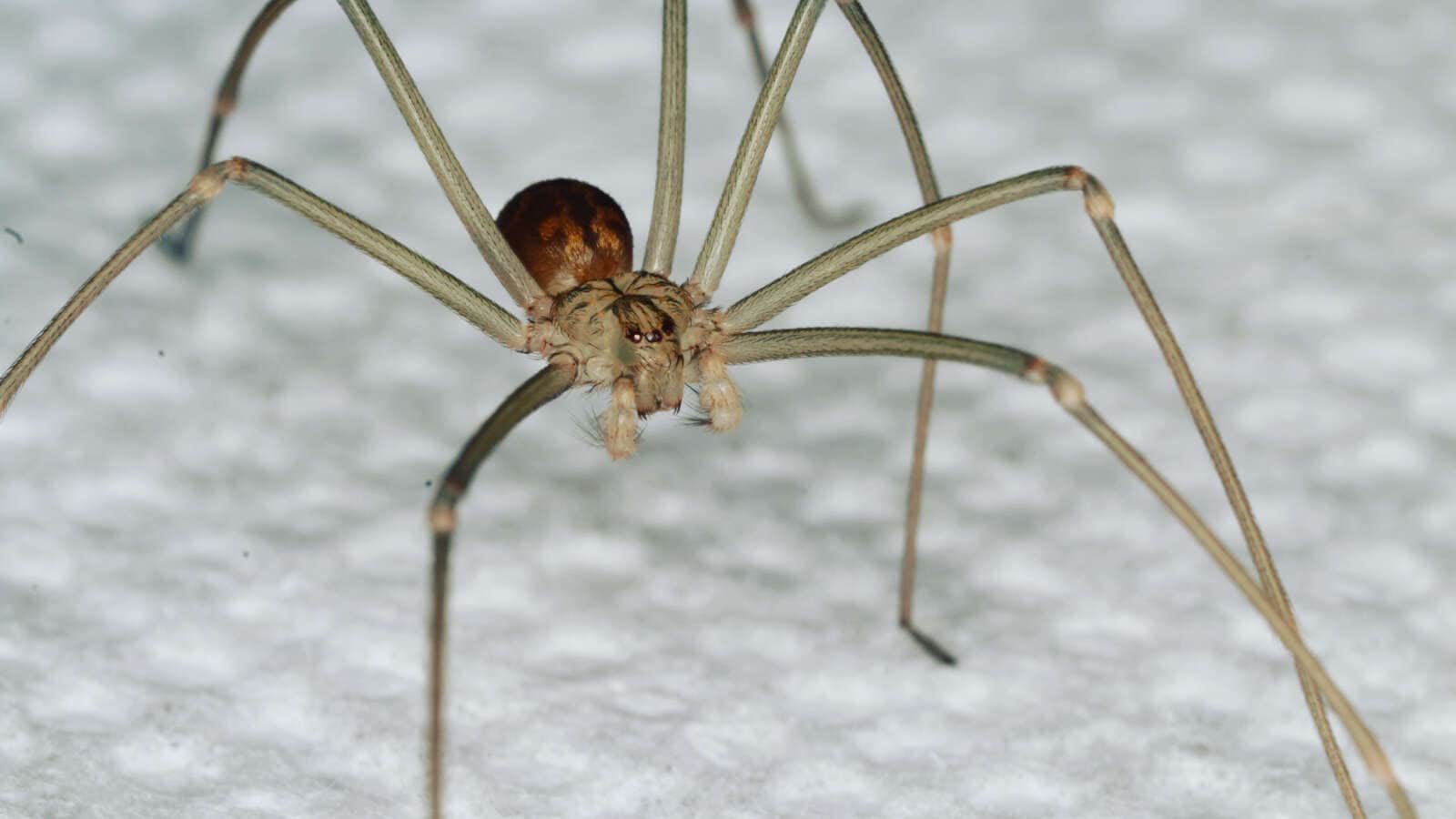
- Spiders
- Cockroaches
- Rodents such as mice and rats
- Wasps and hornets
While these pests are common throughout the region, each one behaves differently and leaves unique signs of activity.
How to Identify Ants

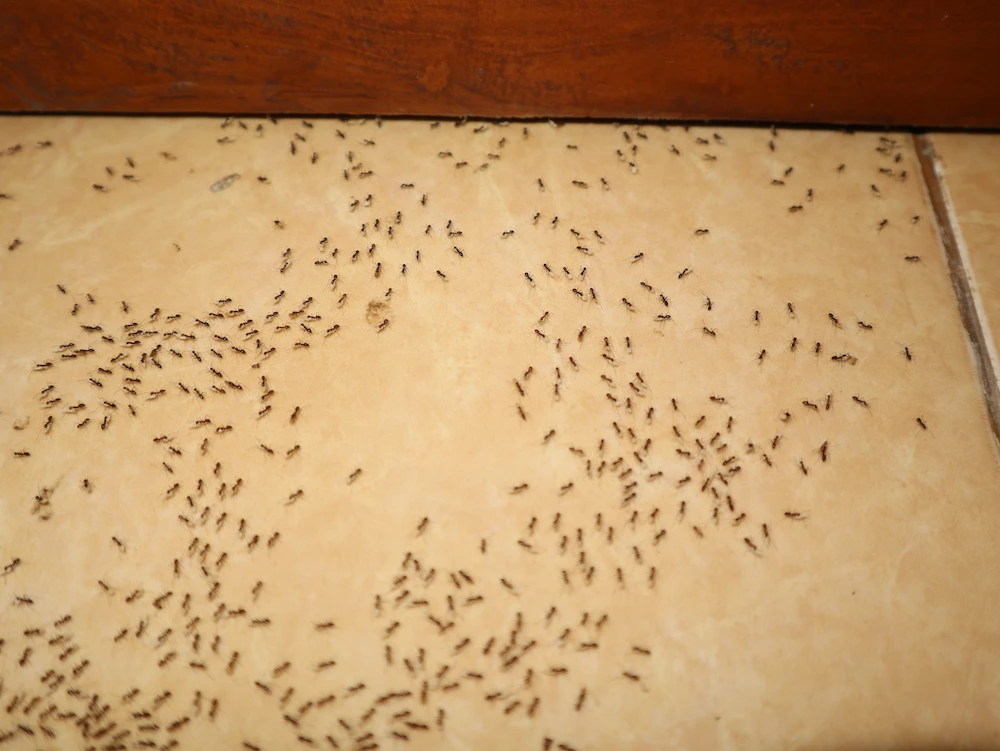
Ants are among the most frequently encountered types of pests in St. Louis homes. Most ants have segmented bodies, elbowed antennae, and narrow waists.
Homeowners often notice ants traveling in organized trails as they search for food. Carpenter ants tend to be larger than many other species and may be found near moisture-damaged wood. Smaller pavement ants are commonly seen around foundations, sidewalks, and kitchens.
Because different ant species require different treatment approaches, proper identification is important before beginning control efforts.
How to Identify Termites
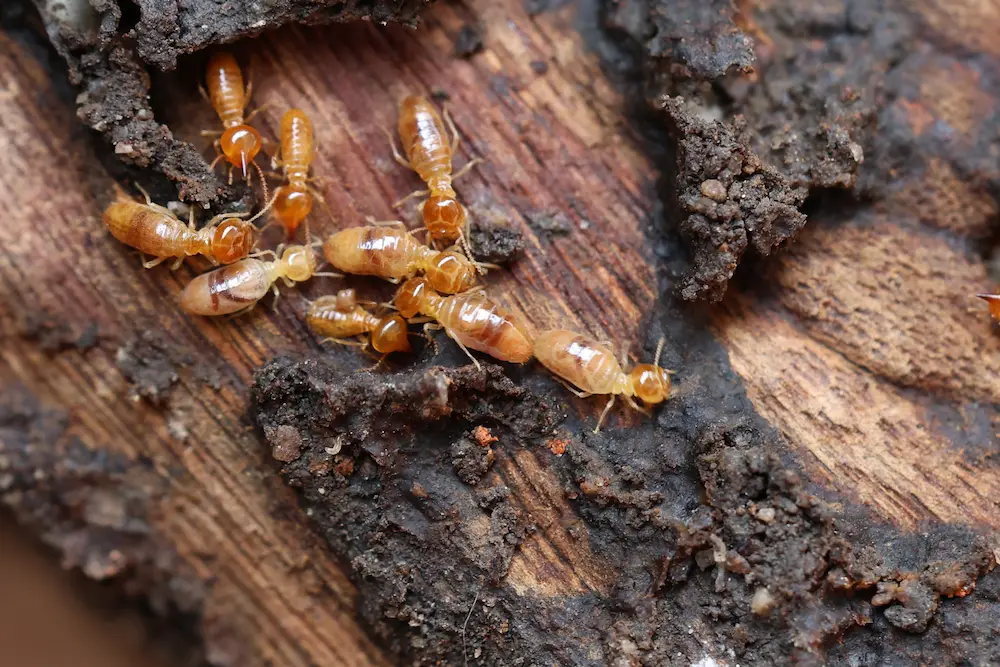
Termites are often confused with ants, especially during swarming season. However, termites have straight antennae, broad waists, and wings of equal length.
One of the most important points in any St. Louis pest identification guide is recognizing termite evidence. Common signs include:
- Mud tubes along foundations or walls
- Discarded wings near windows or doors
- Hollow-sounding wood
- Small areas of damaged or blistering wood
Early identification can help prevent significant structural damage.
How to Identify Cockroaches

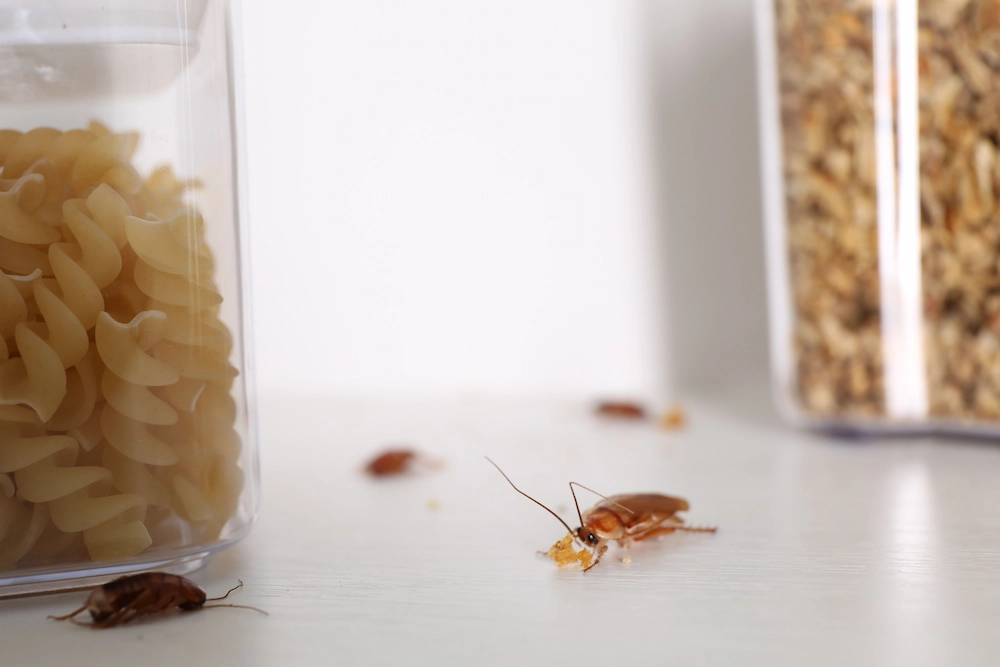
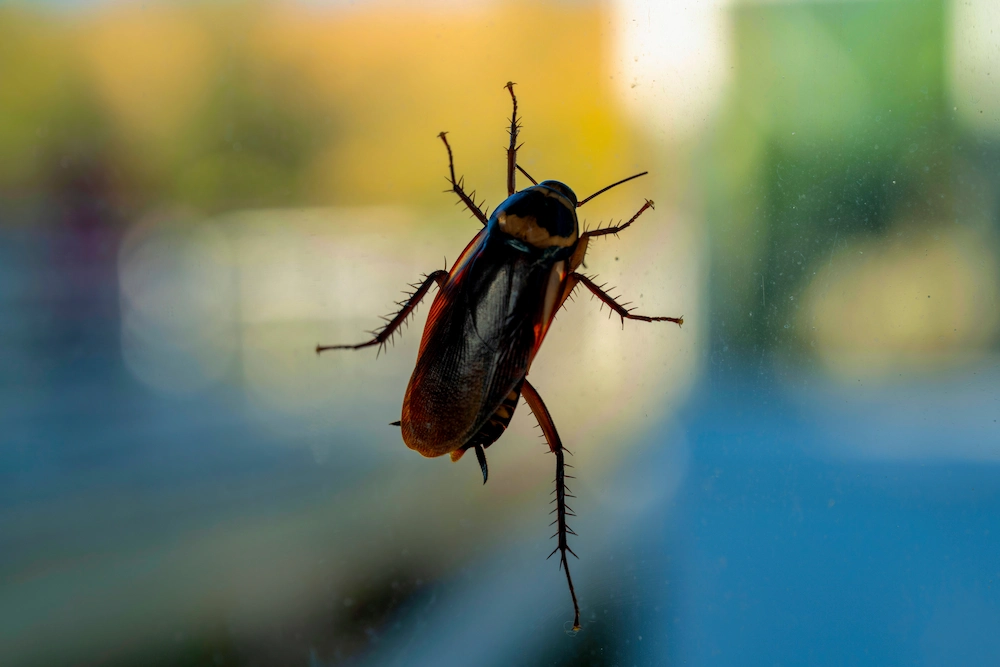
Cockroaches are oval-shaped insects with long antennae and flat bodies that allow them to hide in tight spaces. They are often most active at night and prefer warm, humid environments.
Common signs of cockroach activity include droppings, shed skins, unpleasant odors, and sightings near kitchens, bathrooms, or utility rooms. German cockroaches are one of the most common indoor species found in residential properties.
Because cockroaches reproduce quickly, early detection is critical for successful control.
How to Identify Rodents
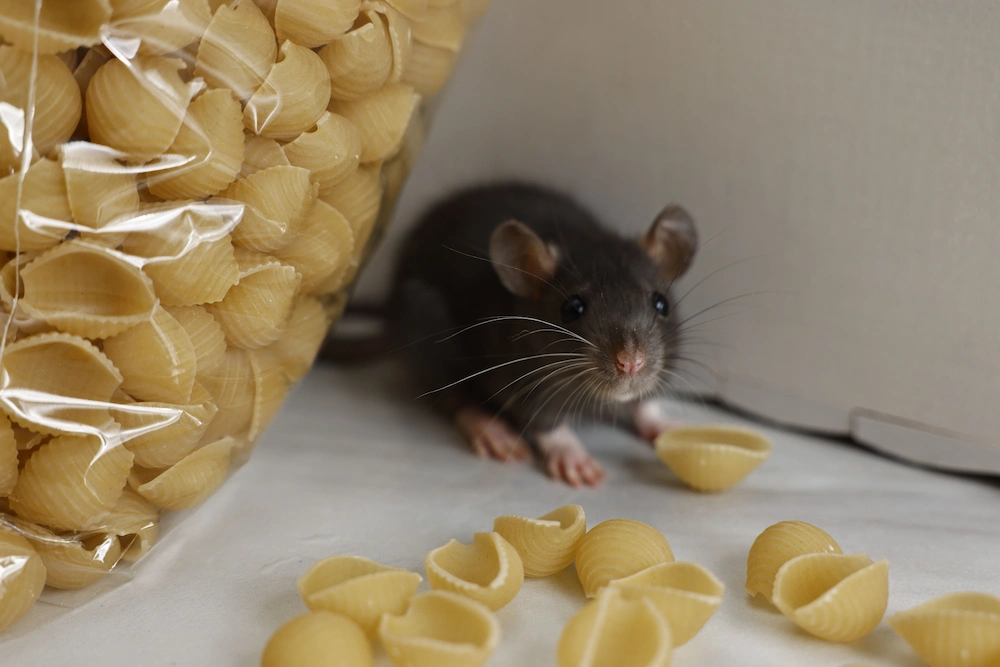
Mice and rats are common pests that can enter homes through surprisingly small openings. Rodent activity is often detected by signs rather than direct sightings.
Look for evidence such as droppings, gnaw marks, shredded nesting materials, and scratching sounds inside walls or ceilings. Mice typically leave smaller droppings than rats and can fit through openings about the size of a dime.
Rodents can contaminate food and damage property, making prompt identification especially important.
How to Identify Mosquitoes
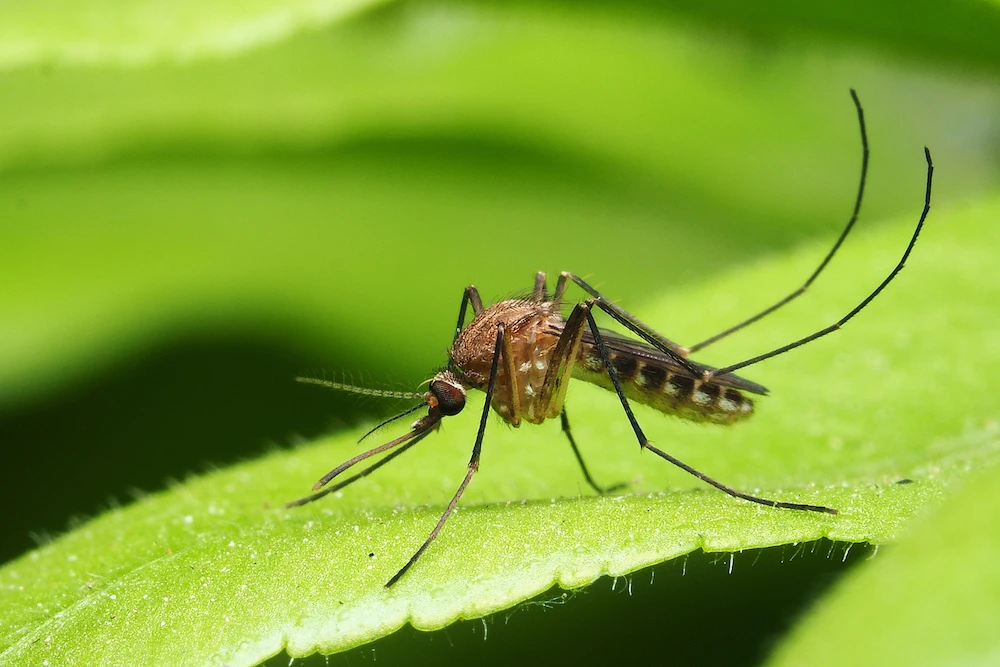
Mosquitoes are easy to recognize because of their slender bodies, long legs, and noticeable biting behavior. They are most active during warmer months and often gather near standing water.
If you notice frequent bites while spending time outdoors, standing water around your property may be supporting mosquito breeding activity. Birdbaths, clogged gutters, and containers holding rainwater are common mosquito habitats.
Mosquito identification is usually less challenging than finding the source of the problem, which often requires locating breeding areas.
The Difference Between Common Household Pests in St. Louis
Understanding the difference between common household pests St. Louis homeowners encounter can help narrow down the source of an infestation.
For example, termites damage wood while carpenter ants tunnel through it. Rodents leave gnaw marks and droppings, while cockroaches often leave droppings and egg cases. Mosquitoes require standing water for breeding, while spiders are more likely to be found near insect prey.
Paying attention to these differences helps homeowners identify pests more accurately and choose appropriate solutions.
When to Call a Professional Pest Expert
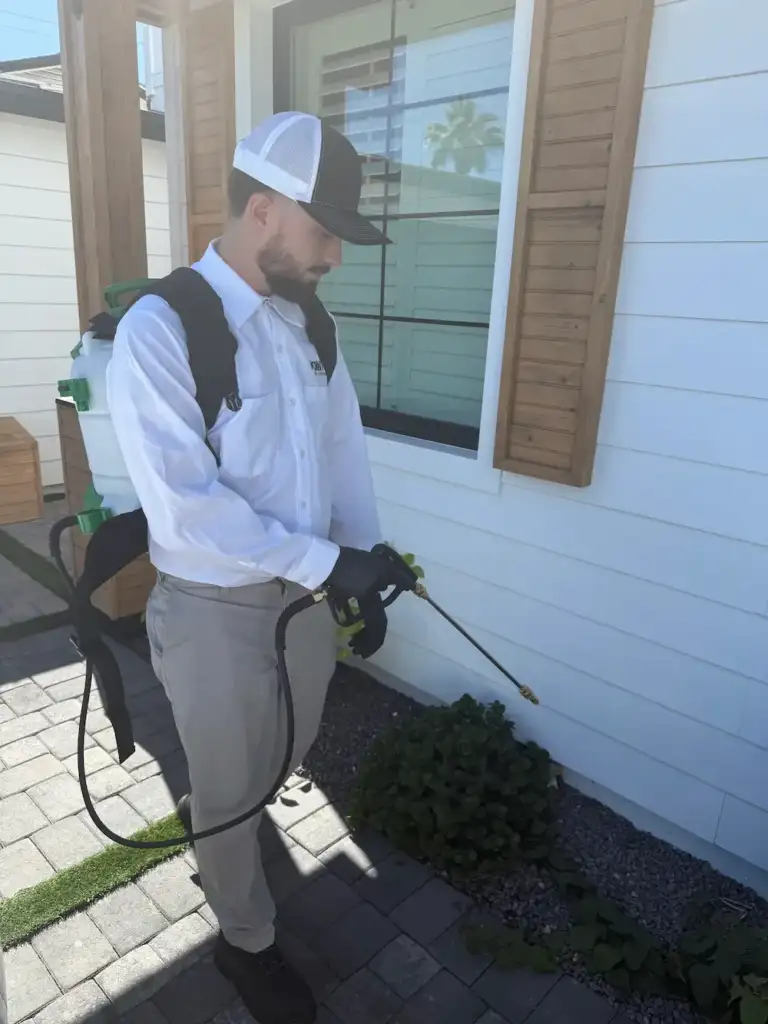
Some pest problems are easy to identify, while others require a trained eye. Similar-looking pests often require very different treatment methods, making accurate identification important.
Professional inspections can help confirm the species involved and identify hidden activity that homeowners may overlook. Pointe Pest Control offers professional pest control services designed to identify and eliminate a wide range of household pests.
Homeowners can also learn more about St. Louis pest control services that provide year-round protection against local pest pressures.
Conclusion
Learning how to identify common pests in St. Louis helps homeowners respond more effectively when pest activity appears. From termites and ants to rodents and mosquitoes, each pest leaves clues that can help determine the source of the problem.
With proper identification and early intervention, homeowners can reduce damage, prevent infestations from spreading, and keep their properties better protected throughout the year. Contact us for a free quote on our year-round services today!
Citations
Leitlow, L. (2021, May 6). What are the worst home pests in Missouri?. Foundation Recovery Systems. Available at https://www.foundationrecoverysystems.com/resources/crawl-space-repair/worst-home-pests-in-missouri/ (Accessed on June 15, 2026).