
Summary: This article explains why mosquitoes need water, how mosquitoes grow in water, and how homeowners can reduce mosquito breeding sites around their property.
__________________________________________________________________________________________________________________________________
Mosquitoes are closely connected to water throughout their life cycle. Even though adult mosquitoes spend most of their time flying and feeding, water is essential for reproduction and development. Understanding why mosquitoes need water can help homeowners reduce mosquito populations around their property.
Many people are surprised by how little water mosquitoes actually need to survive. A small puddle, clogged gutter, birdbath, or container left outdoors can provide enough moisture for mosquitoes to reproduce quickly.
Why Water is Essential for Mosquito Survival
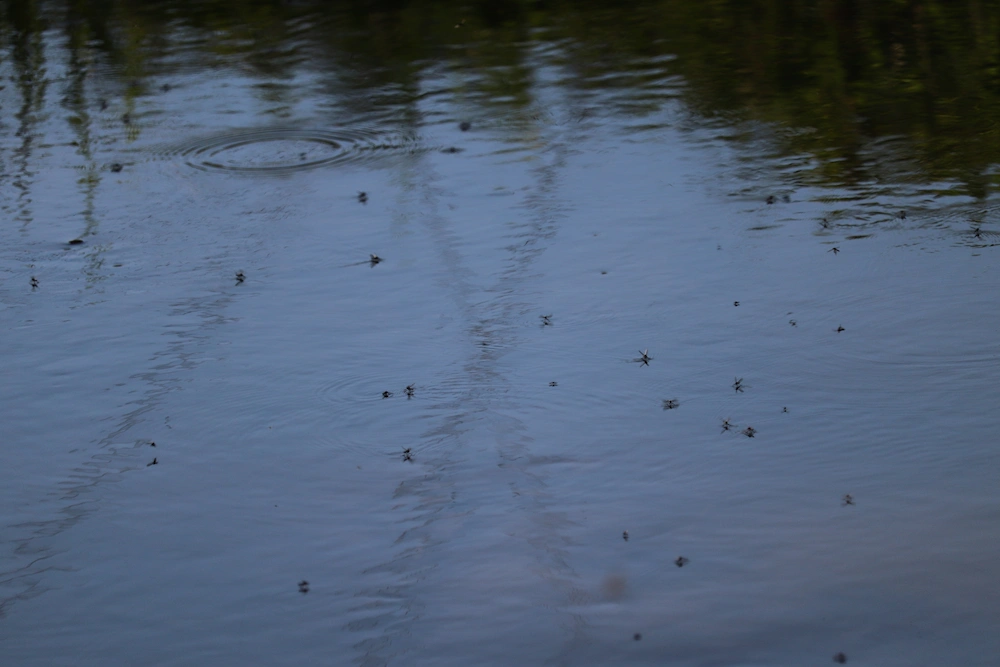
Mosquitoes depend on water because their eggs and larvae cannot survive without it. Female mosquitoes search for calm, shallow water sources where they can safely reproduce.
This is why mosquito activity often increases after heavy rain or during humid weather. Temporary pools of water create ideal breeding conditions that allow mosquito populations to expand rapidly.
Mosquitoes Lay Eggs in Water

One of the most important parts of the mosquito life cycle is reproduction. Female mosquitoes specifically seek out water because mosquitoes lay eggs in water where their offspring can safely develop.
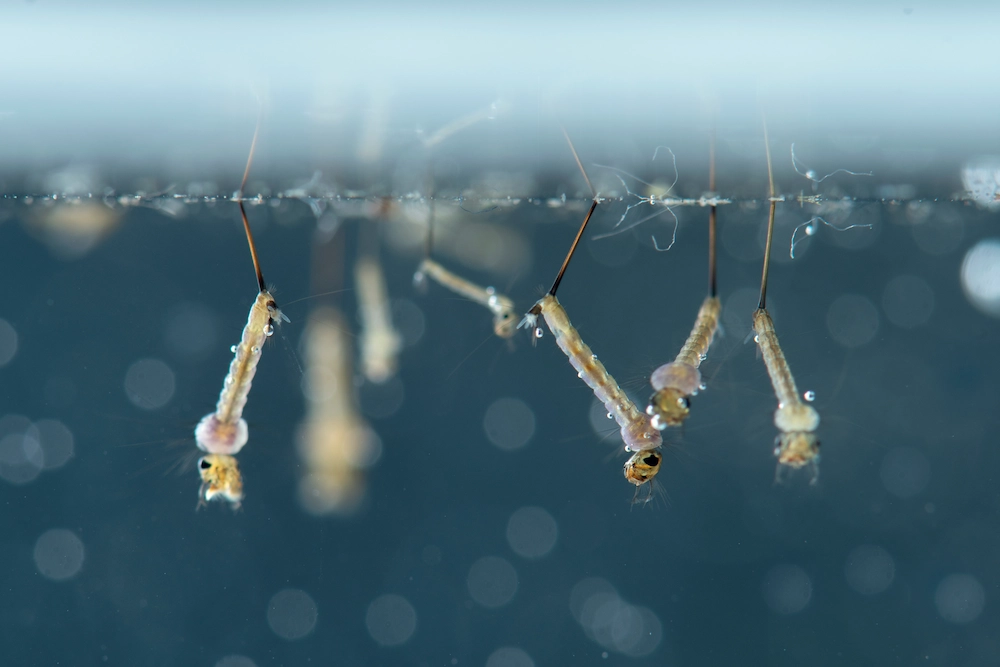
Depending on the species, mosquitoes may lay eggs directly on the water surface or in damp areas that later flood. Once the eggs hatch, mosquito larvae remain in the water while feeding and growing.
This process explains why untreated water sources around homes can quickly become mosquito breeding sites during warm weather.
How Mosquitoes Grow in Water
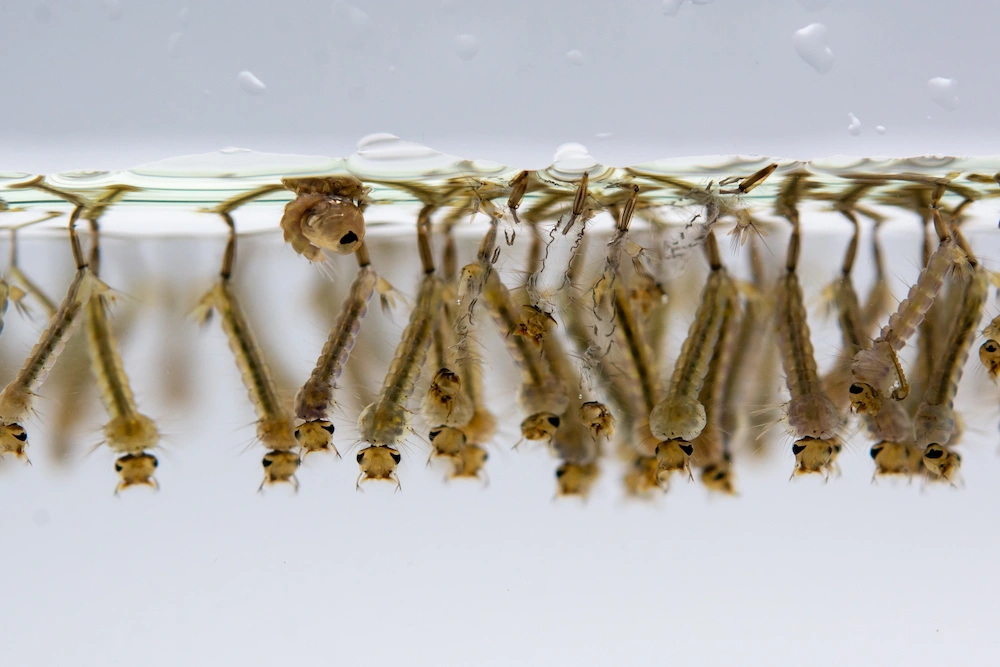
Understanding how mosquitoes grow in water helps explain why even small water sources can become a problem. Mosquitoes pass through several developmental stages before becoming adults.
The mosquito life cycle includes:
- Eggs deposited near or directly in water
- Larvae that live underwater and feed on organic material
- Pupae that continue developing in water
- Adult mosquitoes emerging from the water surface
Under warm conditions, this entire process can happen in as little as one to two weeks. That rapid development allows mosquito populations to grow very quickly during summer months.
Standing Water and Mosquitoes
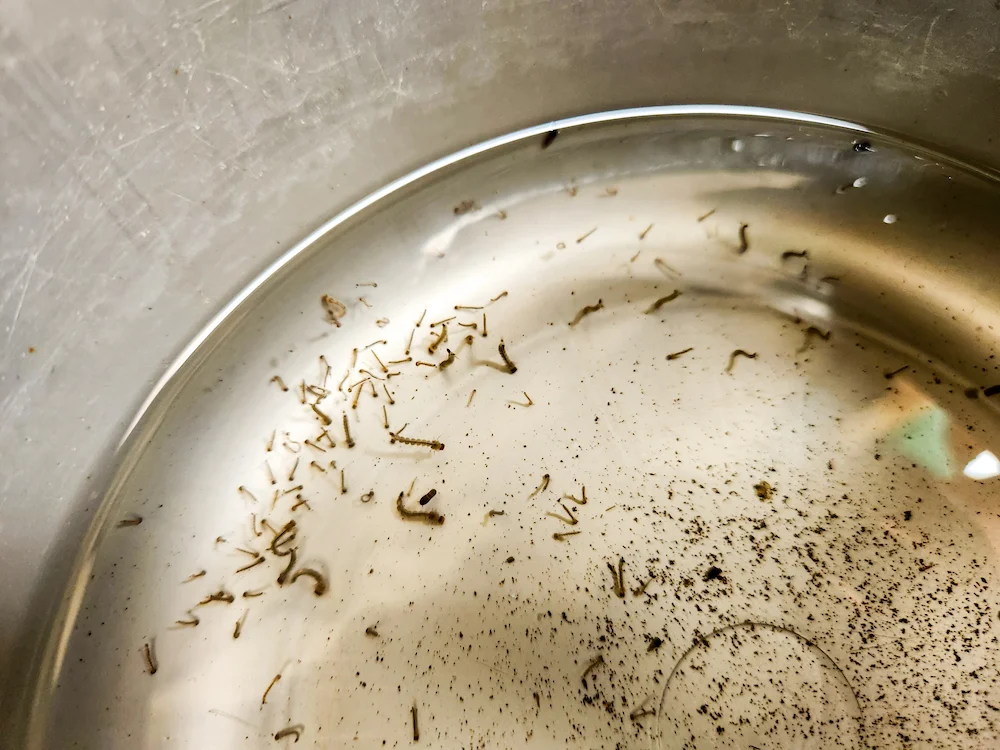
The connection between standing water and mosquitoes is one of the biggest reasons homeowners should monitor outdoor moisture sources carefully. Mosquitoes prefer stagnant water because it provides a stable environment for eggs and larvae.
Common standing water sources include:
- Clogged gutters and downspouts
- Birdbaths and pet water bowls
- Flower pots and plant trays
- Old tires, buckets, and outdoor containers
Even a small amount of standing water can support mosquito breeding if left untreated for several days.
Mosquito Breeding in Water Around Homes
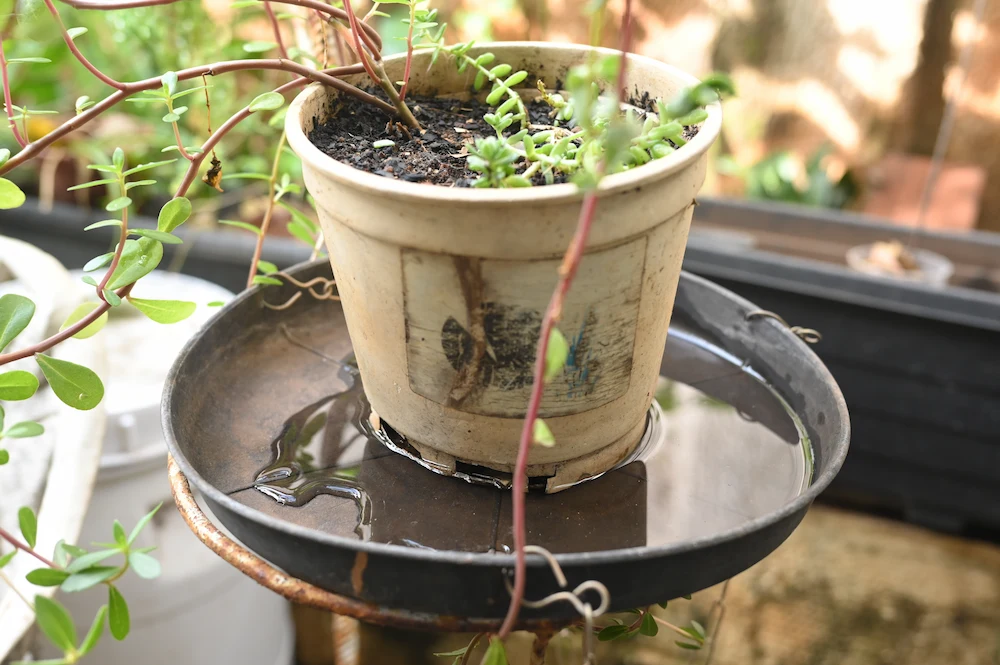
Many homeowners unknowingly create ideal conditions for mosquito breeding in water by allowing moisture to collect around the yard. Areas with poor drainage or shaded landscaping often become hidden breeding sites.
Mosquitoes are especially attracted to areas with organic debris because it provides nutrients for developing larvae. Water collected beneath decks, near landscaping features, or inside neglected containers can support growing mosquito populations close to the home.
Because mosquitoes typically stay near breeding sites, reducing outdoor water sources can significantly lower mosquito activity around the property.
Eliminate Standing Water to Prevent Mosquitoes
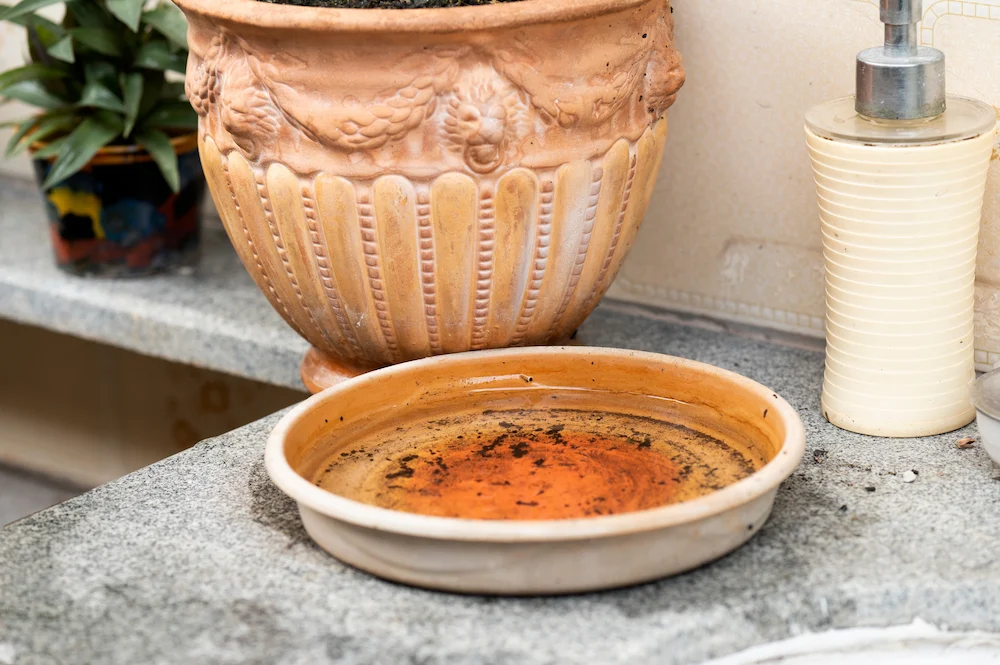
One of the most effective prevention strategies is to eliminate standing water to prevent mosquitoes from reproducing. Regular maintenance and outdoor inspections can greatly reduce mosquito populations before they become severe.
Helpful mosquito prevention tips include:
- Emptying containers that collect rainwater
- Cleaning gutters regularly to prevent clogs
- Refreshing birdbath water frequently
- Improving yard drainage to reduce pooling water
Professional mosquito treatments can also help target breeding areas and reduce mosquito activity around homes. Pointe Pest Control offers professional mosquito control services designed to help homeowners reduce mosquito populations throughout the season.
Homeowners can also learn more about St. Louis pest control services that help manage mosquitoes and other seasonal pests.
Conclusion
Water is essential to the mosquito life cycle because eggs, larvae, and pupae all depend on moist environments to survive. Even small amounts of standing water can support mosquito reproduction and increase outdoor mosquito activity.
Understanding why mosquitoes need water helps homeowners identify breeding sites early and take steps to reduce mosquito populations before they spread throughout the property. For a free quote on our thorough mosquito services, contact us today!
Citations
Facts about mosquito habitats. (n.d.). Orkin. Retrieved May 13, 2026, from https://www.orkin.com/pests/mosquitoes/mosquito-habitats