
Summary: A homeowner-friendly guide to preparing for spring pest hatchings in the St. Louis area, including prevention steps, early warning signs, and when to call a pro.
__________________________________________________________________________________________________________________________________
Spring in the St. Louis area is great for patios, gardens, and finally cracking a window without freezing. It is also when a lot of pests go from hidden to very noticeable. Many insects spend the colder months protected as eggs or in egg cases, waiting for the first stretch of mild weather.
A little planning now can mean fewer surprises later. This guide covers spring pest egg hatching prevention steps you can take at home, what to watch for, and when it makes sense to bring in a technician.
Why Spring Hatching Season Sneaks Up on Homeowners

Eggs are the ultimate low-profile pest problem. You can have them tucked under a deck board, in a soffit corner, or in last year’s leaf pile and never know it. Then a warm week hits, and suddenly you are seeing activity all at once.
That is why timing matters. When you focus on stopping moisture, sealing access points, and removing the sheltered spots pests use to lay eggs, you are reducing the chances of an early-season population jump. It is much easier to handle pests before they spread through the yard and start pushing indoors.
Common Places Pest Eggs Hide Around St. Louis Homes
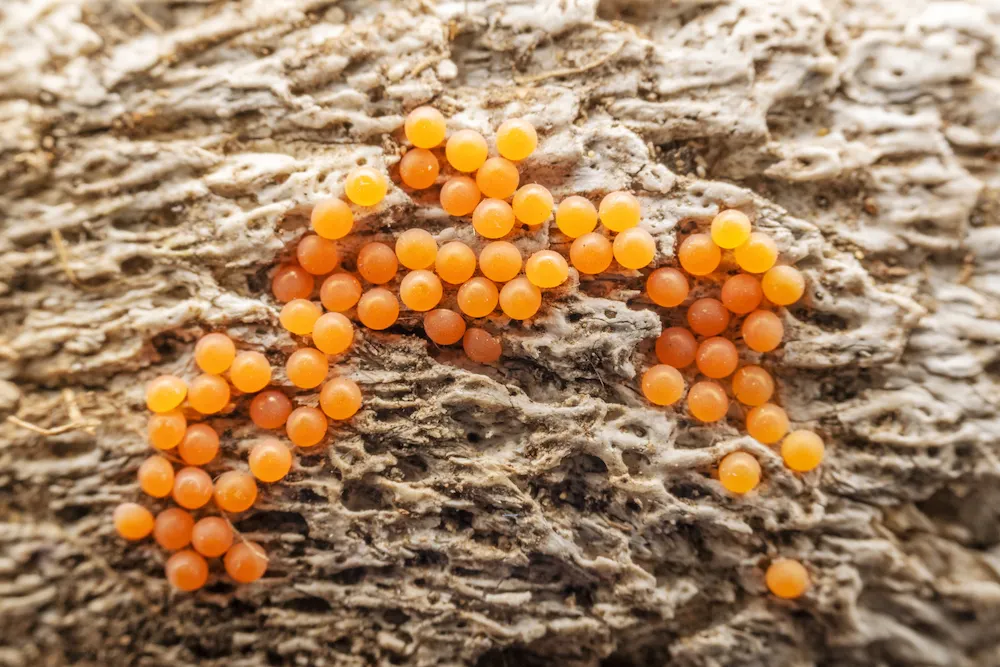
If you want to get ahead of hatchings, start with the places that stay protected from wind, rain, and foot traffic. In the Midwest, that usually means edges, voids, and anything that sits still for a long time.
Here are a few high-impact spots to check outside and in transitional areas like garages and basements:
- Under outdoor clutter like stacked firewood, spare boards, old planters, and stored toys
- Along the foundation where mulch, leaf litter, or soil meets siding
- Inside shed corners, crawl spaces, and garage storage zones that stay quiet all winter
- Around windows, door frames, and utility lines where small gaps create sheltered ledges
If you are seeing egg clusters, shed skins, or small insects gathering near lights or windows, it is a sign your exterior is acting as a staging area. That is when the best move is to tighten up the perimeter and remove the things that keep pests comfortable.
A Simple Pre-Hatch Checklist That Actually Works

Homeowners often ask how to stop pests before they hatch without turning their weekend into a full-blown construction project. The good news is that small fixes add up fast, especially when you focus on food, water, and shelter.
Start with moisture. Spring rains and thaw cycles create the damp zones that help insects thrive. Clean out gutters, correct downspouts that dump water at the foundation, and fix small leaks in spigots or hose bibs. Indoors, keep an eye on basement humidity and any plumbing drips, especially under sinks or near the water heater.
Next, reduce hiding spots. Pull leaves away from the foundation, keep mulch a few inches back from siding, and avoid letting cardboard, fabric, or loose insulation sit in corners of the garage. This is a big part of preventing pest eggs from hatching because it removes the protected microclimates that make eggs safer and hatchlings harder to notice.
Finally, seal the easy access points. Replacing worn weather stripping and adding door sweeps are quick wins. For cracks and gaps, use quality exterior sealant and make sure screens are intact. Even if you are not fully bug-proofing a home, you are removing the straightforward entry routes that turn a yard problem into an indoor problem.
Which Pests Hatch First and What Their Early Signs Look Like
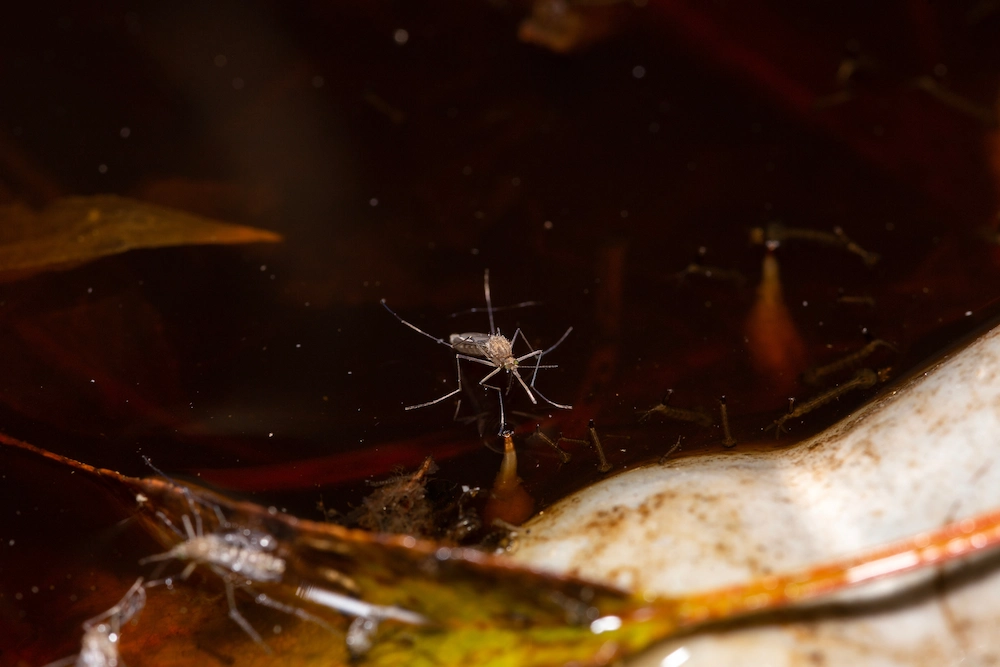
In our region, the early season is often a mix of insects waking up plus new hatchlings. The tricky part is that the first wave is not always the biggest wave. Still, catching early activity gives you the most control.
When people ask about the common pests that hatch in spring, these are the ones that tend to show up quickly around homes and yards:
- Ants and other small foragers that start scouting kitchens and pantries
- Mosquitoes, especially when standing water collects after spring storms
- Stinging insects that begin building nests in protected exterior spots
- Termites and carpenter ants that become a concern around damp or compromised wood
Early signs usually look minor at first: a few ants trailing along a baseboard, an uptick in bugs near porch lights, or new buzzing activity under an eave. Do not ignore those hints. Spring pests build momentum fast once conditions are right.
If you are in the St. Louis Metro area and want a reliable baseline for the season, it helps to schedule a general inspection and plan through a local team that handles a wide range of pests. Pointe’s St. Louis pest control page is a good starting point for what ongoing prevention can look like.
When Professional Help Makes the Biggest Difference
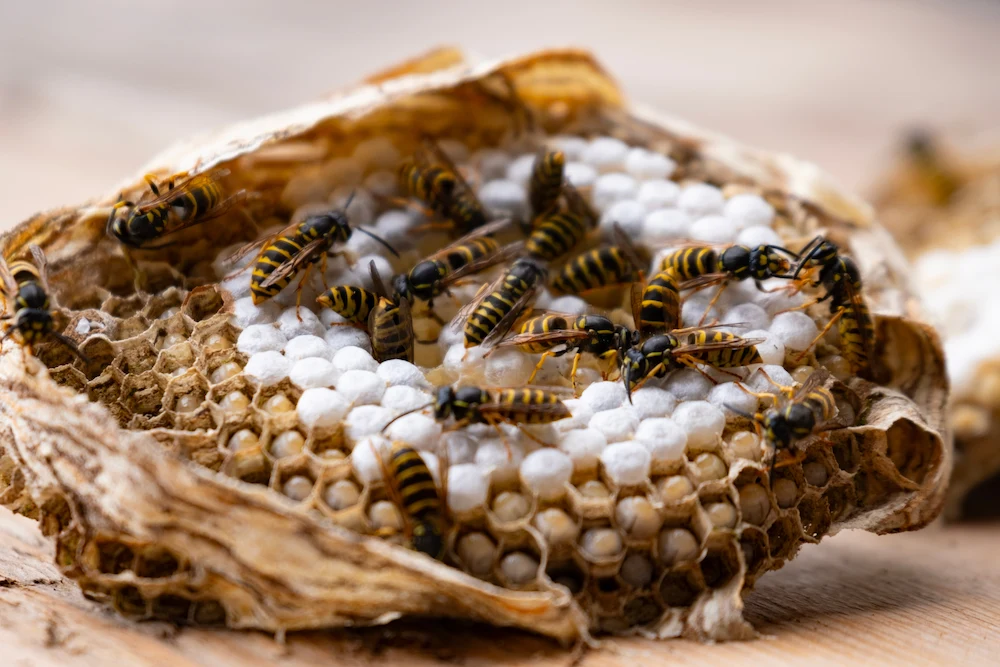
DIY prevention is a smart first step, but there are times when it is not enough. If you have recurring spring activity, a history of stinging insect nests, or signs of wood-damaging pests, a professional visit can keep small issues from turning into mid-season emergencies.
The biggest advantage of early spring pest control services is that technicians can identify active hot spots before they are obvious. They know where pests typically lay eggs, where they travel, and what conditions are making your property attractive. That insight lets you focus on targeted fixes instead of guessing.
For homeowners who want extra peace of mind, professional spring pest prevention is also about consistency. Routine inspections, exterior treatments where appropriate, and exclusion recommendations can lower the odds of repeat problems. Termites are a good example of a pest where timing matters. If you are concerned about wood damage or swarmer season, Pointe’s termite services page explains how treatment and prevention options work.
Wrap Up: Make Spring About Fresh Air, Not Fresh Pests
Spring does not have to mean chasing pests around the house. If you focus on moisture control, clutter reduction, and sealing the exterior, you are setting your home up for a calmer season. The earlier you start, the easier it is to keep hatchlings from gaining a foothold.
If you would like a professional set of eyes on your property, Pointe Pest Control can help you build a plan that fits your home and your neighborhood. A quick inspection and a seasonal approach can make the difference between constant pest sightings and a spring you actually get to enjoy. Contact us for a free quote today!
Citations
El Damir, M. (Dr.). (2020, March 13). Guide to spring pests. Pest Control Technology. Available at https://www.pctonline.com/article/guide-to-spring-pests/ (Accessed on February 18, 2026).