
Summary: A homeowner-friendly guide explaining drywood vs subterranean termites, how to spot each type, and practical prevention steps for St. Louis area homes.
__________________________________________________________________________________________________________________________________
If you’ve ever found a suspicious pile of tiny wood pellets near a window sill or noticed a muddy line climbing up your foundation, you’ve had the same thought as every homeowner: “Is this termites?”
Termites are sneaky, and the best way to stop costly damage is to figure out what you’re dealing with early. This guide breaks down drywood vs subterranean termites, how they behave, and what you can do to keep them out for good.
Why Termite Type Matters in Missouri and Illinois Homes
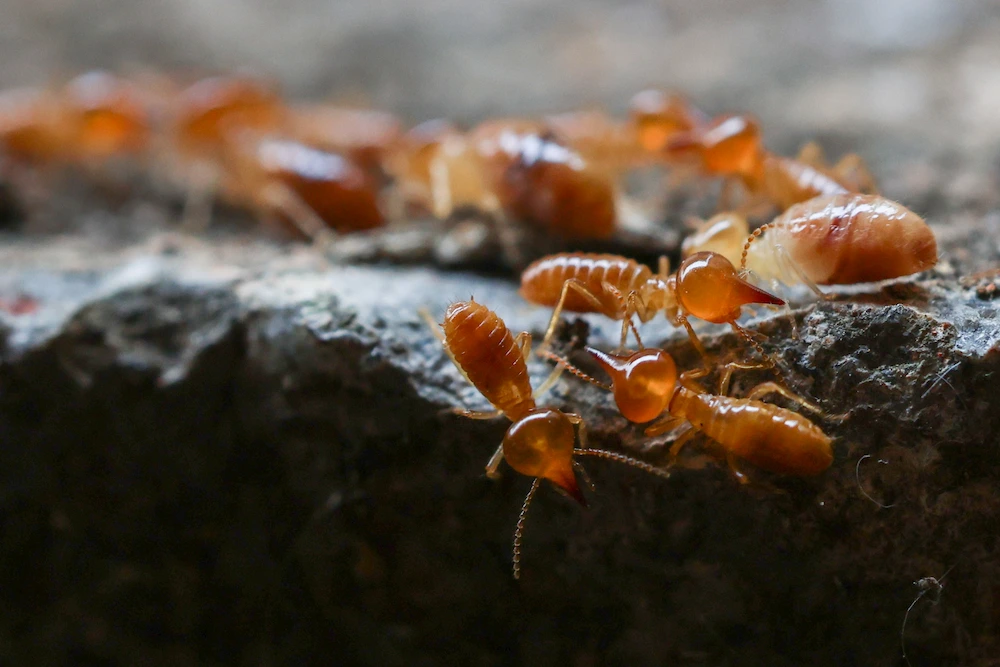
Drywood and subterranean termites both feed on cellulose found in wood, but they live very different lifestyles. That difference changes where you’ll find them, what the damage looks like, and what prevention steps actually work.
In our region, subterranean termites are the most common termite threat, but drywood termites can still show up in the right conditions. Knowing the differences between drywood and subterranean termites helps you avoid guessing, and it helps a pro build the right treatment plan from day one.
Drywood Termites: The “Live in the Wood” Termites

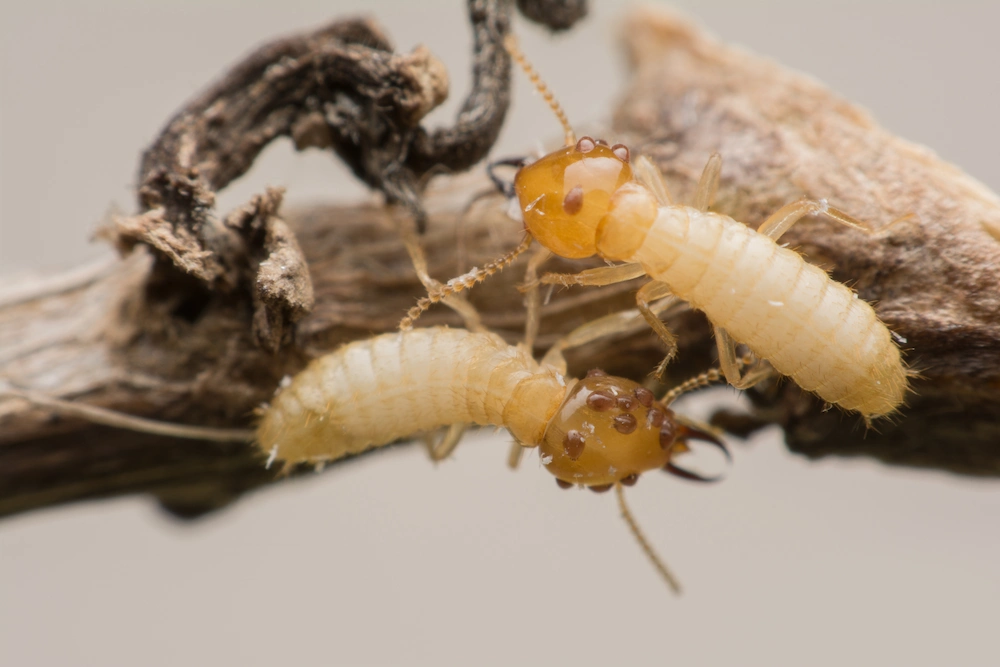
Drywood termites do not need soil contact to survive. Instead, they build their colonies inside dry, sound wood. That could be framing, trim, fascia boards, attic wood, or even furniture. Because they can live entirely within wood, infestations may start in higher parts of the structure, especially around rooflines and upper windows.
A drywood colony is typically smaller than a subterranean colony, but that does not make it harmless. If a colony goes unnoticed for years, it can hollow out boards from the inside, leaving the surface looking mostly normal until the wood becomes thin and fragile.
Common Drywood Termite Signs
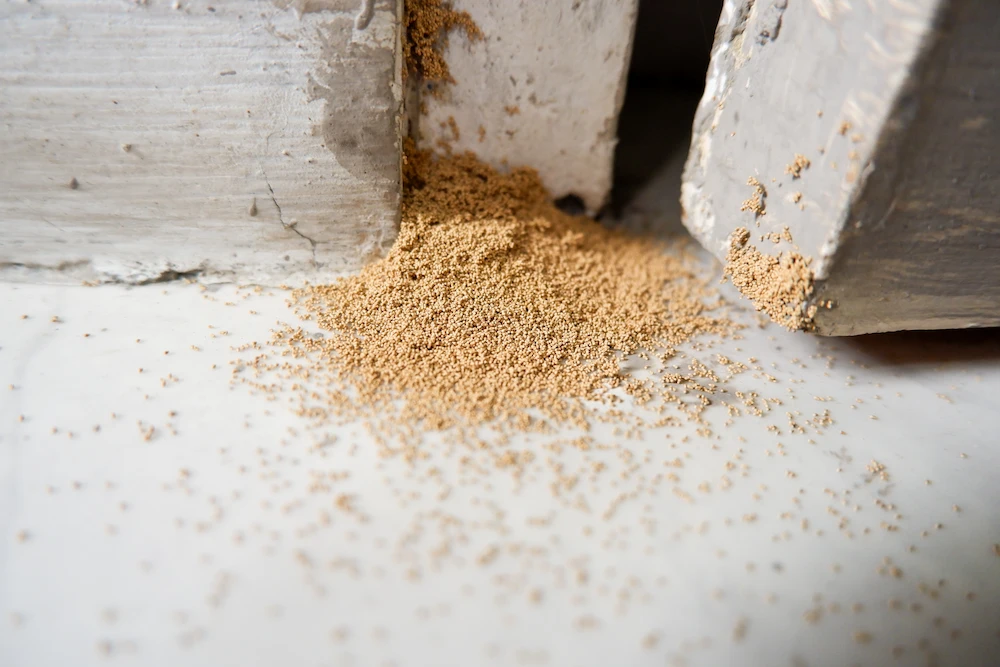
One of the most recognizable drywood signs is frass, which are the small, hard, sand-like pellets termites push out of “kick-out” holes. Homeowners often find them in little piles below infested wood, like along baseboards or on window sills. You might also notice blistering paint, tiny pinholes in wood, or weakened trim that sounds hollow when tapped.
If you are focused on how to identify termite types, frass is a strong clue that points toward drywood termites rather than subterranean termites, which leave different evidence.
Subterranean Termites: The “Ground Up” Colony Builders
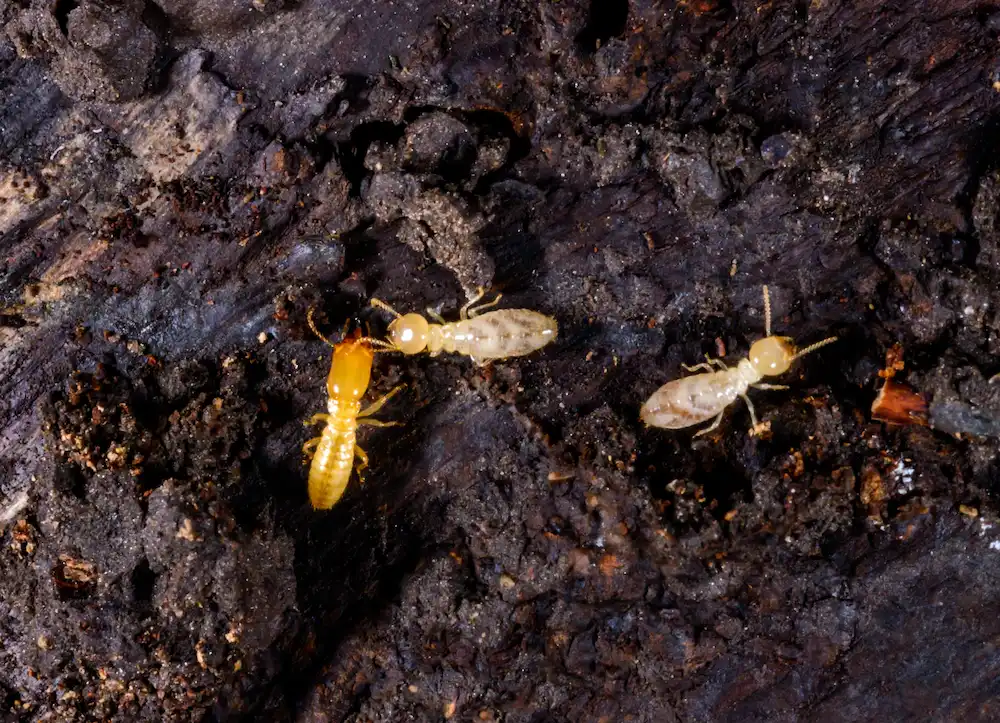
Subterranean termites live in the soil and build large colonies underground. From there, they travel into a structure for food. Because they need moisture, they typically enter through foundation cracks, expansion joints, plumbing penetrations, and other low-level access points.
Once inside, they may move upward through wall voids and framing. A subterranean colony can be large, which is why early action matters.
Common Subterranean Termite Signs
Subterranean termites are known for building mud tubes, which are thin, muddy tunnels that protect them from dry air as they travel. These tubes often show up on foundations, basement walls, crawl spaces, or behind interior wall coverings.
You may also see swarmers in the spring, plus discarded wings near windows and doors. Damaged wood may look layered or “galleries” may be visible when the surface breaks. If you see mud tubes, it is time to act quickly, since this points strongly toward subterranean termite activity.
Side-By-Side Comparison: Drywood vs. Subterranean Termites
When you compare drywood vs subterranean termites, focus on habitat first. Drywood termites live inside the wood and can start higher in the structure. Subterranean termites start in the soil and usually show up at lower entry points first.
Another big difference is what you find around the damage. Drywood termites commonly leave pellet-like frass. Subterranean termites are more likely to leave mud tubes and moisture-related signs. Both can produce swarmers, so winged insects alone are not always enough to confirm the type.
Quick checklist of what to look for:
- Frass pellets and tiny kick-out holes in wood (often points to drywood).
- Mud tubes on foundation or basement walls (often points to subterranean).
- Soft, damaged wood near moisture sources, like leaks or damp crawl spaces (often points to subterranean).
- Localized damage in trim, attic wood, or furniture without soil contact (often points to drywood).
Termite Prevention Methods That Actually Reduce Risk
Prevention is about removing the conditions termites rely on: moisture, easy access, and unprotected wood.
These termite prevention methods are homeowner-friendly and worth revisiting each spring and fall.
Prevention basics that protect most homes:
- Fix leaks fast, including dripping outdoor spigots and slow plumbing leaks under sinks.
- Keep mulch, soil, and landscape timbers from touching siding or wood trim.
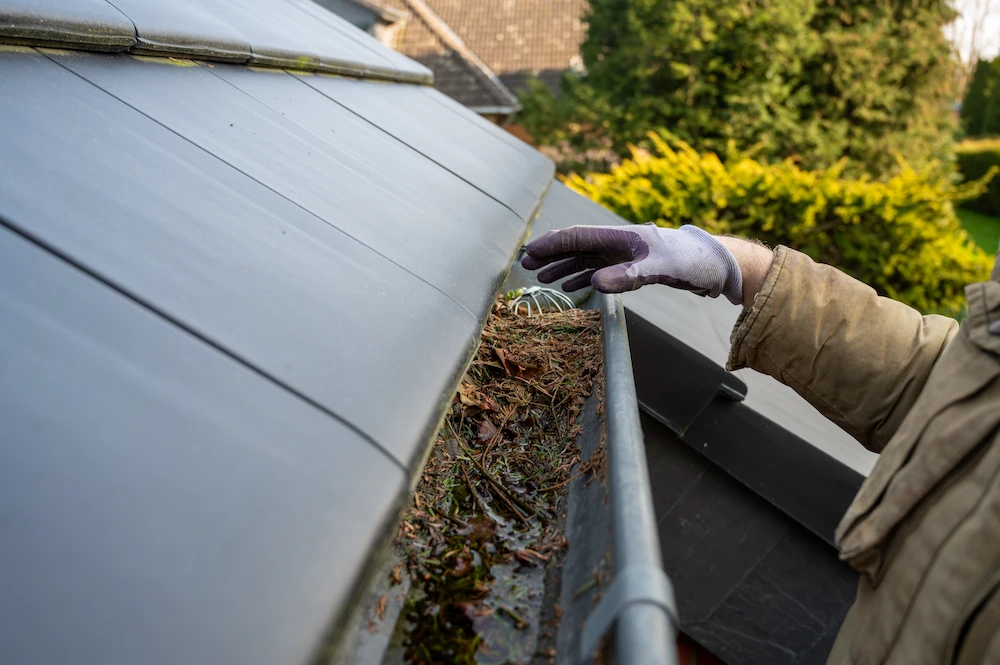
- Maintain good drainage and keep gutters clear so water does not pool near the foundation.
- Seal gaps around utility penetrations and address foundation cracks where possible.
- Store firewood off the ground and away from the home, not stacked against the house.
Preventing Drywood Termite Infestations
Preventing drywood termite infestations is often about the upper parts of the home. Keep paint, stain, and sealants in good shape on exterior wood, especially fascia boards, soffits, and window trim. Replace weathered wood promptly, since cracks and exposed grain make it easier for termites to get established.
Also pay attention to attic ventilation and humidity. Drywood termites do not need soil moisture, but stable indoor conditions help them stay hidden and comfortable. When you reduce excess humidity and keep wood sealed, you reduce the chances of a colony settling in.
Subterranean Termite Control and Prevention
Subterranean termite control and prevention usually starts at the ground. Limit wood-to-soil contact and keep the perimeter dry. If you have a crawl space, make sure vents and vapor barriers are in good shape, and address standing water right away.
Professional barriers and treatments can be especially helpful for properties with recurring moisture issues, older foundations, or prior termite activity. If you have ever had termites before, it is smart to treat prevention as ongoing maintenance rather than a one-time project.
When to Call a Pro in the St. Louis Area
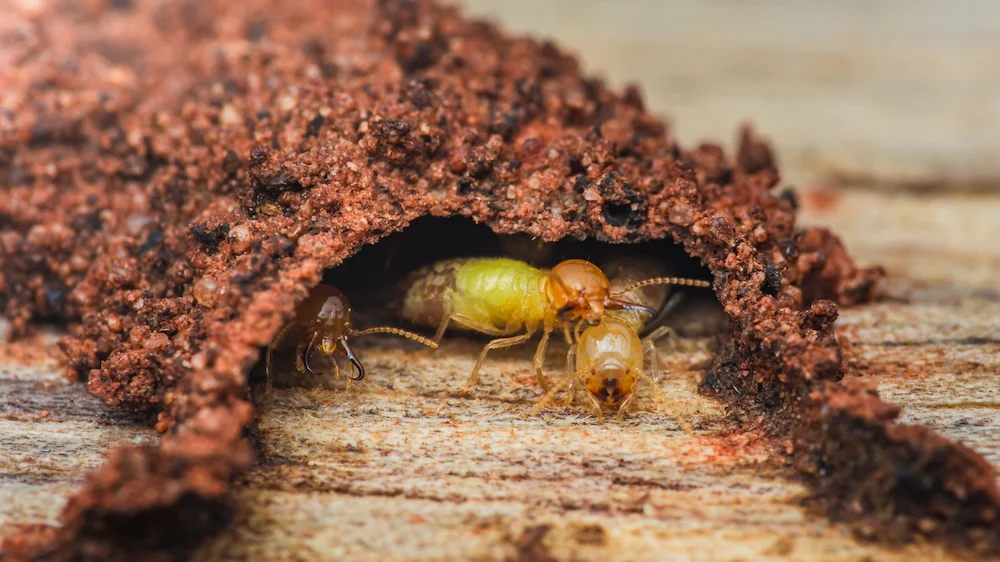
Termites are one of those pests where guessing can be expensive. If you see frass, mud tubes, swarmers, or any suspicious wood damage, a professional inspection can confirm what is happening and how extensive it is.
Pointe Pest Control offers dedicated termite help, including inspections and customized treatment plans. Learn more about our termite control services and what to expect from an inspection.
If you are located in the metro area, our local team also provides St. Louis termite control services designed for the termite pressures we see in this region.
Final Takeaway
Drywood and subterranean termites can both cause serious damage, but they leave different clues and require different strategies. Once you know what to look for, you can act faster and avoid letting a small issue turn into major repairs.
If you suspect termites, contact Pointe Pest Control for a thorough inspection and an honest plan to protect your home long-term. We get to the root of termite problems as efficiently as possible without compromising care!
Citations
Drywood vs. subterranean termites: Identifying the differences and prevention. (2024, August 1). Aptive Pest Control. Retrieved February 12, 2026, from https://aptivepestcontrol.com/pests/termites/drywood-termites/drywood-vs-subterranean-termites-identifying-the-differences-and-prevention/