
Summary: Learn how to get rid of odorous house ants with practical tips like storing food properly, fixing leaks, and sealing entry points to prevent infestations.
__________________________________________________________________________________________________________________________________
Odorous house ants are a common nuisance for homeowners, especially when they begin invading kitchens and food storage areas. These small ants get their name from the unpleasant smell they release when crushed, often described as a rotten or sour odor. While they are not dangerous, their presence indoors can quickly become frustrating.
Learning how to get rid of odorous house ants starts with understanding what attracts them and how they behave. These ants are constantly searching for food and moisture, and once they find a reliable source, they will continue returning in large numbers.
What Attracts Odorous House Ants
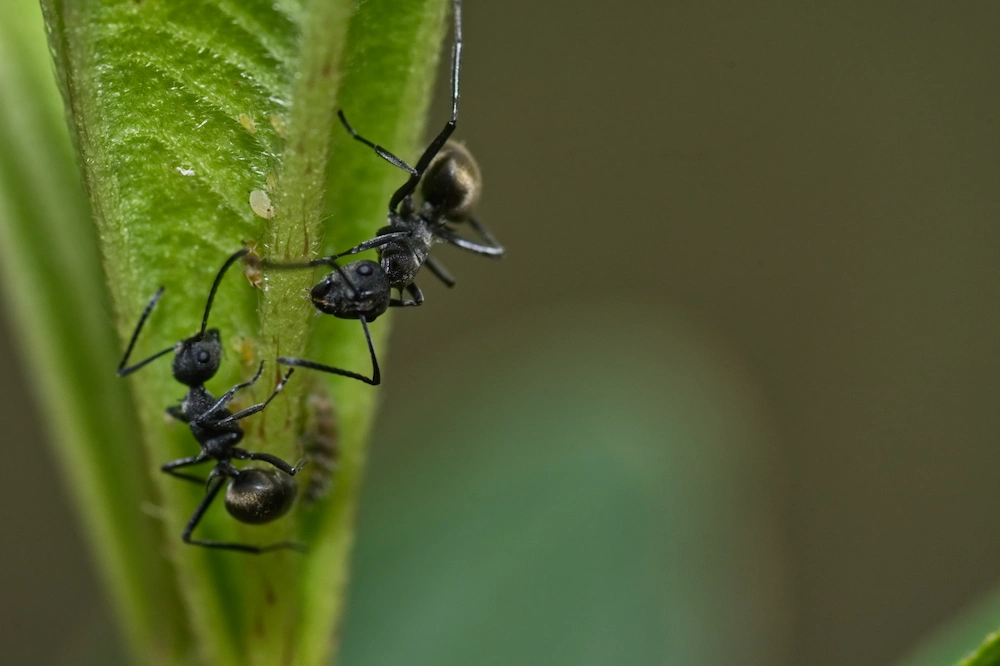
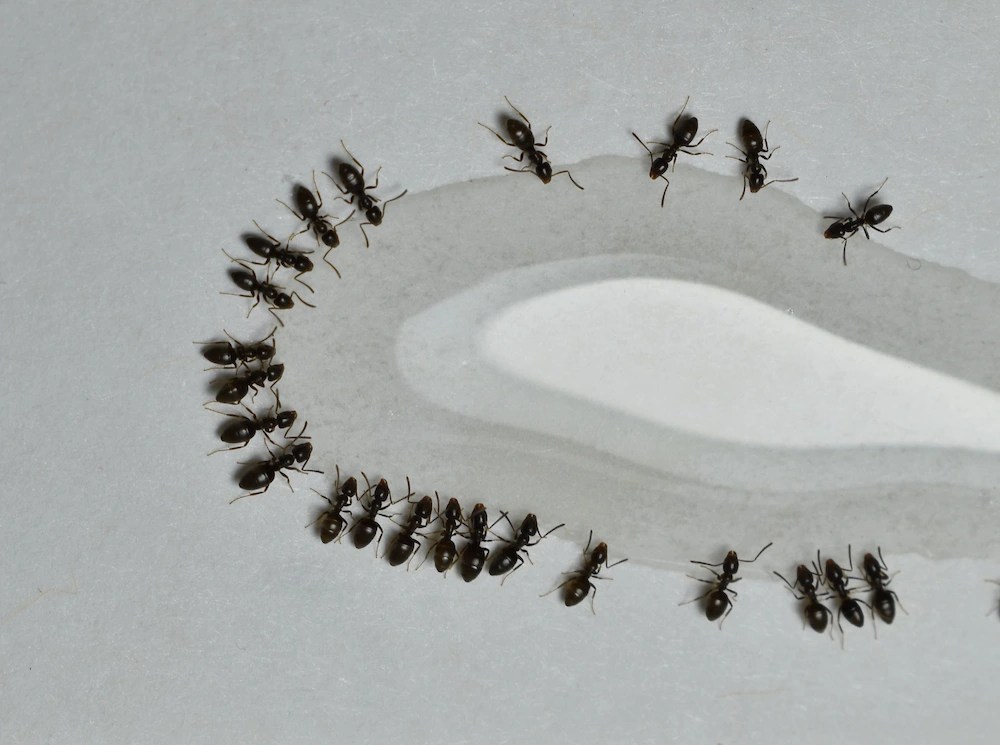
Odorous house ants are highly attracted to sugary foods, grease, and even small crumbs left behind on counters or floors. Kitchens are one of the most common areas where infestations begin because they provide easy access to food and water.
Moisture is another key factor. Leaky pipes, damp areas under sinks, and condensation can create ideal conditions for ants to thrive. Addressing both food and water sources is essential for effective odorous house ants control and long term prevention.
Signs of an Odorous House Ant Infestation
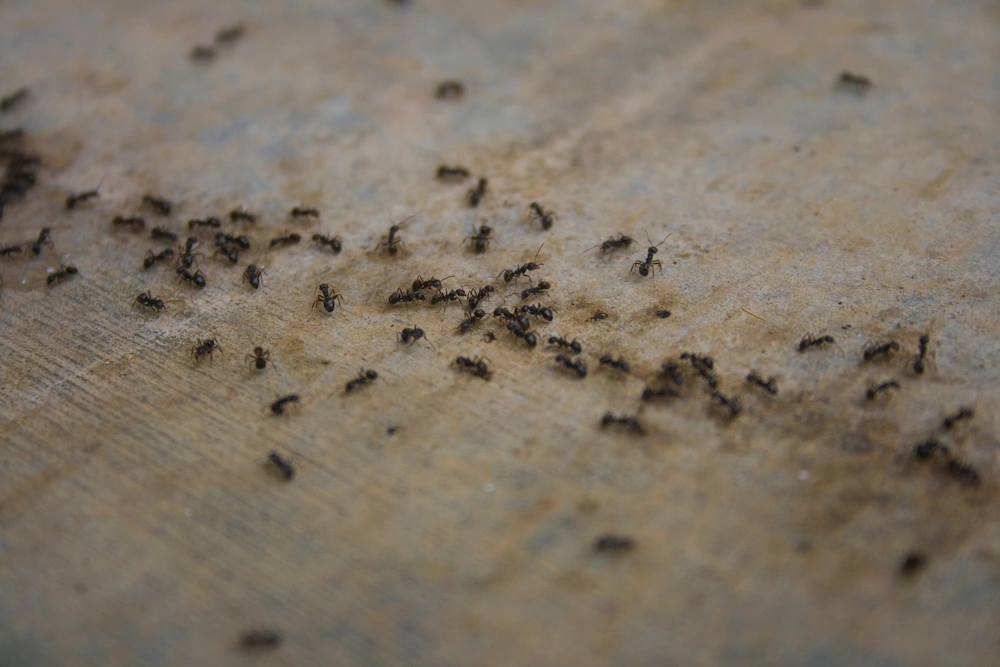
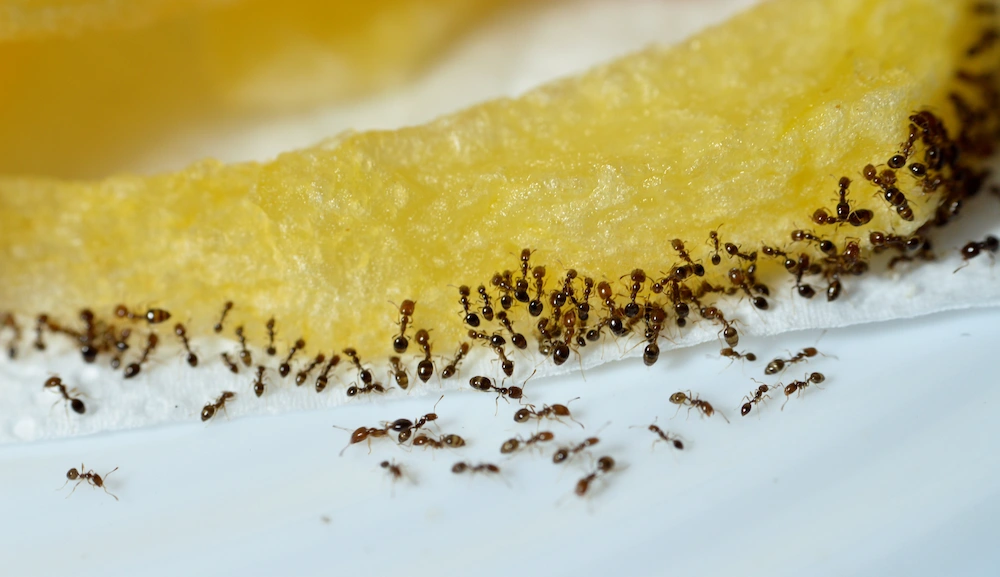
These ants are small, typically dark brown or black, and often appear in long, consistent trails. You may notice them moving along countertops, baseboards, or walls as they travel between their nest and food sources.
Common signs of activity include:
- Visible ant trails leading to food or water sources
- Clusters of small black ants indoors, especially in kitchens
- A strong odor when ants are crushed
- Increased activity during warmer months
Recognizing these signs early can help you eliminate ant infestations before they grow larger and harder to manage.
Store Food Properly and Keep Surfaces Clean
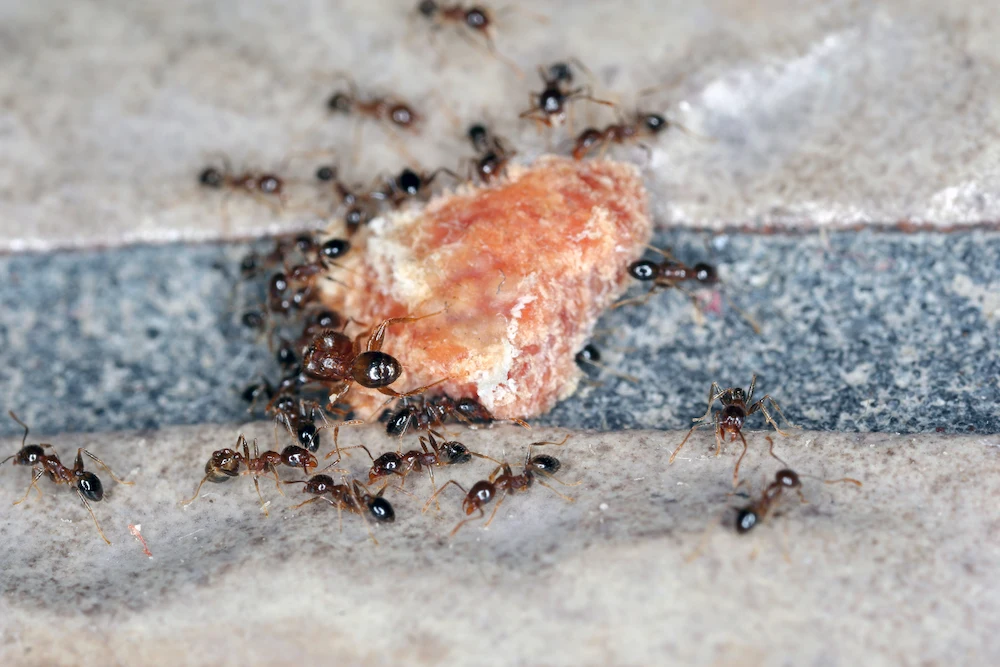
One of the most effective ways to reduce ant activity is to remove access to food. Even small amounts of residue can attract large numbers of ants. Wiping down counters, sweeping floors, and cleaning up spills quickly can make a big difference.
Food should always be stored in sealed containers, especially items like sugar, cereal, and snacks. Taking steps to prevent ants in kitchen areas will help reduce the chances of ants establishing a consistent trail inside your home.
It is also helpful to empty trash regularly and keep lids tightly closed. Ants are quick to take advantage of exposed food waste, so maintaining a clean environment is key.
Fix Leaks and Eliminate Moisture
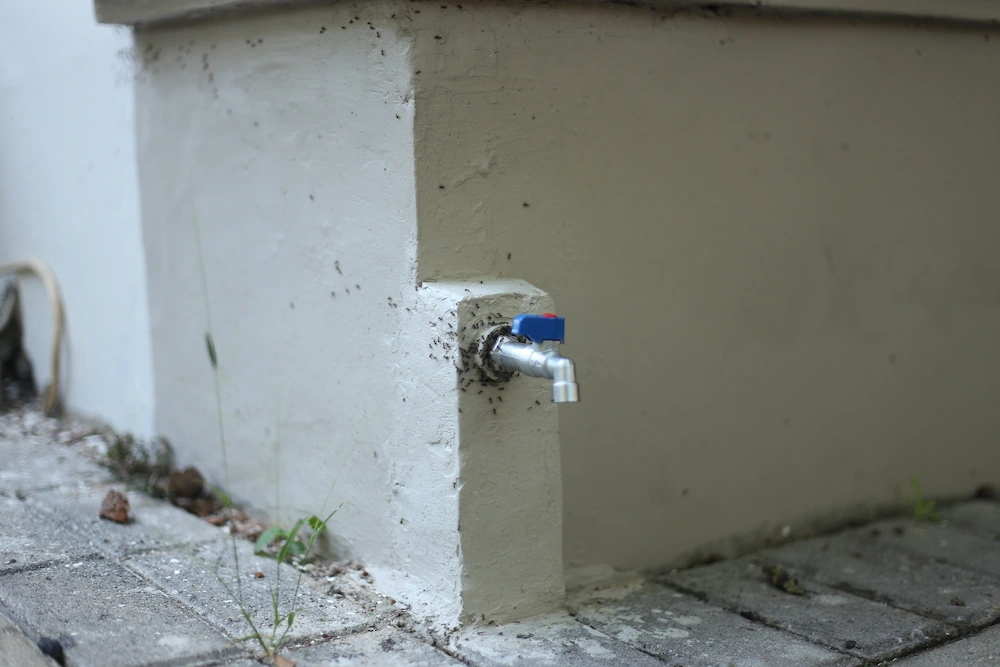
Since odorous house ants are drawn to moisture, fixing leaks is an important part of controlling them. Check under sinks, around appliances, and near plumbing fixtures for any signs of water buildup.
Drying out damp areas and improving ventilation can make your home less appealing to ants. Eliminating moisture sources works alongside sanitation efforts to reduce the conditions that support ant activity.
Even small drips or condensation can sustain ants, so addressing these issues early can help prevent ongoing problems.
Seal Entry Points and Block Access
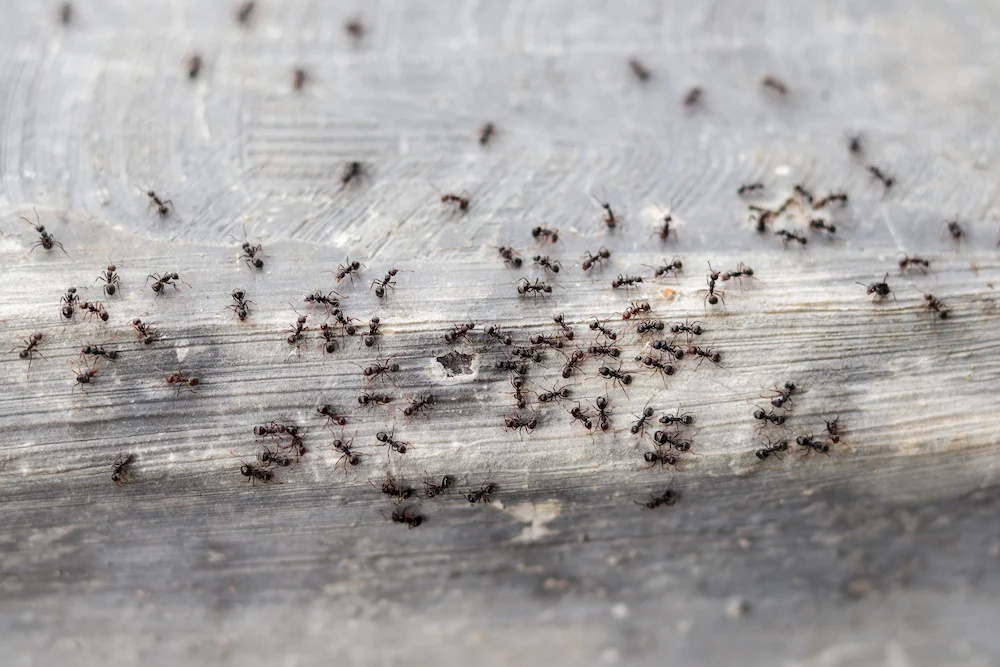
Ants often enter homes through tiny cracks and gaps that may go unnoticed. Sealing these entry points helps stop ants from getting inside in the first place.
Focus on areas around windows, doors, and foundations. Repairing damaged seals and closing gaps can significantly reduce indoor ant activity. Blocking access is an important step in both treatment and long term prevention.
If you can locate where ants are entering, you can better target your efforts and reduce the chances of new ants replacing those that are removed.
Natural Ways to Reduce Ant Activity
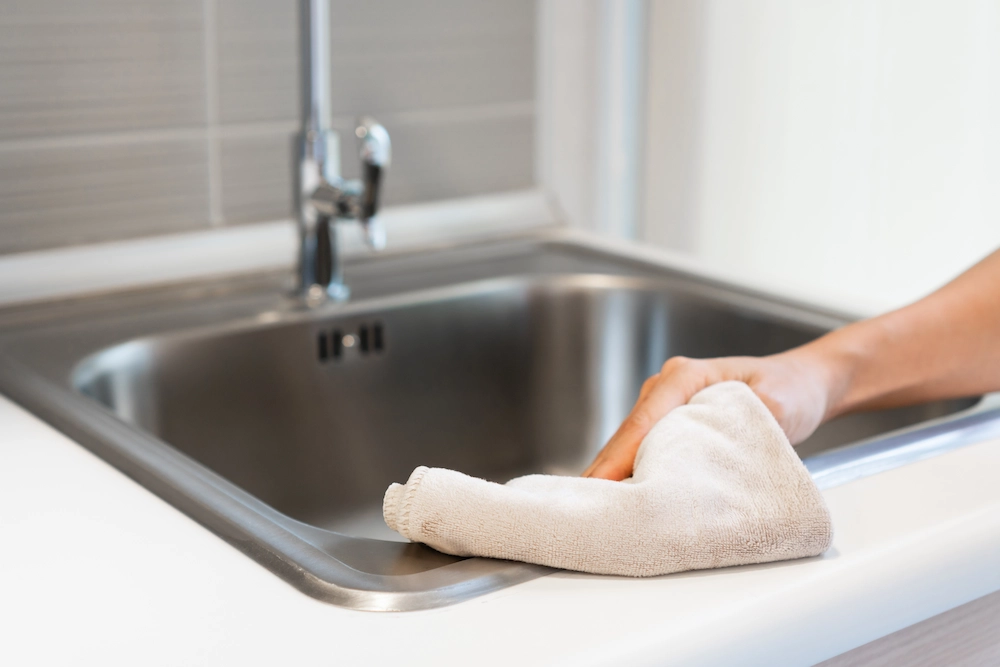
Some homeowners prefer natural ant removal tips as part of their pest control approach. While these methods may not eliminate large colonies on their own, they can help reduce activity and discourage ants from entering certain areas.
Common natural options include:
- Using vinegar solutions to disrupt ant trails
- Applying lemon juice or essential oils near entry points
- Keeping surfaces clean and dry to remove scent markers
- Removing food sources consistently
These methods work best when combined with other prevention strategies such as sealing entry points and eliminating moisture.
When to Consider Professional Ant Control
If ant activity continues despite your efforts, it may be time to consider professional help. Odorous house ants can form large colonies, sometimes with multiple nesting sites, which makes them difficult to eliminate completely without targeted treatment.
Pest control professionals can identify nesting areas, determine the extent of the infestation, and apply solutions designed to address the root of the problem. Professional services can also provide guidance on preventing future infestations.
Keeping Your Home Ant-Free
Getting rid of odorous house ants requires a combination of cleaning, maintenance, and prevention. By removing food and moisture sources, sealing entry points, and monitoring for early signs, you can reduce the chances of recurring issues.
Consistent effort is key to long term success. With the right approach, you can get rid of odorous house ants and maintain a cleaner, more comfortable home environment. Contact us for a free quote on our efficient ant control services today!
Citations
Lupo, L.J. (2024, June 6). How to get rid of odorous house ants. The Spruce. Available at https://www.thespruce.com/getting-rid-of-stinky-house-ants-2656358 (Accessed on April 13, 2026).