
Summary: Wasps grow more aggressive in late summer as colonies peak in size and worker wasps shift their focus to sugary food. This guide explains why stings spike this time of year, where St. Louis homeowners are most likely to find nests, and why are wasps so mean in late summer.
__________________________________________________________________________________________________________________________________
If wasps seem more aggressive around your St. Louis or O’Fallon backyard right now than they were in June, it is not your imagination. Late summer is when wasp colonies reach their peak population and, at the same time, start running out of the food sources that kept them calm all season.
Understanding why wasps get so mean in late summer makes it easier to avoid the stings that tend to spike this time of year, and to recognize when a nest needs professional attention rather than a DIY spray.
The Colony Has Nothing Left to Do
Earlier in the summer, worker wasps spend most of their time hunting insects to feed the growing larvae back at the nest. By late summer, the queen slows or stops laying new eggs, which means there are far fewer larvae left to feed. Worker wasps that spent all season on a job suddenly have very little to do, and with less larval feeding to occupy them, they turn their attention toward food for themselves, which is usually sugar.
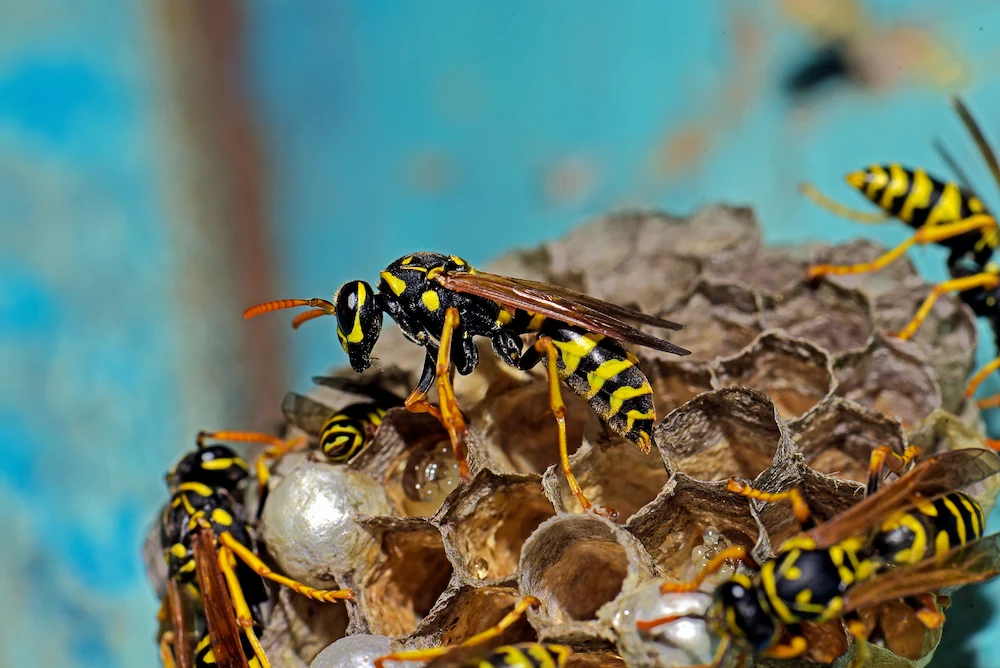
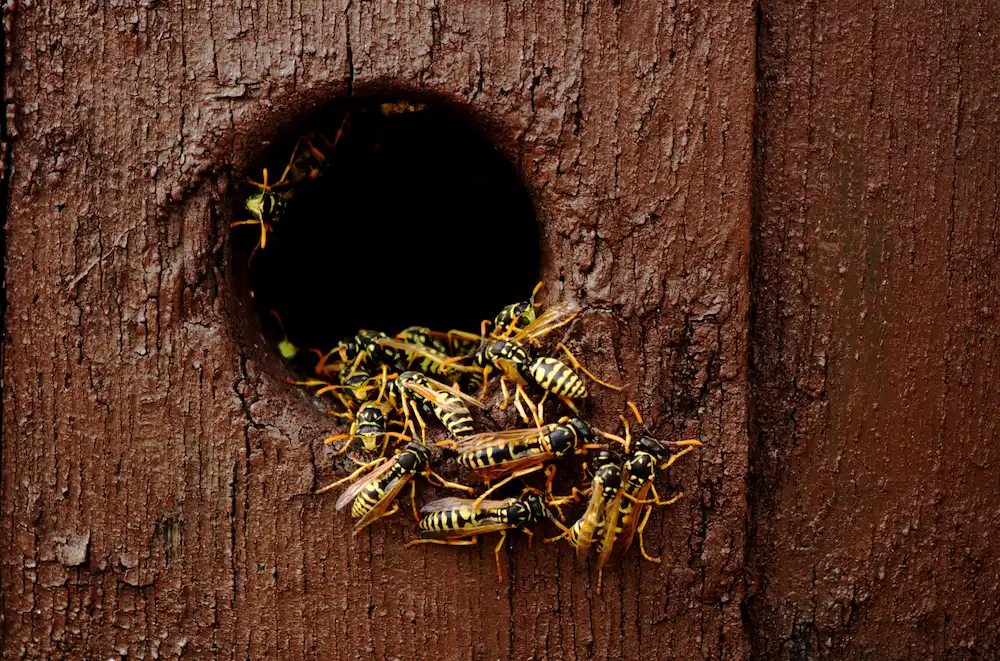
Paper wasps and yellowjackets, the two species most St. Louis area homeowners deal with, respond to this shift a little differently. Yellowjacket colonies tend to grow larger than paper wasp colonies and often nest underground or inside a wall void, which makes them both more numerous and easier to disturb by accident during routine yard work.
This is why late summer wasps show up around soda cans, fruit trees, trash cans, and picnic tables far more than they did in spring. They are drawn to the same sugary smells that used to barely register with them, and they will defend a food source aggressively once they find one. Combine that with a colony that may already have thousands of members packed into a single nest, and it is easy to see why late summer stings happen more often than at any other point in the season.
The shift in foraging behavior also changes where wasps tend to show up. A colony still focused on hunting insects stays closer to garden areas with more insect activity, while a colony focused on sugar sends workers further out to reach trash cans, fruit trees, and outdoor gatherings, which is part of why sightings seem to spread across a wider stretch of yard by late summer.
The Nest Is Also Much Larger by Now
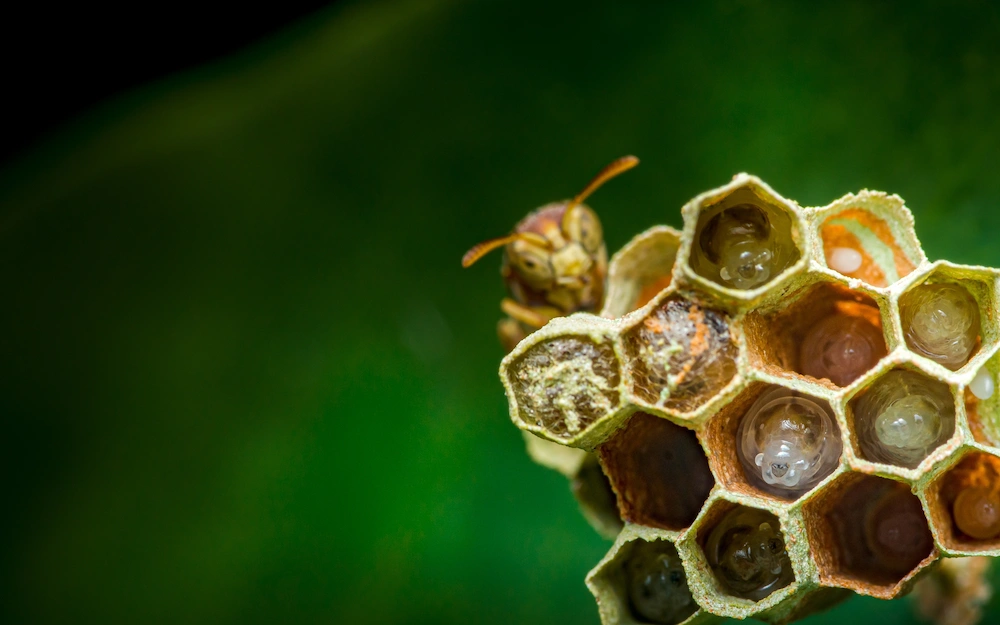
A wasp nest that started as a handful of cells in the spring can grow into a structure holding hundreds or even thousands of wasps by late summer. A larger colony has more to protect, and workers respond faster and in greater numbers to anything they perceive as a threat near the nest. This is part of why a nest that seemed harmless in June can suddenly feel dangerous to walk past in August or September.
- Under eaves, deck railings, and porch ceilings.
- Inside unused grills, mailboxes, or outdoor furniture.
- Along fence lines and in dense shrubs.
- Inside wall voids accessed through small exterior gaps.
- In the ground near patios, gardens, or compost piles.
Reducing the Risk Around Your Yard
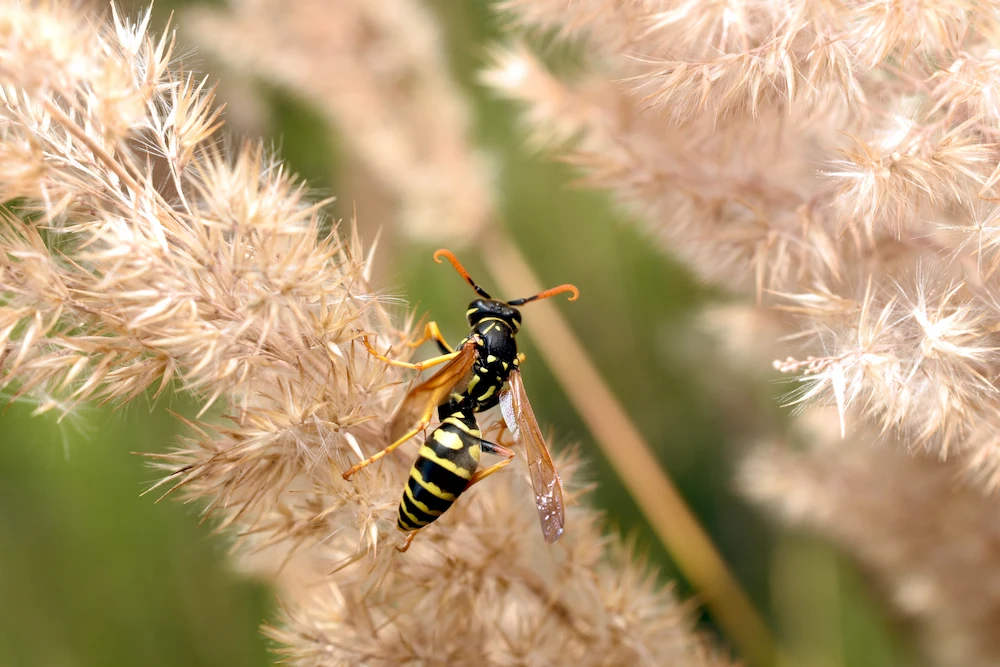
Keeping sugary drinks and food covered outdoors, checking outdoor furniture and grills before using them, and walking the yard periodically to check for new nest activity all reduce the odds of an unexpected encounter. Wasps are far less likely to sting when they are not startled or provoked, so slow, deliberate movement near any suspected nest matters more this time of year than in early summer.
Underground yellowjacket nests are worth special caution during any late summer yard work. Mowing over a hidden entrance or stepping too close while gardening is one of the more common ways homeowners end up with multiple stings at once, since the vibration and disturbance can trigger a defensive response from dozens of workers simultaneously rather than just one or two.
A can of wasp spray might handle a small, new nest in spring, but a mature late summer colony often has multiple entry points and enough workers to overwhelm a single spray attempt. Disturbing a large nest without fully eliminating it can provoke a swarm response rather than solving the problem, which is why homeowners across the St. Louis area often reach out for help once a nest gets to this size rather than risk handling it directly.
A partial removal attempt can sometimes make matters worse rather than better, since surviving workers tend to become more defensive after a colony has already been disturbed once. This is a common way a routine yard task turns into a painful surprise, when a homeowner assumes a nest has been handled after a single spray attempt.
Why the Aggression Eventually Fades
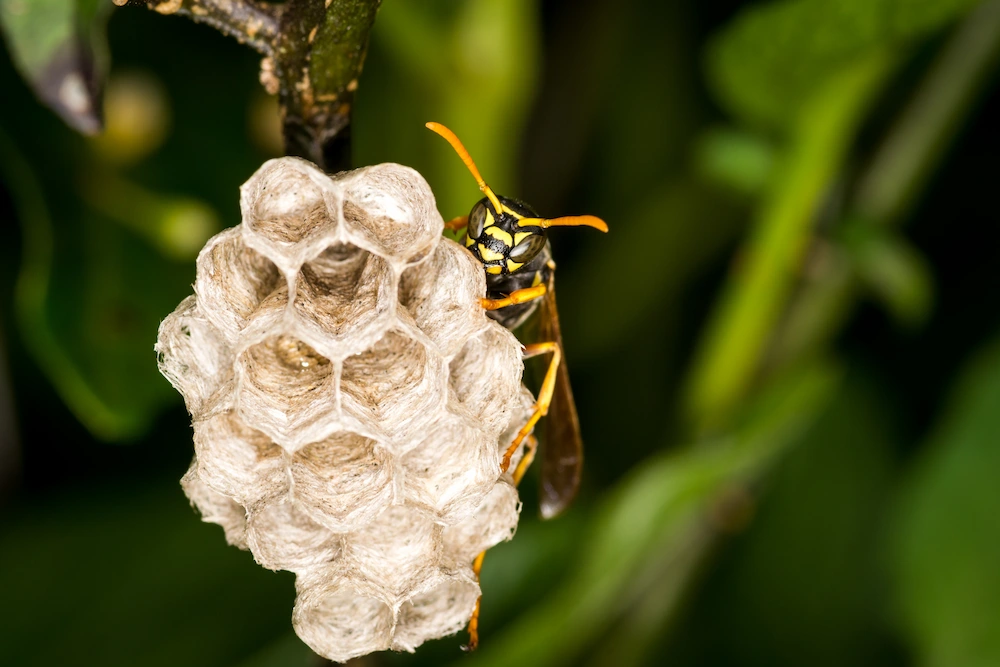
Wasp aggression typically peaks through late summer and into early fall before the first hard frost kills off the colony, with only new queens surviving to start fresh nests the following spring. Until then, treating every nest with caution, especially ones near doors, patios, or walkways, is the safest approach for any household in St. Louis, O’Fallon, or the surrounding suburbs.
Homes closer to wooded lots or with a lot of dense landscaping tend to see nests grow larger and stay hidden longer, simply because there are more places for a colony to build undisturbed through the summer. Checking those areas specifically before the season winds down is worth the extra few minutes.
Newly mated queens spend the winter dormant in protected spots like woodpiles, siding gaps, or leaf litter before emerging in spring to start an entirely new colony. This is why removing an active nest in late summer does not guarantee a wasp free yard the following year, since a queen from that same colony may already be tucked away nearby waiting out the cold.
Get the Nest Handled Before It Gets Worse
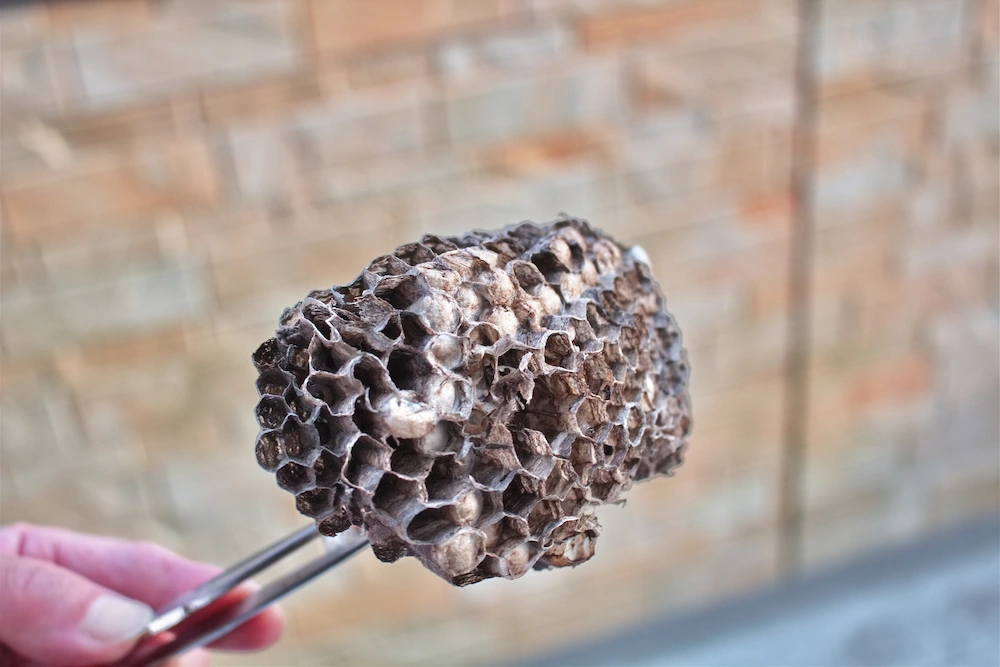
A wasp nest is rarely something that gets smaller or calmer on its own once late summer arrives. The safest move is usually to have it removed rather than provoke thousands of defensive workers with a store bought spray.
Pointe Pest Control’s residential pest control services can remove a nest safely, which matters more this time of year given how large and defensive a late summer colony can be. If wasp activity around your property feels like more than you want to manage yourself, our St. Louis pest control team can help before someone gets stung.
A single visit can also check the rest of the property for additional nests that may not be as visible as the one already found, since it is common for more than one colony to be active on the same property by late summer. Contact us for a free quote on our efficient wasp control services today!
Citations
Sweetser, R. (2026, August 12). Why yellow jackets and wasps are so aggressive in late summer. The Old Farmer’s Almanac. Available at https://www.almanac.com/why-bees-are-aggressive-late-summer-and-fall (Accessed on September 11, 2026).