
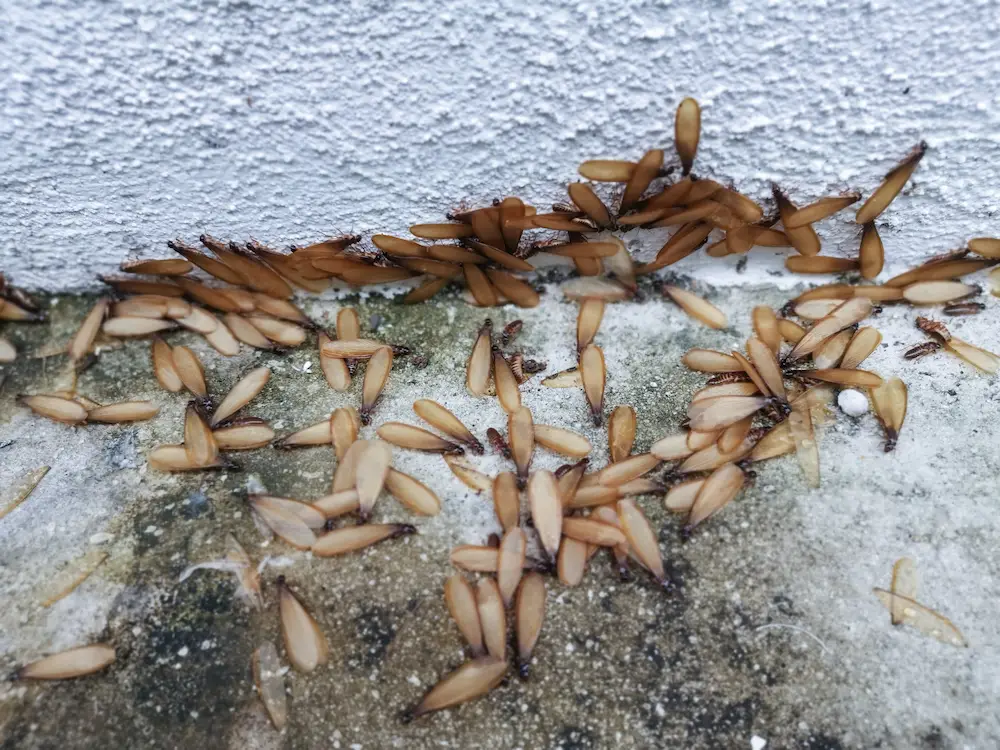
Summary: This article explains why spring marks the start of termite season, what termite swarmers mean, and how homeowners can reduce the risk of new termite colonies forming.
__________________________________________________________________________________________________________________________________
As temperatures begin to rise and spring rain arrives, many homeowners start noticing winged insects around windows, doors, or outdoor lights. In many cases, these insects are termite swarmers, and they signal the beginning of termite season.
Understanding termite behavior during this time of year is important for protecting your home. Swarming termites are not just random insects. They are reproductive members of a colony looking for a new place to start a nest. When homeowners see them, it can indicate that termites are active nearby.
When Termite Season Starts
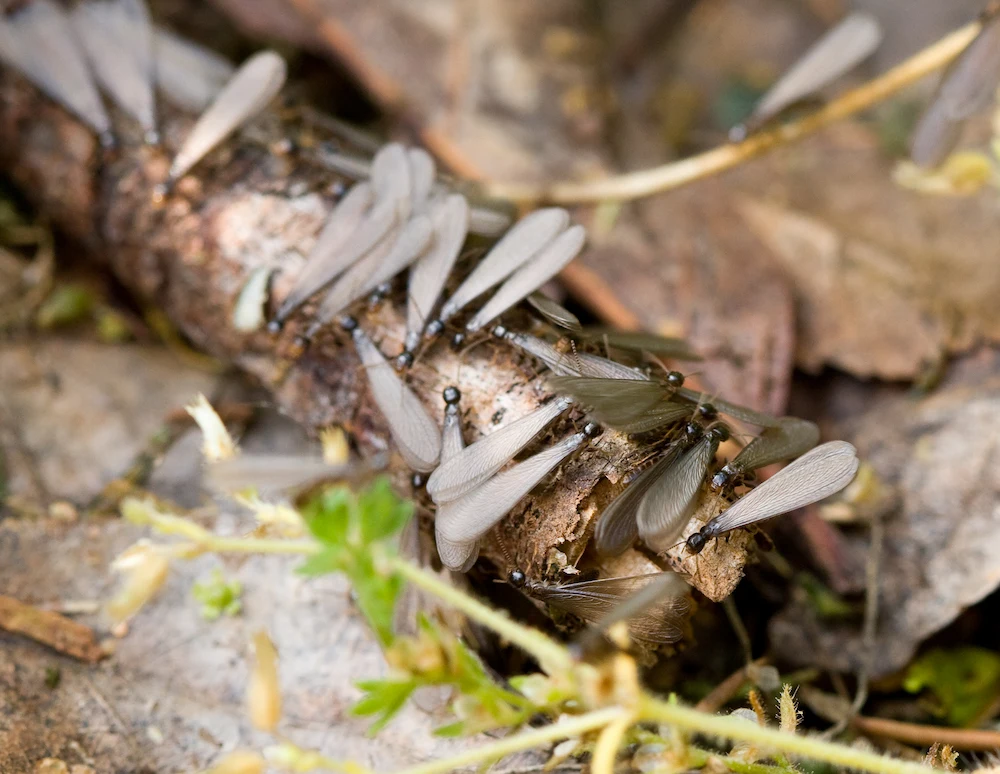
In most parts of the United States, termite activity increases as temperatures warm in early spring. This period marks when termite season starts, especially for subterranean termites that live in the soil. Moist conditions and moderate temperatures create ideal conditions for swarming.
During this time, mature colonies release winged termites known as swarmers. Their goal is to leave the original colony, mate, and establish new colonies in nearby areas. This natural cycle is why homeowners often see sudden bursts of winged termites around the same time each year.
Why Termites Swarm in Spring

Spring weather plays a major role in triggering termite activity. Warmer temperatures combined with increased humidity create the perfect environment for termites to reproduce and expand their colonies.
When termites swarming in spring appear, it usually means the colony has reached maturity and is producing reproductive termites. These swarmers leave the nest in large numbers and search for suitable locations with moisture and wood. If they find the right environment, they shed their wings and begin forming a new colony.
Signs of Termite Swarmers Around Your Home
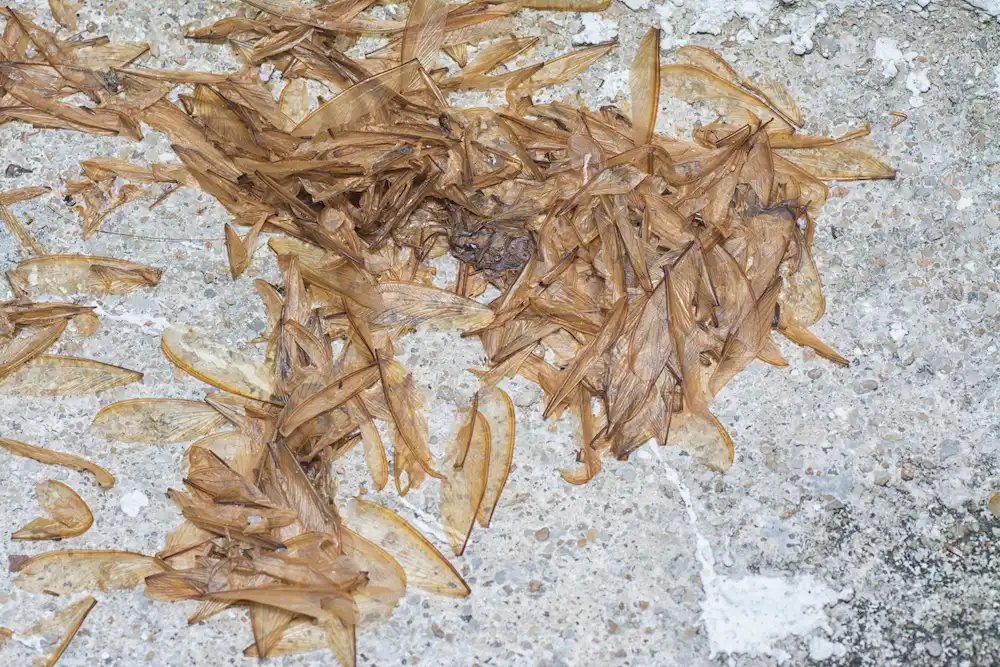
Swarming termites can sometimes be mistaken for flying ants, but there are several differences homeowners can watch for. Identifying termite swarmers early can help prevent serious damage to your home.
Common signs of termite swarmers include:
- Groups of winged insects appearing near windows or lights
- Piles of discarded wings on window sills or floors
- Mud tubes along foundations or basement walls
- Small cracks in wood that appear hollow or damaged
These signs often appear during termite swarming season. Even if the swarm happens outdoors, it can still indicate that a termite colony exists somewhere nearby.
Why Termite Season Increases Risk for Homeowners
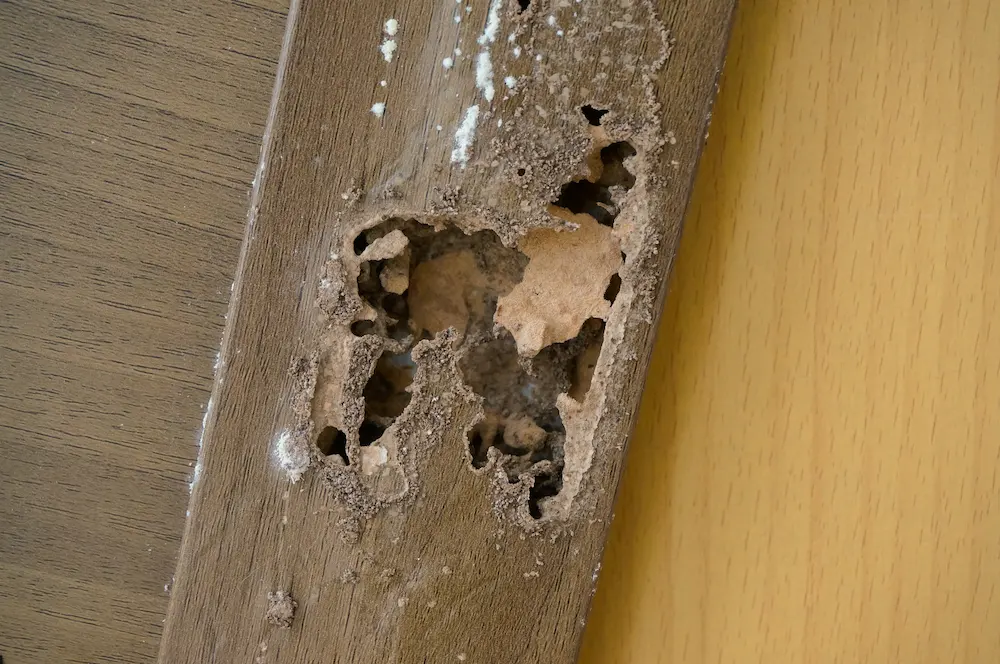
Spring termite season increases the chances of new colonies forming around homes. Swarmers are searching for moisture, soil contact, and wood sources. Houses often provide the perfect environment for these conditions.
Once a new colony is established, termites can slowly begin damaging structural wood. Because termite activity usually happens out of sight inside walls or foundations, homeowners may not notice the problem until damage becomes extensive.
How to Reduce Risk During Termite Swarming Season

Homeowners can take several steps to make their property less attractive to termites during spring termite season. Preventive maintenance and regular inspections are key to reducing risk.
Helpful prevention steps include:
- Fixing leaks around plumbing, roofs, and foundations
- Keeping mulch and soil from touching wooden siding
- Storing firewood away from the house
- Improving drainage to prevent excess moisture near the foundation
Professional inspections are also one of the most reliable ways to catch termite activity early. Pointe Pest Control offers termite inspection and treatment services designed to stop colonies before they cause serious damage. Learn more here.
Homeowners in the region can also explore local termite services here.
Conclusion
Termite swarming season is a natural part of the termite life cycle, but it can also be a warning sign for homeowners. Seeing termite swarmers often means colonies are active nearby and may be searching for new places to establish nests.
By understanding termite season and recognizing the signs of termite swarmers, homeowners can take action early and protect their property from serious structural damage. Contact us for a free quote today!
Citations
Webb, D. (2024, April 8). Termite swarms: The good, bad and ugly. Pest Control Technology. Available at https://www.pctonline.com/article/termite-swarms-the-good-bad-and-ugly/ (Accessed on March 11, 2026).