
Summary: This article explains termite colony structure, including the different termite castes and the roles workers, soldiers, queens, and swarmers play within a colony.
__________________________________________________________________________________________________________________________________
Termites may be small, but their colonies operate with incredible organization. Each termite has a specific job that helps the colony survive and grow. Understanding termite colony structure can help homeowners better recognize why termite infestations are so difficult to eliminate once established.
A termite colony functions almost like a single living system. Different groups of termites work together to gather food, defend the nest, reproduce, and expand the colony. This division of labor allows colonies to thrive for years while often remaining hidden inside walls, foundations, or underground.
How Termite Colonies are Organized
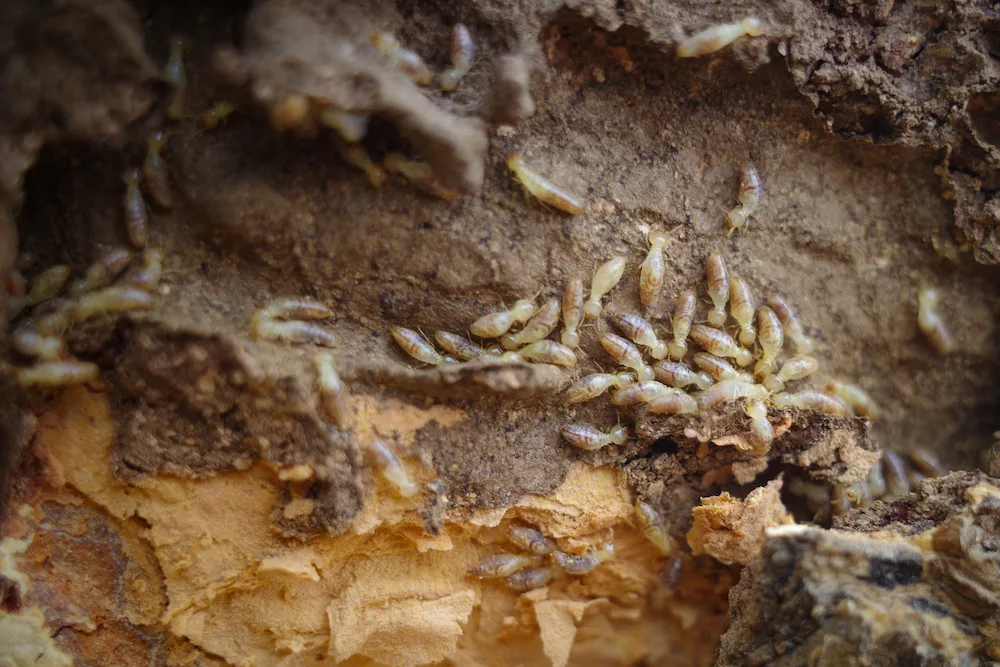
Scientists studying how termite colonies are organized have identified a caste system that assigns different responsibilities to different termites. Each caste has unique physical characteristics and behaviors designed for specific tasks.
Most colonies contain workers, soldiers, and reproductive termites. Together, these groups form a highly efficient social structure that supports the entire colony. The size of a colony can range from a few thousand termites to several million depending on the species and age of the colony.
Worker Termites: The Colony’s Labor Force
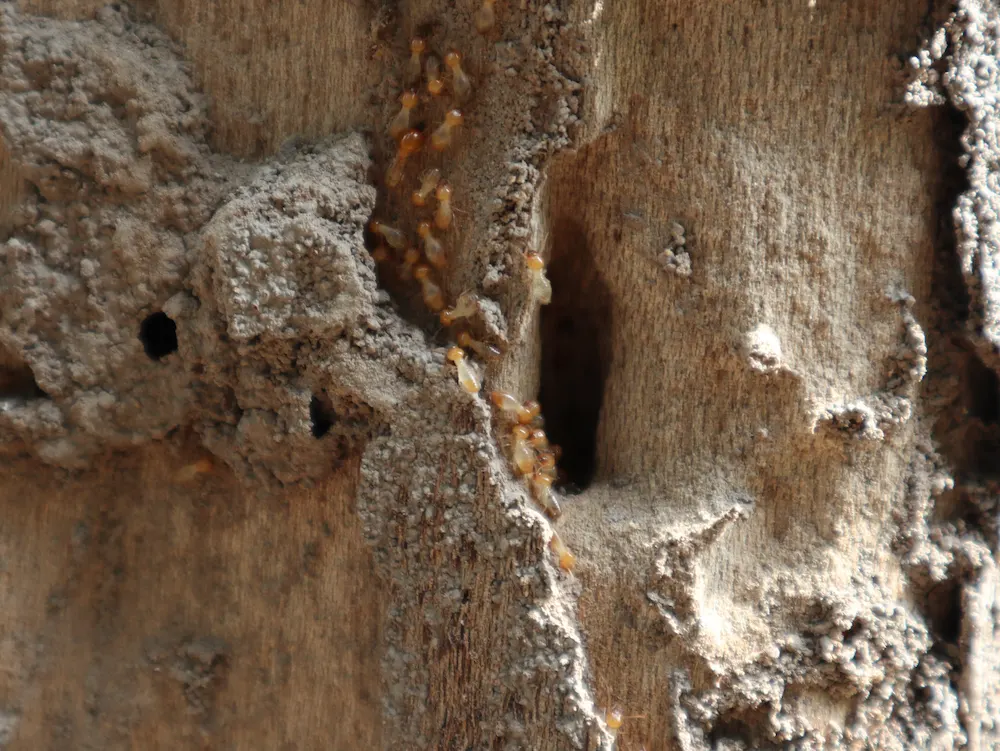
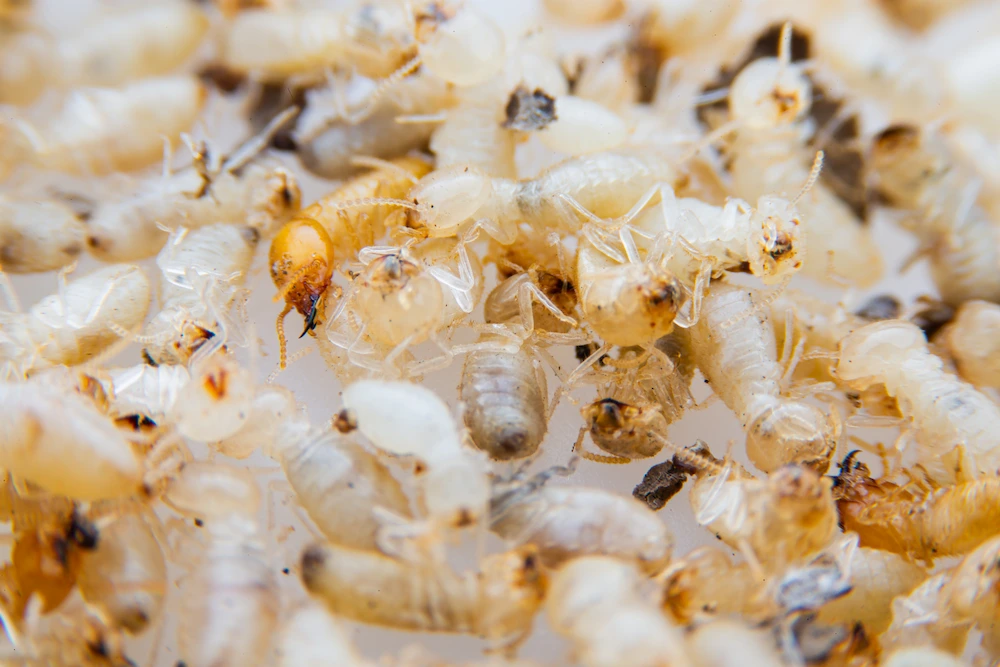
Worker termites make up the majority of the colony population. These termites are responsible for nearly all daily maintenance and survival tasks within the nest.
Workers gather food, feed other termites, care for eggs, build tunnels, and maintain the nest structure. Because worker termites are constantly feeding on wood and cellulose materials, they are primarily responsible for the damage homeowners see during infestations.
In many species, worker termites are pale, soft-bodied, and avoid direct exposure to light. They spend most of their time hidden inside wood, mud tubes, or underground tunnels.
Soldier Termites and Colony Defense
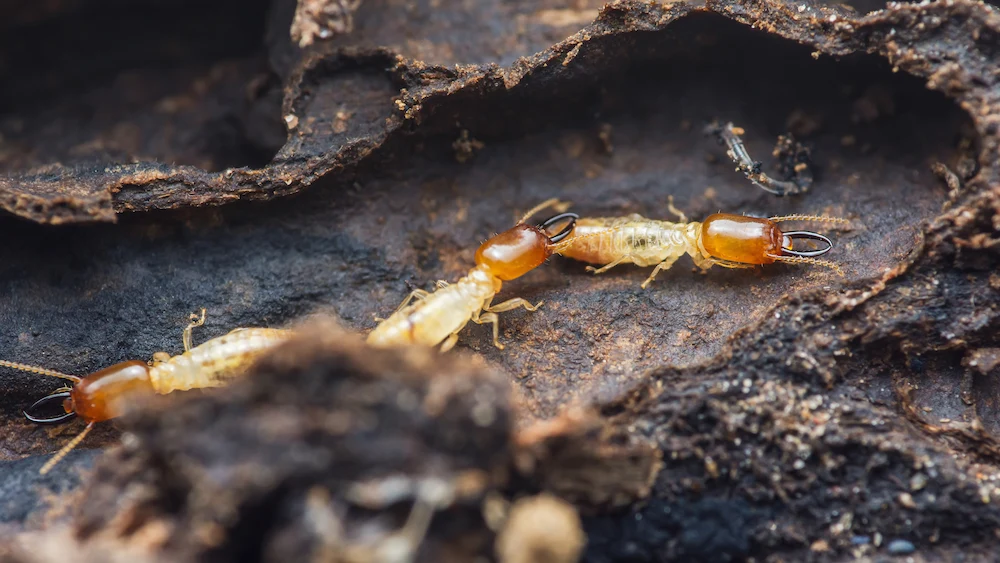
Among the most important termite castes and roles are soldier termites. Their primary responsibility is protecting the colony from predators such as ants and other invading insects.
Soldier termites have enlarged heads and powerful mandibles designed for defense. Some species can even release defensive chemicals to help repel threats. Unlike workers, soldiers cannot feed themselves and rely on worker termites to provide food.
This defensive system helps explain why termite colonies can survive for long periods even when facing environmental threats or partial treatment attempts.
Queen Termites and Reproduction
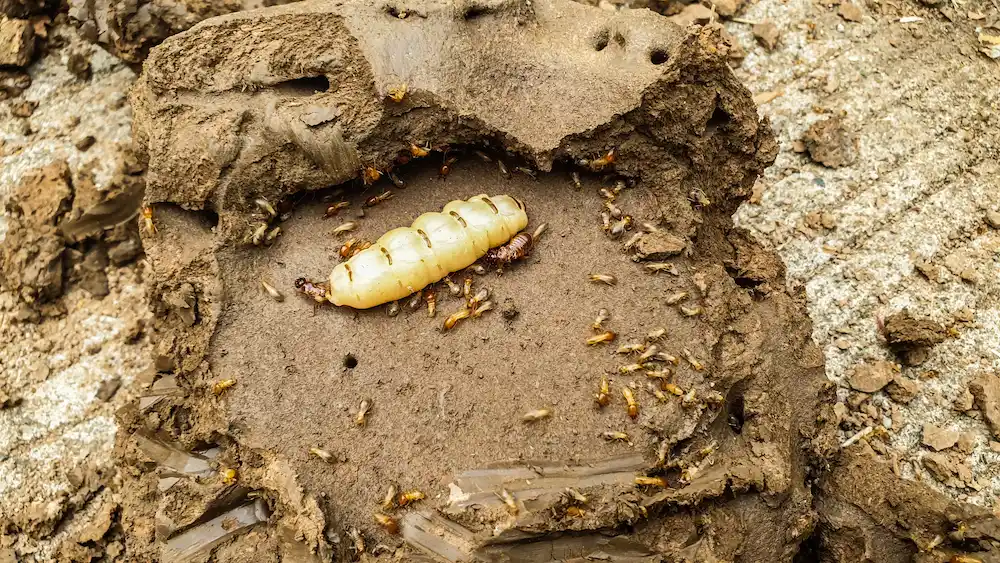
The queen termite plays the most important reproductive role within the colony. In mature colonies, the queen can produce thousands of eggs over time, helping the colony continue to grow rapidly.
When discussing worker soldier and queen termites, the queen stands out because of her size and lifespan. Some queens can live for many years while continuously laying eggs. The king termite remains nearby and continues helping with reproduction throughout the colony’s life.
As colonies mature, they may also produce winged reproductive termites called swarmers. These termites leave the colony during swarming season to establish entirely new colonies nearby.
Types of Termites in a Colony
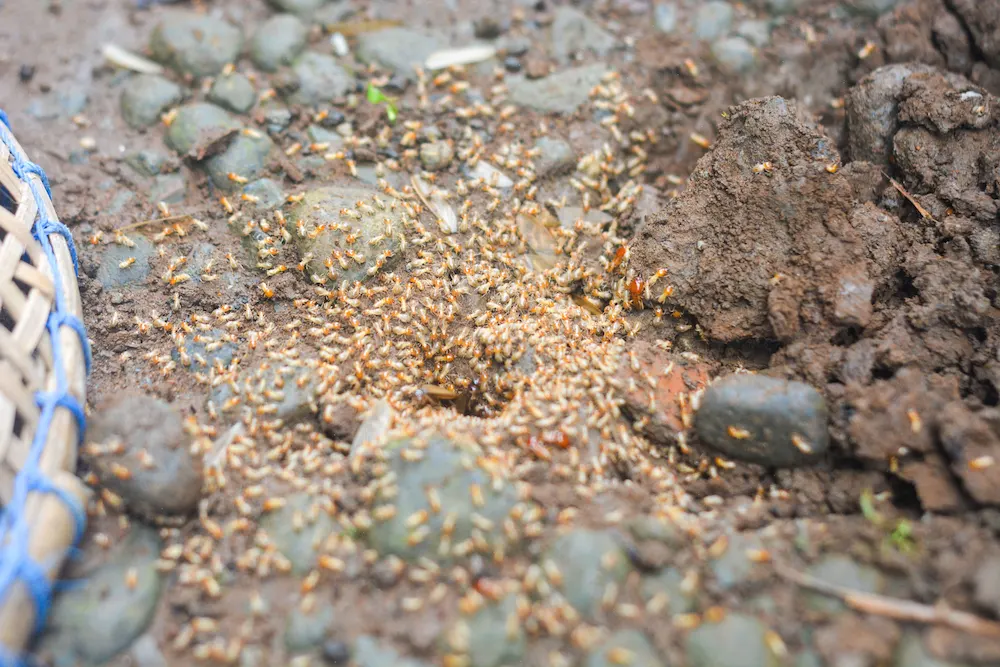
There are several types of termites in a colony, and each one contributes differently to survival and expansion. Although roles may vary slightly depending on species, most colonies follow a similar structure.
Common termite groups include:
- Worker termites that gather food and maintain tunnels
- Soldier termites that defend the colony
- Queen and king termites responsible for reproduction
- Swarmers that leave to start new colonies
This organized system allows termite colonies to adapt efficiently and continue expanding over time.
Understanding Termite Colony Hierarchy
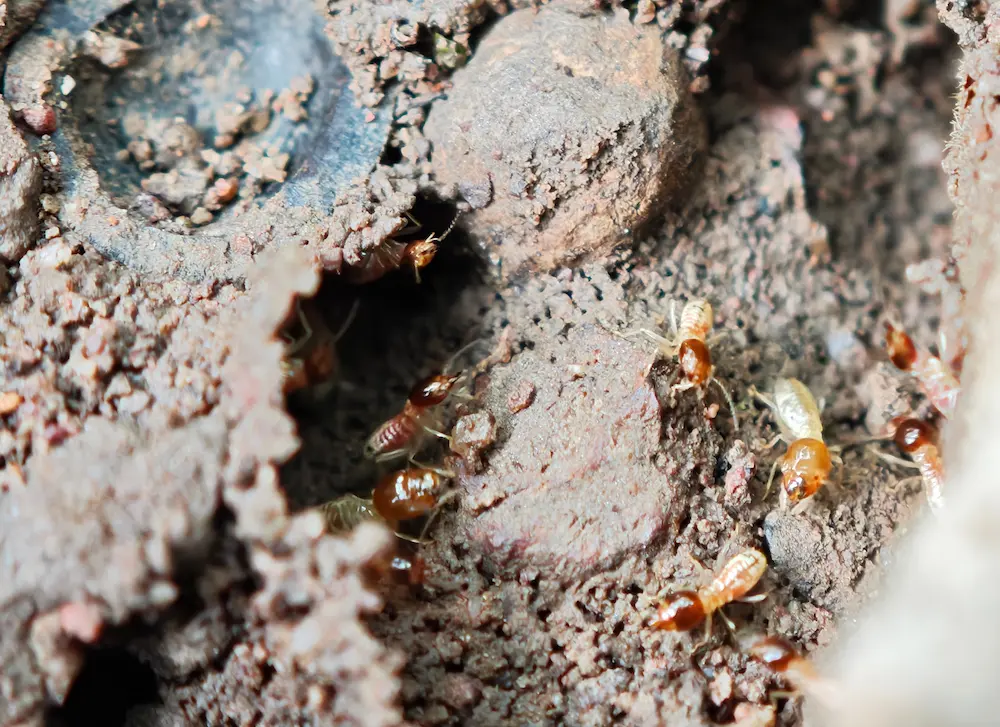
The termite colony hierarchy helps colonies function smoothly and efficiently. Each caste depends on the others for survival, creating a highly connected system that can be difficult to disrupt without professional treatment.
Because termite colonies often remain hidden behind walls or underground, homeowners may not realize the colony has grown large until structural damage becomes visible. Early inspections are important because colonies can continue expanding silently for years.
Professional treatment helps target termites at the colony level rather than simply eliminating visible termites. Pointe Pest Control offers professional termite control services designed to locate active colonies and stop further damage before infestations worsen.
Homeowners can also explore St. Louis termite control services to learn more about local termite protection and prevention strategies.
Conclusion
Understanding termite colony structure provides valuable insight into how termites survive, reproduce, and spread throughout homes and buildings. Workers, soldiers, queens, and swarmers all play specialized roles that keep the colony functioning efficiently.
By learning about termite castes and roles, homeowners can better recognize the importance of early termite detection and professional treatment before colonies cause significant structural damage. Contact us for a free quote on our effective termite control services today!
Citations
Webb, D. (2026, February 4). How termite colonies are formed. Terminix. Available at https://www.terminix.com/termites/colonies/ (Accessed on May 21, 2026).