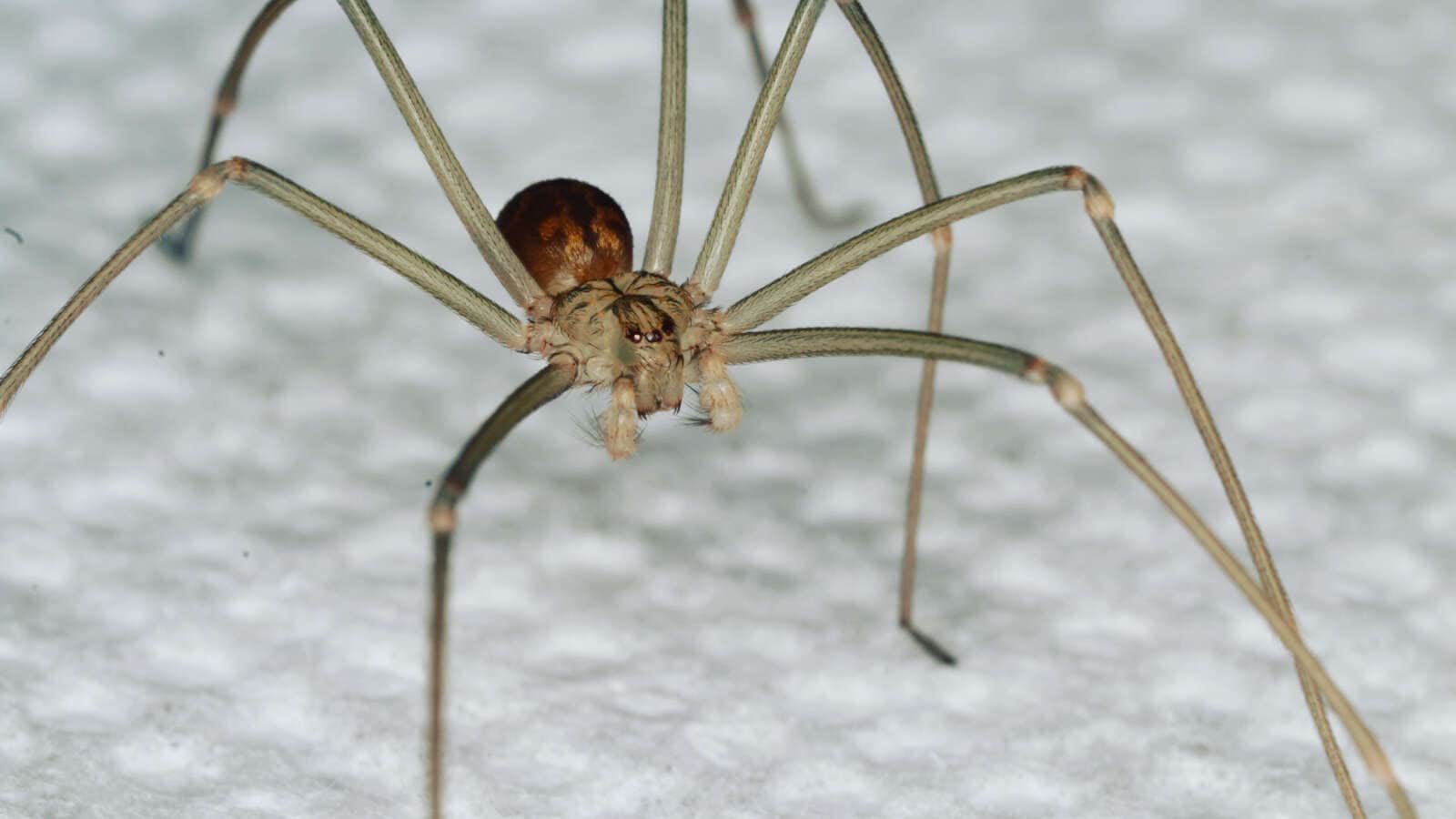


Summary: This article provides practical pest prevention strategies for busy homeowners, including quick cleaning routines, moisture checks, food storage, clutter control, and simple pest inspections that fit into an existing schedule.
__________________________________________________________________________________________________________________________________
Between work, errands, family responsibilities, and everything else packed into the week, pest prevention probably is not at the top of your daily to-do list. The good news is that keeping pests away does not require hours of cleaning every day.
Learning how to prevent pests with a busy schedule is mostly about building small habits into things you already do. A five-minute kitchen cleanup, quickly checking for standing water, or taking out the trash before bed can remove the food, water, and shelter that attract pests in the first place.
Why Small Pest Prevention Habits Matter
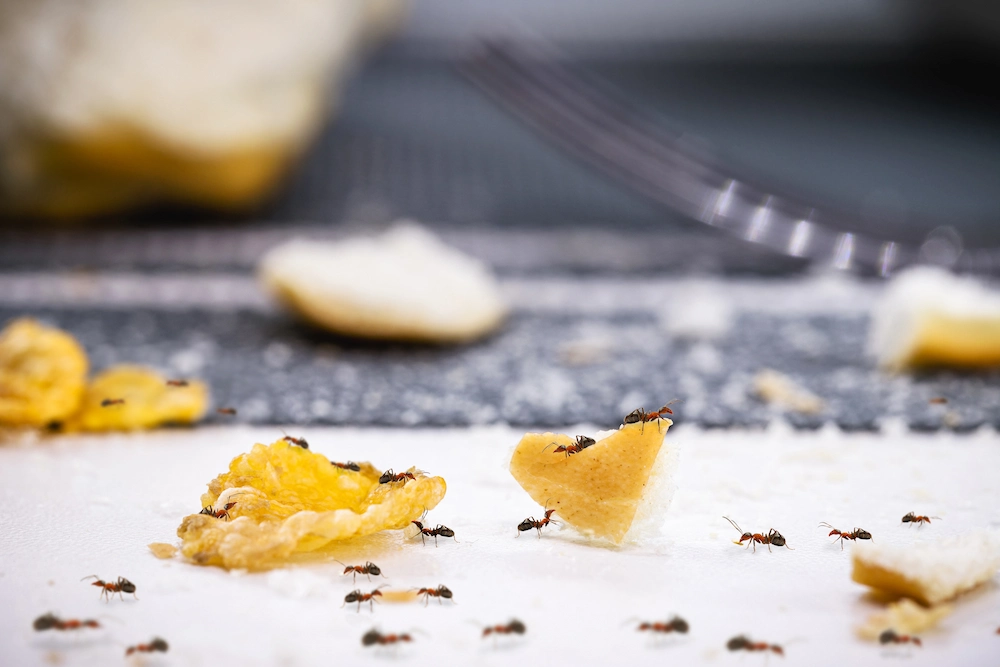
Pests do not necessarily need a dirty home to survive. Ants can find tiny food crumbs, cockroaches can take advantage of moisture beneath a sink, and rodents can settle into cluttered areas that rarely get disturbed.
That means prevention does not have to involve cleaning the entire house at once. Short, consistent tasks can address potential pest attractants before they have time to become bigger problems.
Focus on Food, Water, and Shelter
Most household pests are searching for the same basic resources. Food gives them a reason to enter, moisture helps them survive, and protected spaces provide places to hide or reproduce.
When time is limited, prioritize removing these three resources. It is a much more manageable approach than trying to keep every room spotless all the time.
Use Five-Minute Breaks for Quick Cleaning
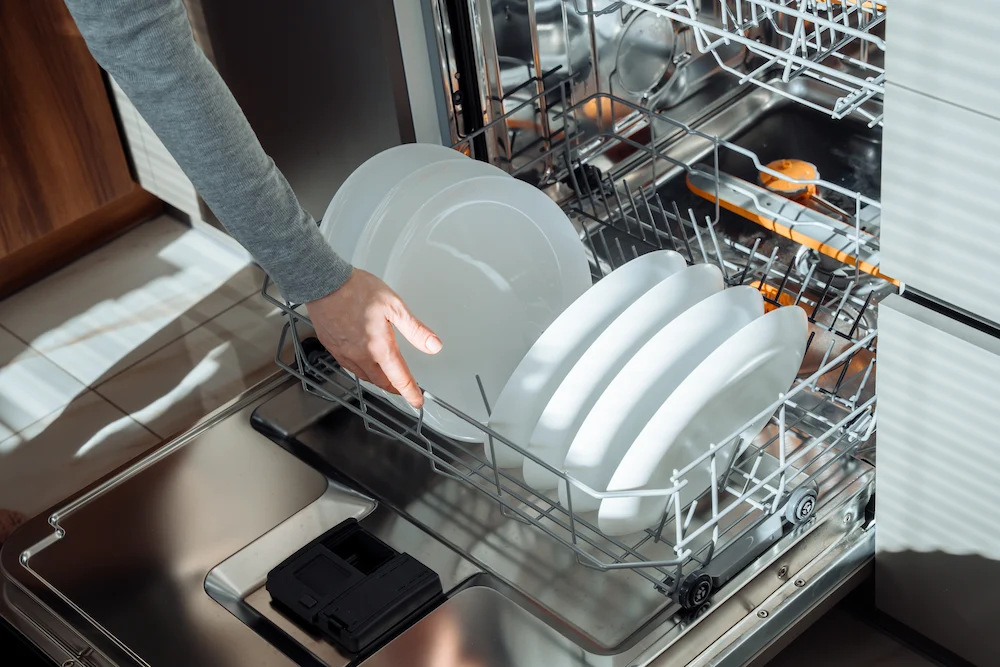
Small pockets of downtime can be surprisingly useful for pest prevention. Waiting for dinner to finish cooking or having a few minutes before leaving the house is enough time to complete one quick task.
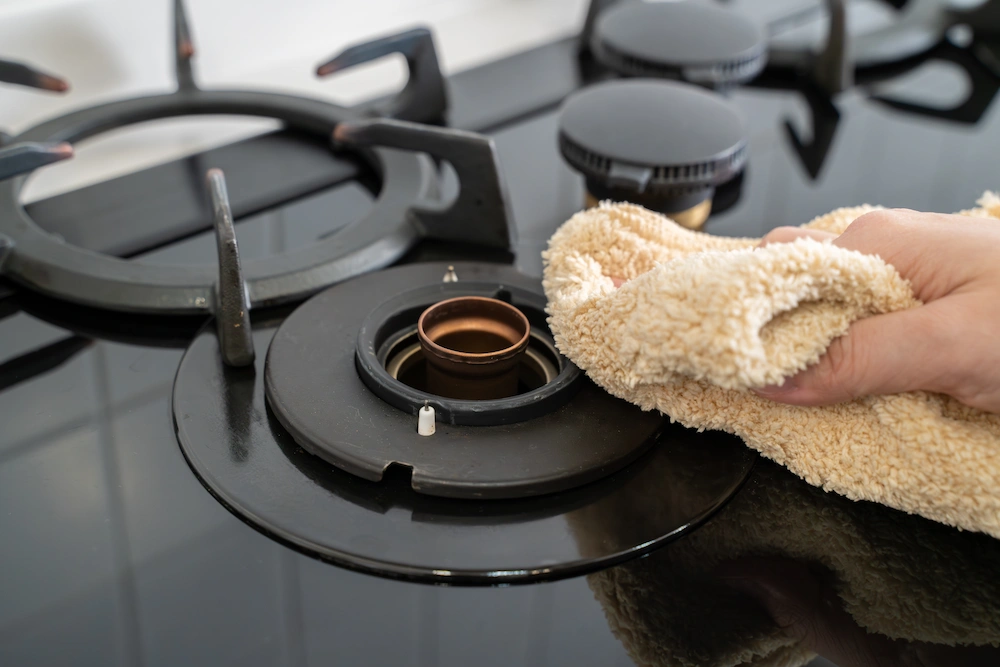
Wipe kitchen counters, sweep visible crumbs, load dirty dishes, or clean a sticky spill. These small jobs remove food residue that might otherwise attract ants, cockroaches, flies, and other insects overnight.
Do Not Wait For a Full Cleaning Day
Putting every household chore aside for one major cleaning session can allow food residue and clutter to sit untouched for days. Instead, handle small problems whenever you notice them.
For example, wipe up a spill immediately instead of adding it to a weekend cleaning list. If you notice crumbs beneath the table, spend a minute sweeping them rather than waiting to clean the entire floor.
Make Your Nighttime Kitchen Reset Simple
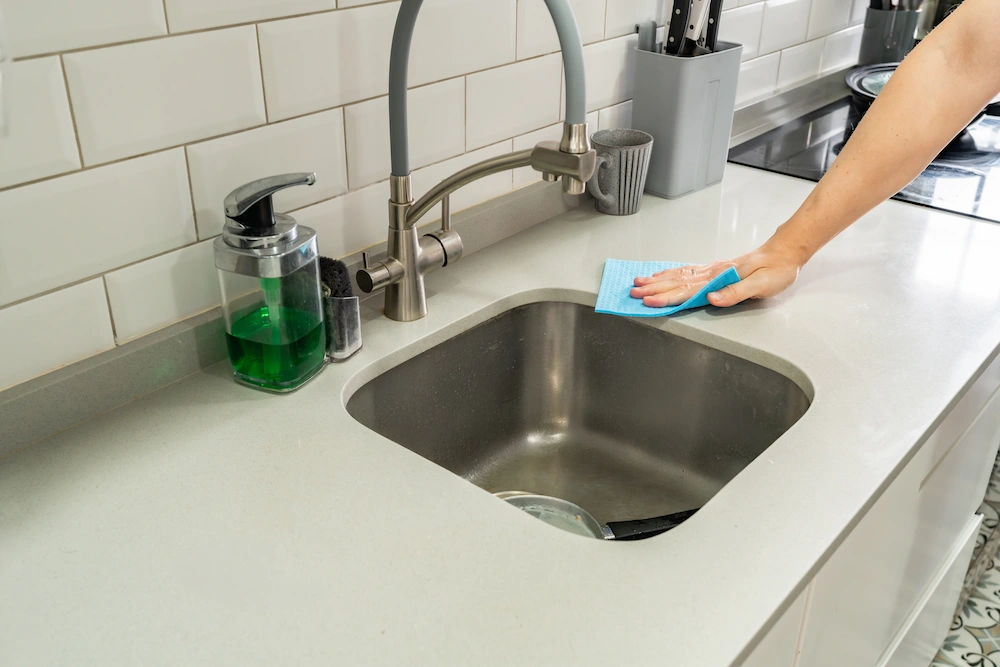
The kitchen is one of the most important areas to prioritize because it offers pests easy access to food and water. Fortunately, you do not need a deep clean every night.
A quick routine before bed can include wiping counters, putting food away, rinsing dishes, and checking the floor for obvious crumbs. If the trash contains food waste or is nearly full, take it outside rather than leaving it overnight.
Keeping pet food sealed and removing leftover food from bowls can also reduce nighttime pest activity.
Handle Moisture Problems as Soon as You Notice Them
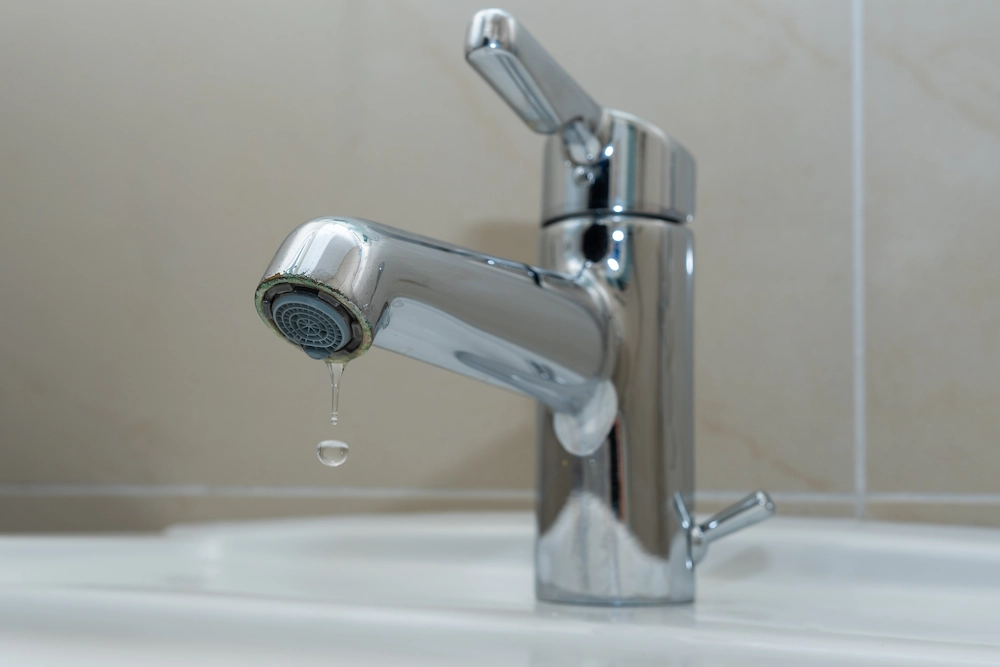
Water can attract pests just as easily as food. Cockroaches, ants, mosquitoes, and other pests can take advantage of leaks or standing water around the property.
You do not need to inspect every pipe every day. Instead, make it a habit to pay attention while completing normal household tasks. Look beneath the sink when grabbing cleaning supplies or check for moisture around appliances while sweeping the kitchen.
Add Outdoor Water Checks to Existing Routines
When you take out the trash, walk the dog, or collect the mail, spend another minute checking the yard for standing water. Buckets, plant saucers, toys, and other containers can collect rainwater.
Emptying them while you are already outside adds almost no time to your routine and can help reduce mosquito breeding areas.
Control Clutter a Little at a Time

Cardboard boxes, piles of paper, crowded closets, and overflowing storage areas create quiet hiding places for insects and rodents. The idea of reorganizing an entire garage or basement can be intimidating when your schedule is already full.
Instead, tackle one small area whenever you have a few minutes. Break down one shipping box, organize one shelf, or throw away one pile of unnecessary papers.
Gradually reducing clutter makes potential pest hiding places easier to inspect and removes areas where pests can remain unnoticed.
Store Food Properly the First Time

One of the easiest ways to save time on pest prevention is to make good storage habits automatic. Pantry staples, snacks, pet food, and bird seed can attract pests when packaging is left open or damaged.
Use tightly sealed containers when practical and close packages immediately after use. This reduces food odors and makes it harder for pantry pests, ants, cockroaches, and rodents to access an easy meal.
Proper storage also means fewer spills and less cleanup later, which is a win for anyone with a packed schedule.
Combine Pest Checks with Chores You Already Do

You do not necessarily need a separate pest inspection routine. Instead, attach simple checks to household tasks that are already part of your week.
For example:
- Check beneath sinks for leaks while replacing trash bags
- Look for droppings or damaged packages while putting away groceries
- Inspect door sweeps while sweeping the entryway
- Check window screens while opening windows for fresh air
- Look for pest activity while moving boxes or seasonal decorations
These quick observations can help you catch problems without adding another major task to your schedule.
Pay Attention to Doors, Windows, and Other Entry Points
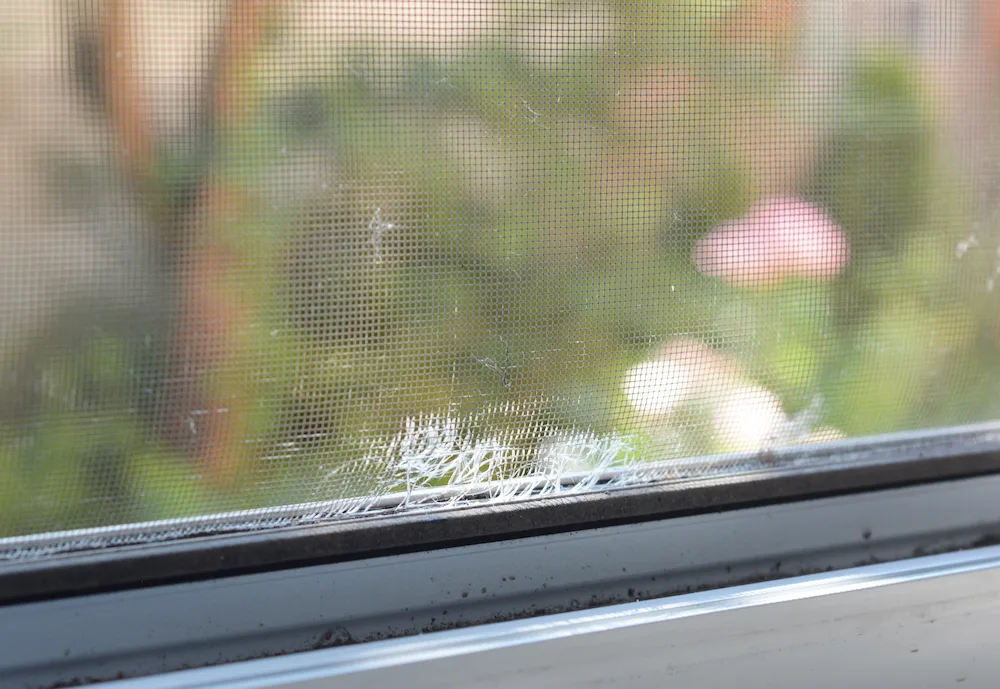
Pest prevention is easier when insects and rodents cannot get inside in the first place. Small gaps beneath doors, torn window screens, foundation cracks, and openings around utility lines can provide entry routes.
You do not need to inspect the entire exterior every week. If you notice a damaged screen or worn weatherstripping during your normal routine, make a note to repair it rather than allowing the opening to remain indefinitely.
Seasonal exterior inspections can also help uncover problems before periods of heavy pest activity.
Know Which Tasks Deserve Immediate Attention
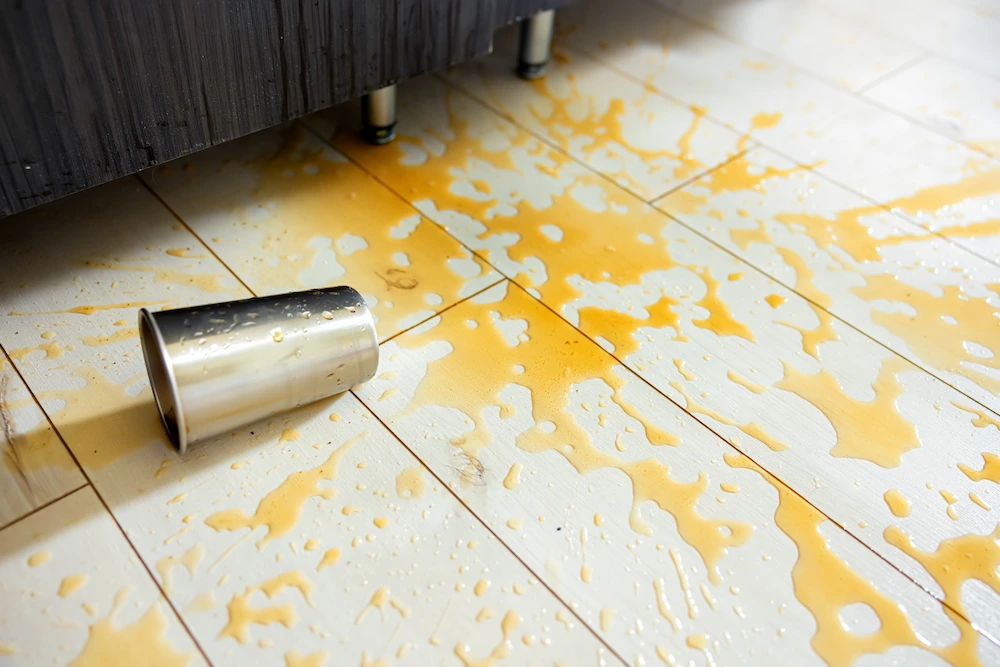
Some pest prevention chores can wait until you have free time. Others are better handled immediately because they provide pests with an easy resource.
Food spills, overflowing trash, plumbing leaks, standing water, and open food containers should move higher on the priority list. Taking a few minutes to handle them now can prevent a much more time-consuming pest problem later.
Let Professional Pest Control Handle the Bigger Jobs
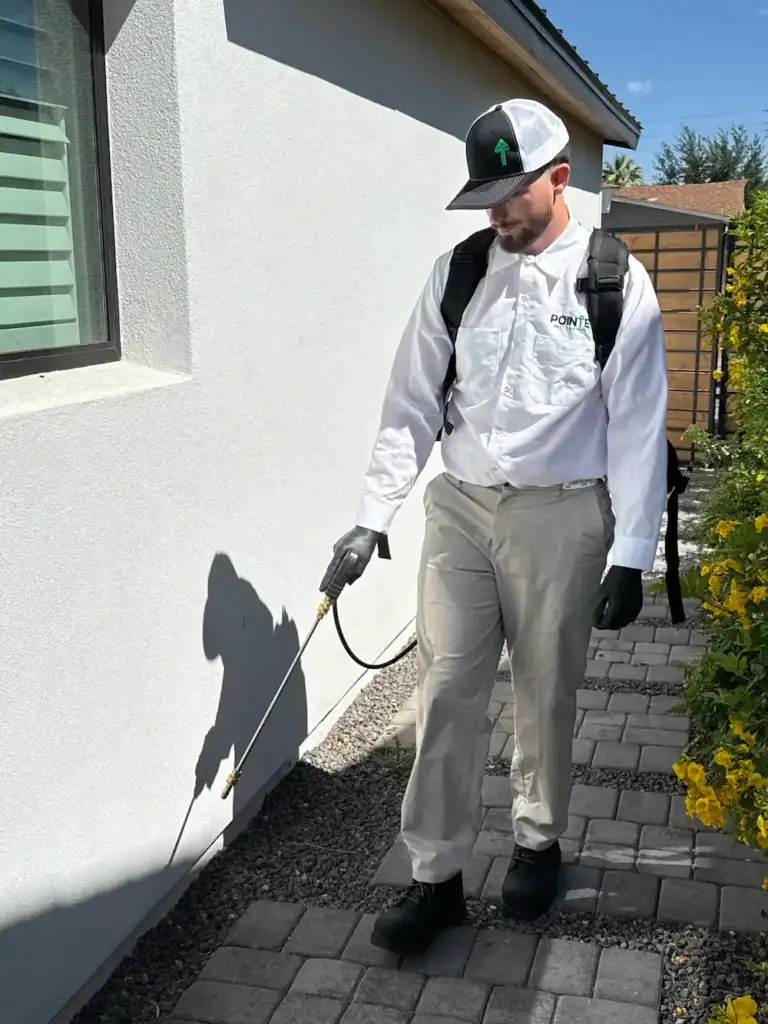
A busy schedule can also make it difficult to inspect every corner of the property for pest activity. If you are repeatedly seeing pests, finding droppings, hearing activity inside walls, or noticing other infestation signs, quick cleaning alone may not solve the underlying problem.
Pointe Pest Control offers professional pest control services that can help identify active infestations and conditions contributing to pest problems. St. Louis area homeowners can also explore St. Louis pest control services for ongoing protection against common local pests.
Professional service can complement the small prevention habits you handle between appointments, giving you a more manageable approach to keeping pests under control.
Conclusion
Pest prevention does not have to become another time-consuming responsibility. A few minutes spent cleaning crumbs, removing standing water, organizing clutter, or checking for leaks can make your home less attractive to pests.
The key to understanding how to prevent pests with a busy schedule is consistency rather than perfection. Fit small pest prevention tasks into routines you already have, address important problems when you notice them, and get professional help when pest activity goes beyond what quick household maintenance can handle. Contact us for a free quote on our effective services today!
Citations
Pest prevention tips for every season: A homeowner’s complete guide. (2025, May 5). Brantley Termite & Pest Control. Retrieved August 12, 2026, from https://pinellastermite.com/pest-prevention-tips-every-season/