
Summary: This article explains the most common cricket entry points around homes, including doors, windows, foundation cracks, garage gaps, and utility openings, along with practical prevention tips.
__________________________________________________________________________________________________________________________________
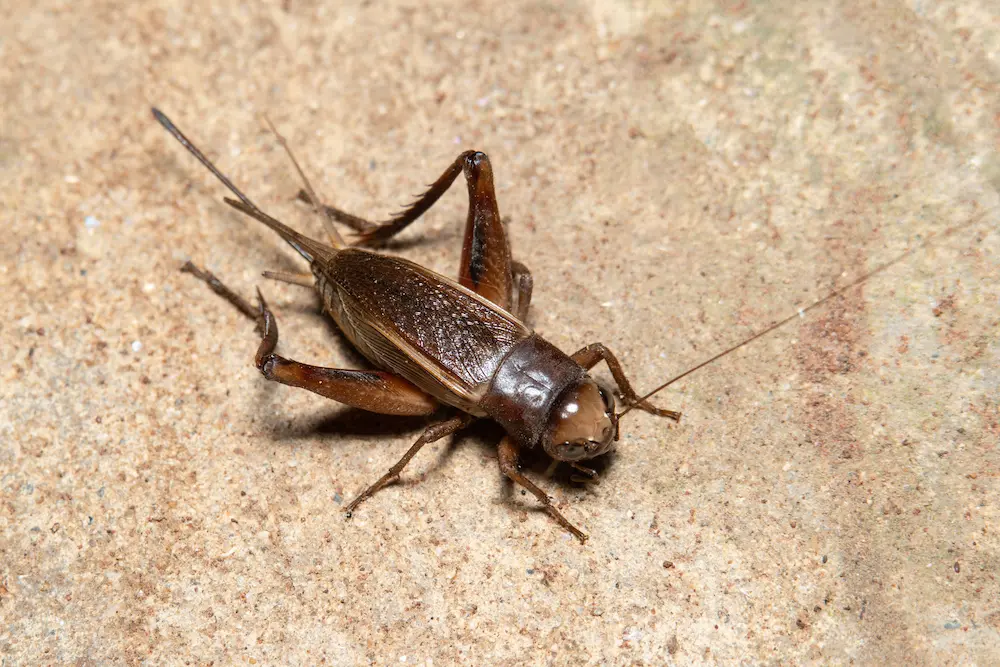
Hearing a cricket chirping somewhere inside the house can be surprisingly frustrating, especially when you cannot figure out how it got there. Crickets are outdoor insects, but they often move indoors while searching for warmth, moisture, food, or shelter.
Understanding the most common cricket entry points can help homeowners stop these pests before they settle into basements, garages, kitchens, or other indoor spaces. In many cases, the problem starts with small gaps that are easy to overlook.
Why Crickets Come Inside Homes
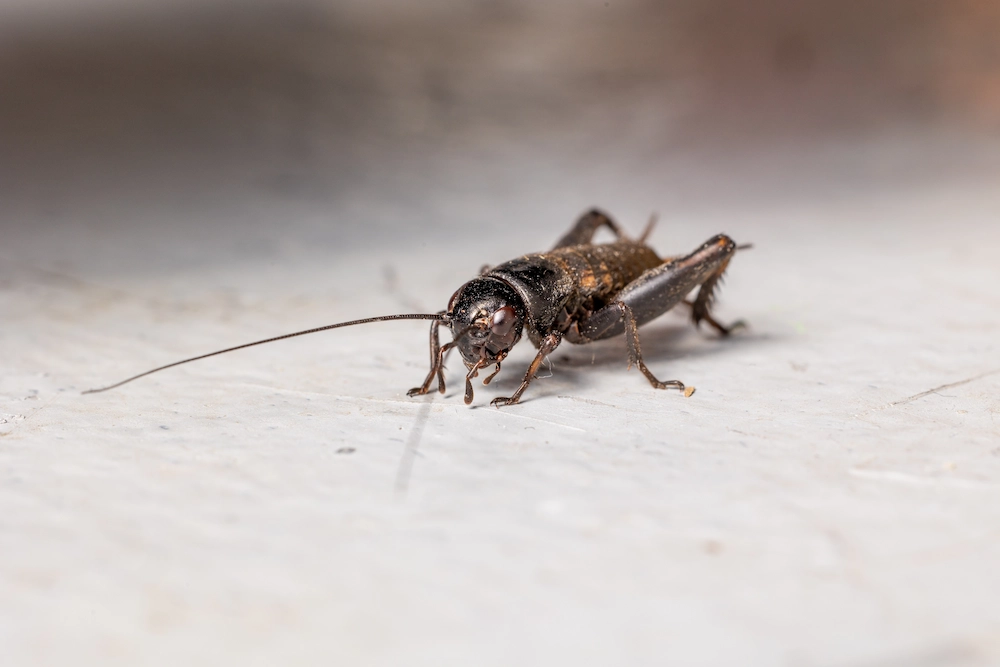
Crickets usually enter homes because indoor conditions are more comfortable than the environment outside. Sudden temperature changes, heavy rain, drought, or cooler nights can push them toward buildings.
Once they reach the exterior of a home, crickets look for openings that lead inside. Light shining through windows or doors can also attract some species closer to the structure, increasing the chance that they find a way indoors.
Gaps Under Exterior Doors
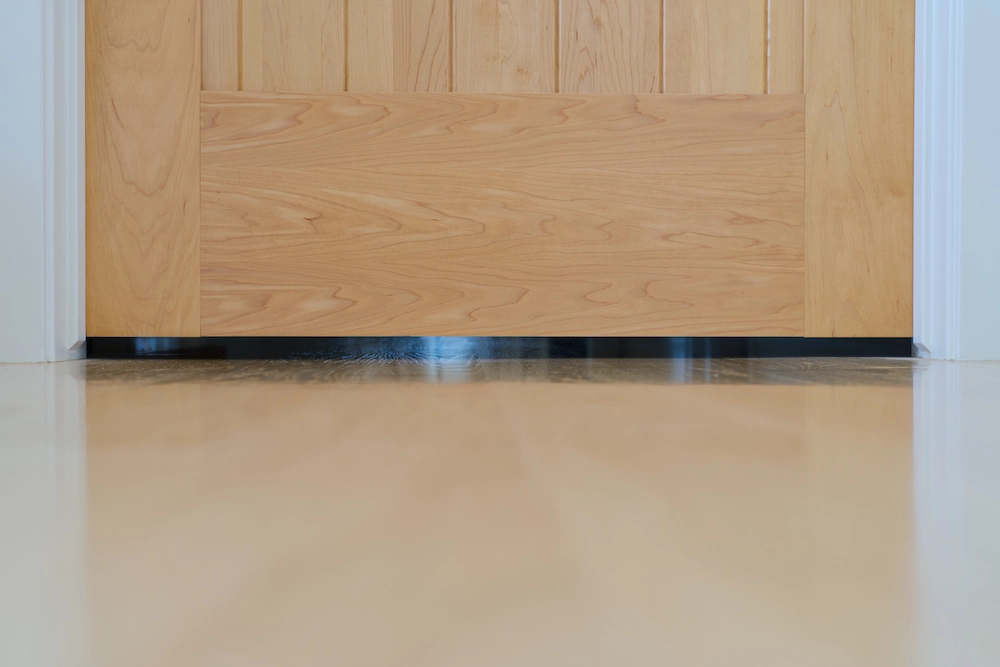
Doors are one of the most common places crickets enter a home. Even a narrow gap beneath an exterior door can provide enough room for a cricket to crawl inside.
Garage doors, patio doors, basement entrances, and frequently used exterior doors deserve extra attention. Worn weatherstripping or damaged door sweeps can create openings that allow crickets and other insects to enter.
Check Door Sweeps and Weatherstripping
Inspect the bottom and sides of exterior doors for visible light or gaps. If you can see daylight around a closed door, insects may be able to get through as well.
Replacing damaged weatherstripping and installing a properly fitted door sweep can make a major difference in reducing cricket entry.
Open or Damaged Windows
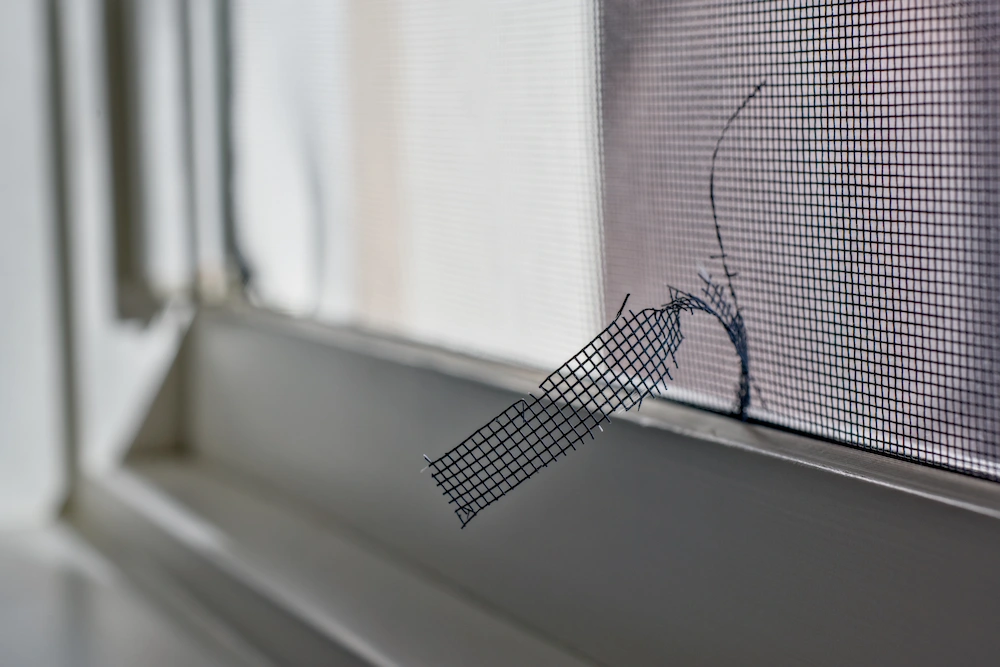
Windows are another common cricket entry point, particularly during warmer months when homeowners leave them open for ventilation.
Crickets may enter through torn screens, loose window frames, or gaps around the edges of windows. Basement windows located close to ground level can be especially vulnerable because crickets are already active nearby.
Repair Window Screens
Check screens regularly for tears, holes, or areas where the material has separated from the frame. Even a small opening can allow insects to pass through.
Sealing cracks around window frames can also help prevent crickets and other pests from finding hidden pathways indoors.
Cracks in the Foundation
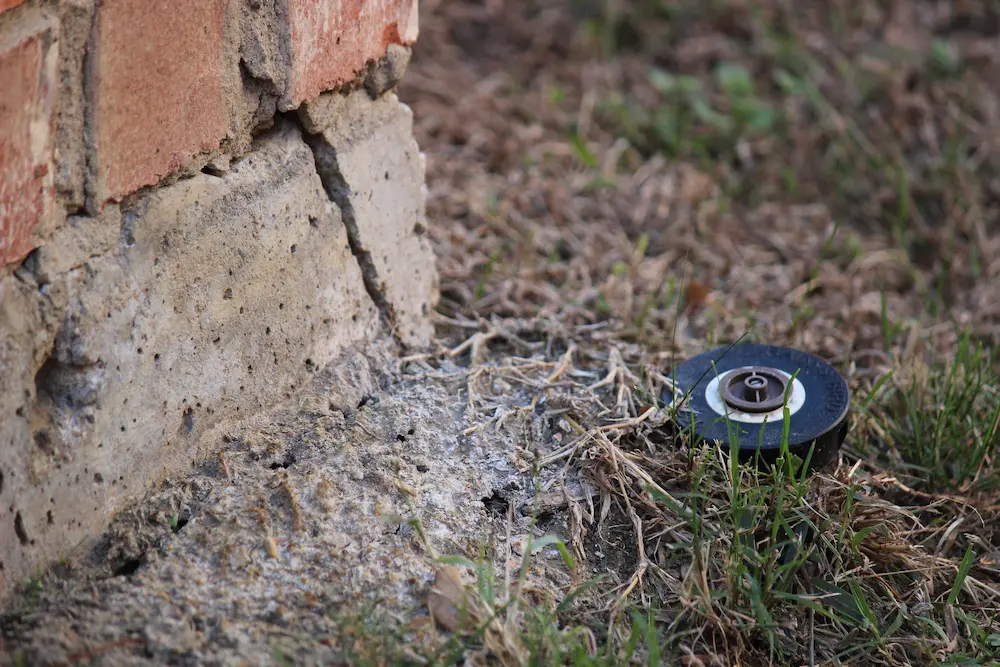
Small foundation cracks can provide direct access to basements, crawl spaces, and wall voids. Crickets often spend time close to the ground, making these openings especially convenient.
Cracks can develop around concrete foundations, masonry joints, and areas where different building materials meet. Once crickets enter these spaces, they may remain hidden during the day and become active at night.
Inspecting and sealing foundation gaps can help reduce both cricket activity and other pest problems.
Openings Around Utility Lines

Plumbing, electrical wiring, cable lines, and HVAC components all require openings through exterior walls. If these areas are not properly sealed, they can create easy cricket entry points.
Pay particular attention to spaces around pipes, outdoor faucets, dryer vents, and air conditioning lines.
Sealing these gaps with an appropriate exterior material can help block insects without interfering with utilities.
Garage Door Gaps
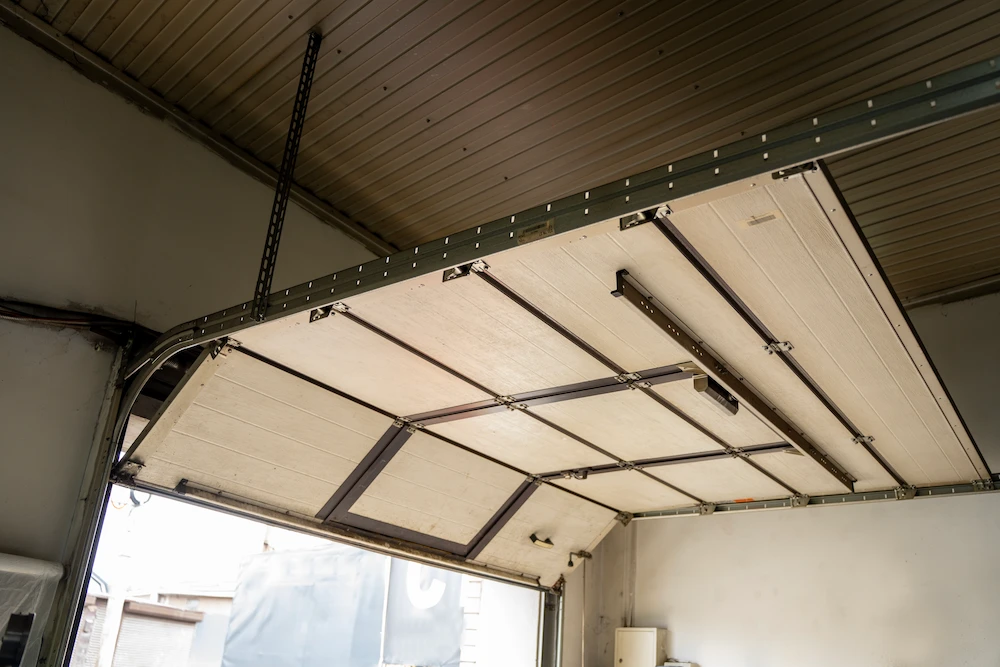
Garages are especially attractive to crickets because they often provide darkness, warmth, moisture, and plenty of hiding places.
Common entry areas include:
- Gaps along the bottom of the garage door
- Damaged seals along the sides of the door
- Cracks around garage windows
- Open doors leading from the garage into the home
Once crickets enter the garage, they may eventually move deeper into the house.
Cracks Around Siding and Exterior Walls

Small gaps beneath siding, around trim, or where walls meet the foundation can also give crickets a route indoors.
These openings may be difficult to notice during a quick inspection. Walking around the exterior of the home and checking areas near ground level can reveal cracks or separation that need attention.
Keeping exterior materials in good repair reduces the number of sheltered pathways pests can use.
Basement and Crawl Space Openings
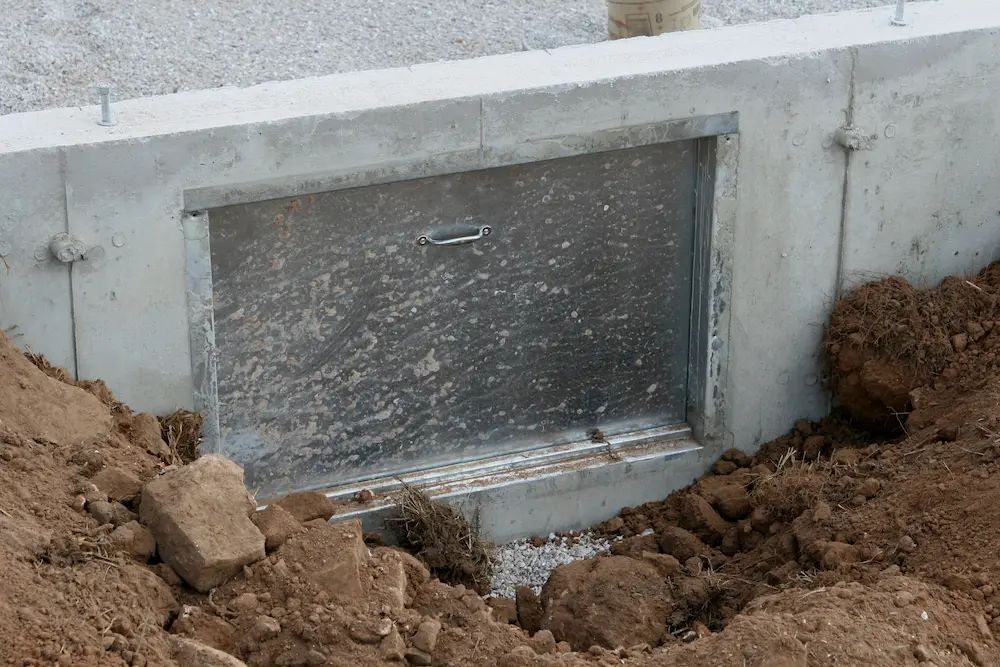
Basements and crawl spaces are naturally appealing to crickets because they tend to be darker, cooler, and more humid than other parts of the home.
Vent openings, foundation gaps, damaged screens, and poorly sealed access doors can all allow crickets inside.
Reducing excess moisture in these areas is also important. Repair leaks, improve ventilation where needed, and address standing water that may make the space more attractive.
How to Prevent Crickets From Entering Your Home

Preventing cricket problems usually starts with exclusion. Removing the openings they use can stop many infestations before they begin.
Helpful cricket prevention steps include:
- Replace damaged door sweeps and weatherstripping
- Repair torn window and vent screens
- Seal foundation cracks and utility openings
- Keep vegetation and debris away from the foundation
- Reduce moisture in basements, crawl spaces, and garages
Outdoor lighting can also play a role. Because some crickets are attracted to lights, keeping bright exterior lighting away from doors and windows may reduce activity near entry points.
When Cricket Activity Becomes a Larger Pest Problem

Finding one cricket indoors does not always mean there is an infestation. However, frequent sightings or repeated chirping from basements, garages, or wall voids may indicate that crickets have found reliable entry points.
Professional pest control can help identify where insects are getting inside and address conditions that make the home attractive to them. Pointe Pest Control offers professional pest control services for crickets and other common household pests.
Homeowners can also learn more about St. Louis pest control services for year-round protection against insects that enter through doors, windows, cracks, and other exterior openings.
Conclusion
Crickets usually get indoors through simple openings such as gaps beneath doors, damaged window screens, foundation cracks, and spaces around utility lines.
Identifying and sealing the most common cricket entry points can greatly reduce the chances of finding these noisy insects inside your home. Regular exterior inspections and basic maintenance can also help prevent many other household pests from using the same openings. Contact us for a free quote on our reliable services today!
Citations
Althoff, E. & Sanders, D. (2025, August). House-invading crickets. University of Missouri – Extension. Available at https://extension.missouri.edu/publications/g7366 (Accessed on August 10, 2026).