
Summary: This article explains why garages attract pests, the common conditions that invite infestations, and practical steps homeowners can take to keep garages pest-free.
__________________________________________________________________________________________________________________________________
Garages are one of the most overlooked areas when it comes to pest prevention. While homeowners often focus on kitchens and bathrooms, garages can provide everything pests need to survive, including shelter, food, water, and easy access to the rest of the home. Understanding why garages are pest hotspots can help you stop infestations before they spread indoors.
Whether your garage is attached or detached, it offers countless hiding places that appeal to insects and rodents throughout the year. By recognizing what attracts pests, you can make simple changes that reduce the risk of unwanted visitors.
Why Pests are Attracted to Garages
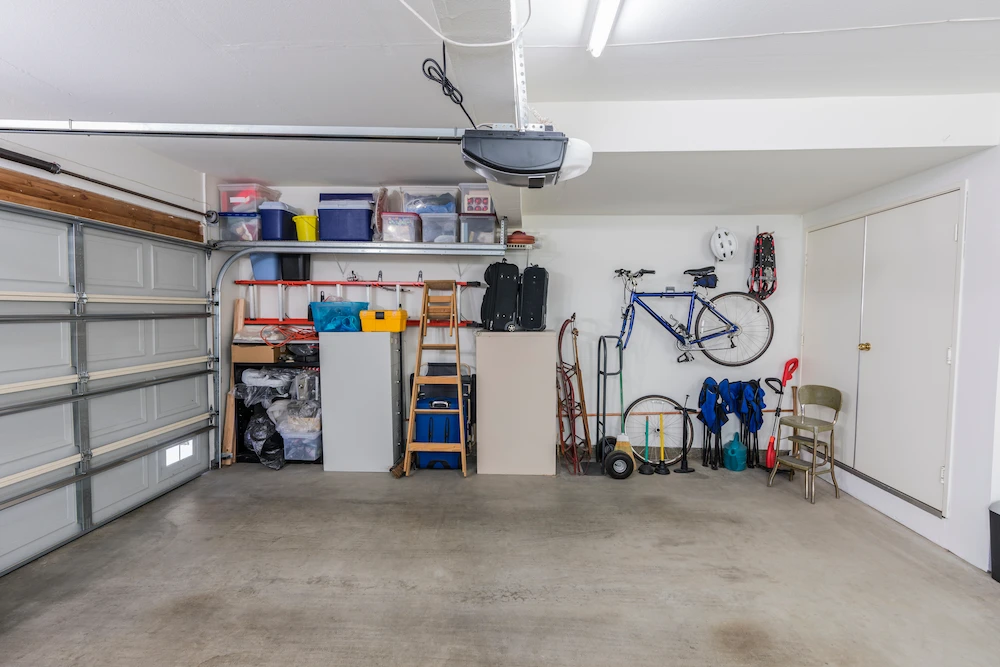
Garages provide protection from weather, predators, and human activity. They are often darker, quieter, and less frequently cleaned than other areas of the home, making them ideal hiding places for many pests.
Many homeowners unknowingly store food, pet supplies, cardboard boxes, or moisture-prone items in the garage. Combined with cracks under garage doors or around utility lines, these conditions make garages an easy target for insects and rodents.
Common Pests Found in Garages
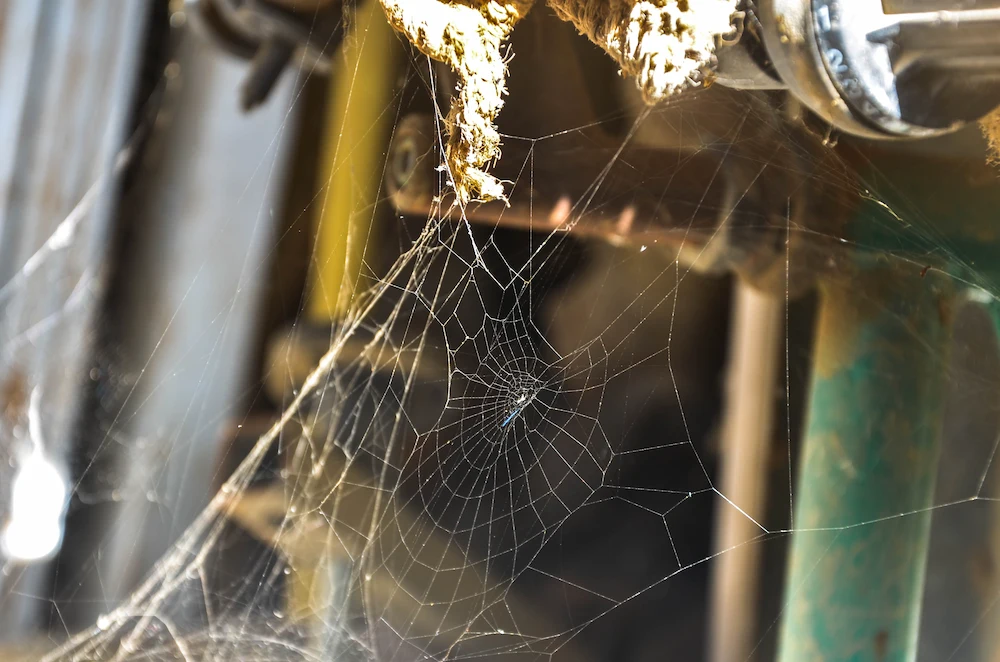
Several pests commonly make garages their home because they can find shelter and resources without much disturbance.
Some of the most common garage pests include:
- Mice and rats searching for food and nesting materials
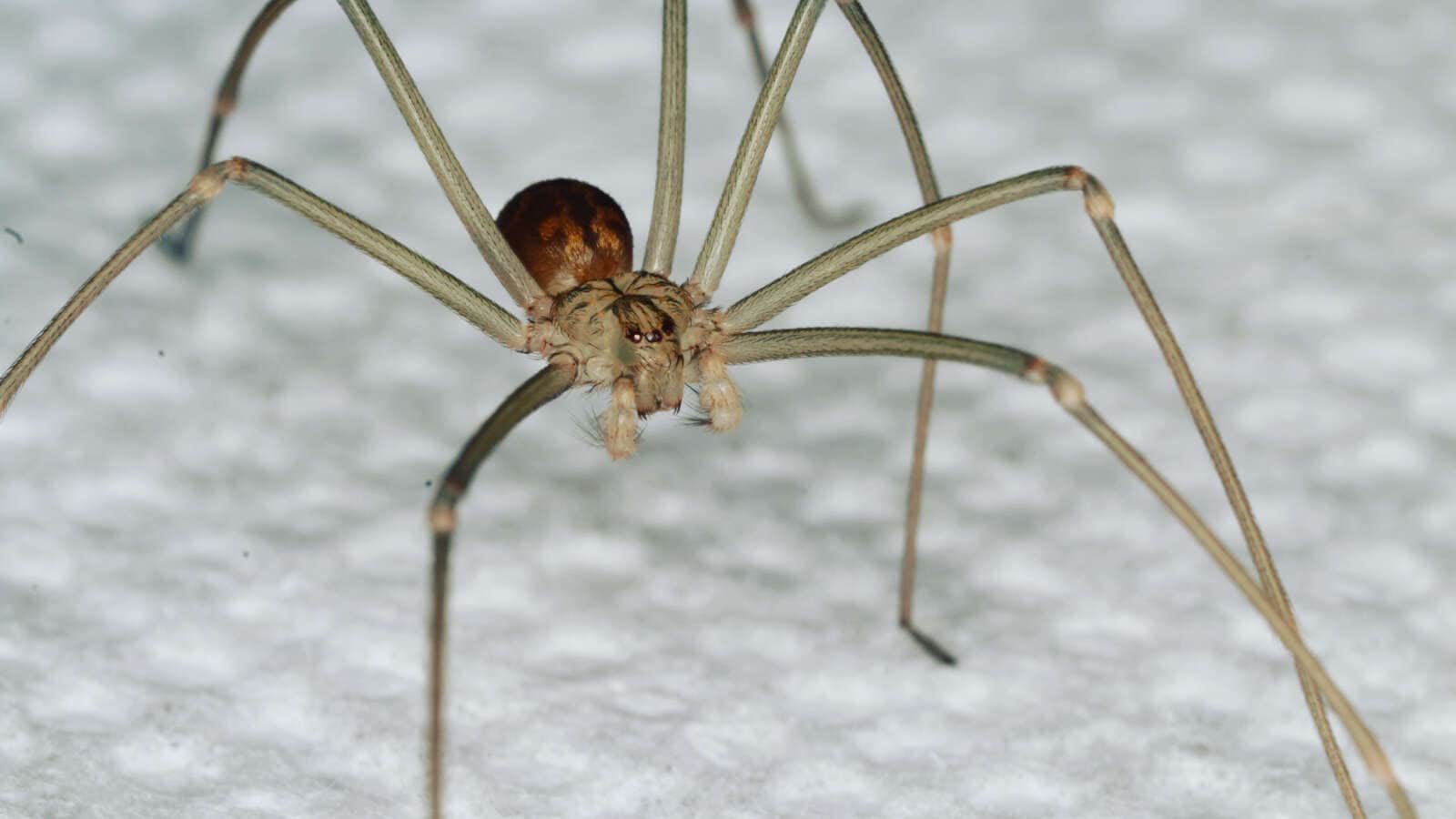
- Spiders building webs in quiet corners and ceiling spaces
- Cockroaches hiding in boxes, clutter, and dark storage areas
- Ants following food sources or moisture inside the garage
While these pests may begin in the garage, they can eventually move into the rest of the home if left untreated.
Clutter Creates the Perfect Hiding Places
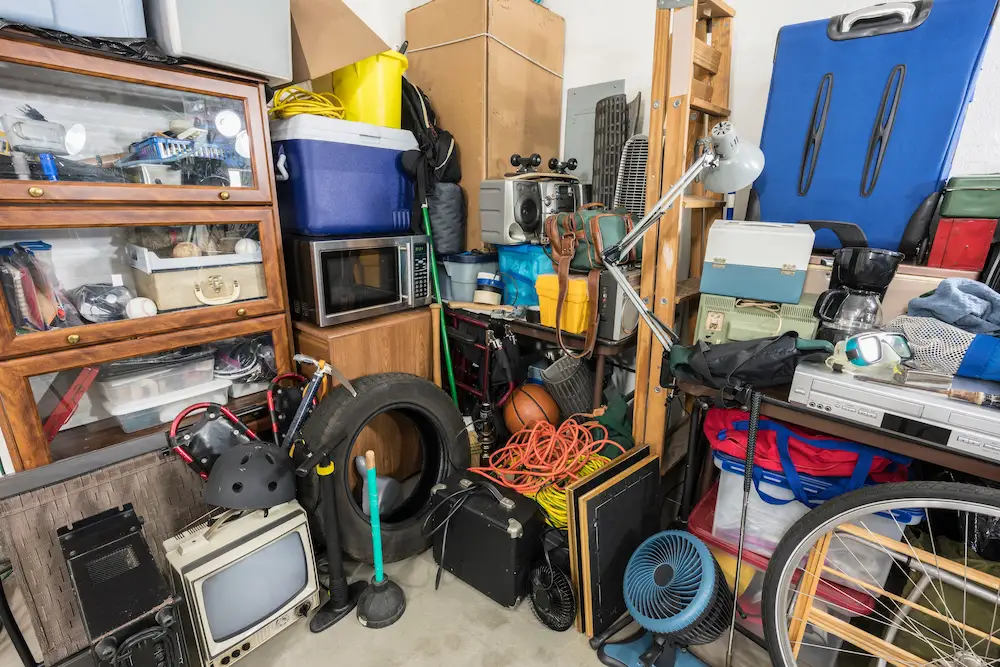
One of the biggest reasons garages attract pests is clutter. Stacks of cardboard boxes, unused furniture, seasonal decorations, and stored equipment create excellent hiding spots where pests can remain undisturbed.
Rodents often build nests inside stored materials, while spiders and cockroaches use clutter as protection during the day. Replacing cardboard boxes with sealed plastic containers can reduce available shelter and make inspections easier.
Food Sources Invite Unwanted Visitors
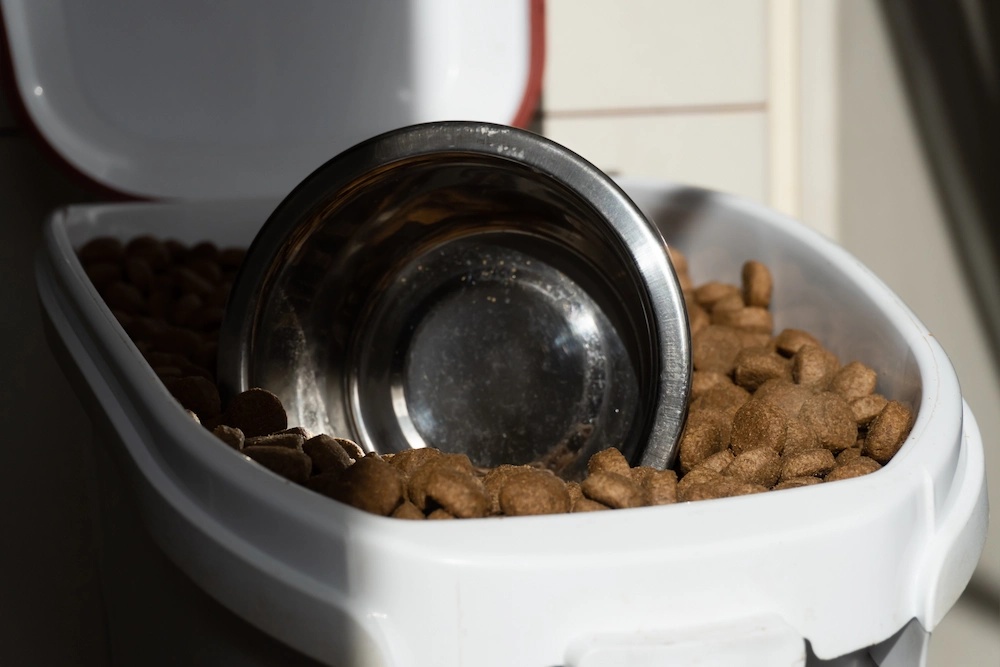
Many homeowners store pet food, bird seed, grass seed, or snacks in the garage without realizing these items attract pests. Even small amounts of spilled food can encourage insects and rodents to remain nearby.
Keeping food products in airtight containers and cleaning up spills promptly helps eliminate one of the most common reasons pests settle inside garages.
Moisture Attracts Insects and Rodents
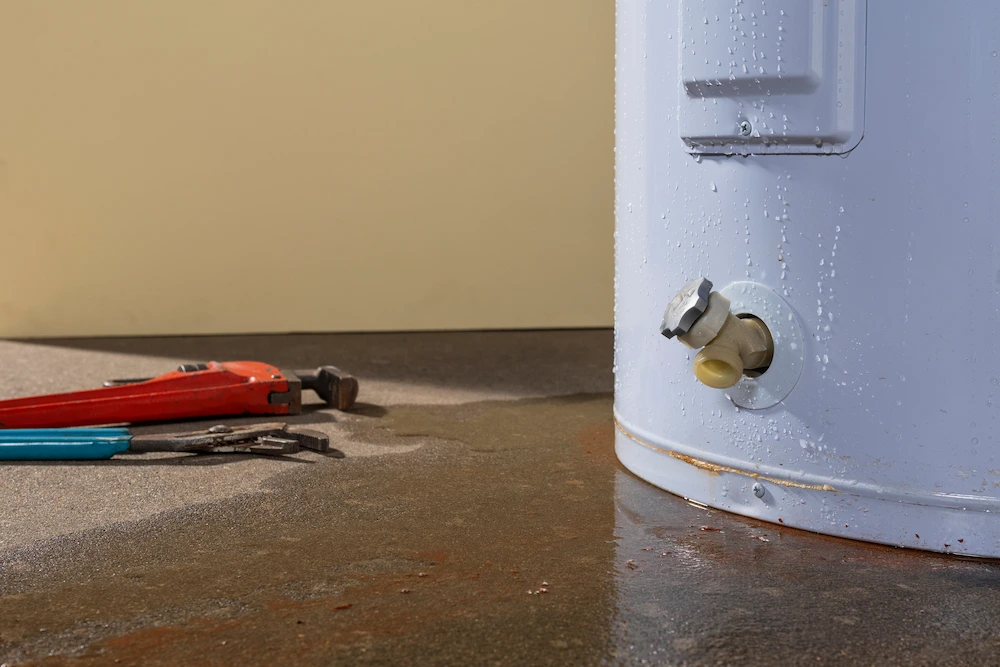
Water is just as important as food for many pests. Leaking water heaters, dripping hoses, condensation, and poor drainage create moisture that attracts insects like cockroaches, silverfish, and ants.
Even small amounts of standing water can increase pest activity. Regularly checking for leaks and improving ventilation can make the garage less appealing to moisture-loving pests.
Garage Doors and Gaps Provide Easy Entry
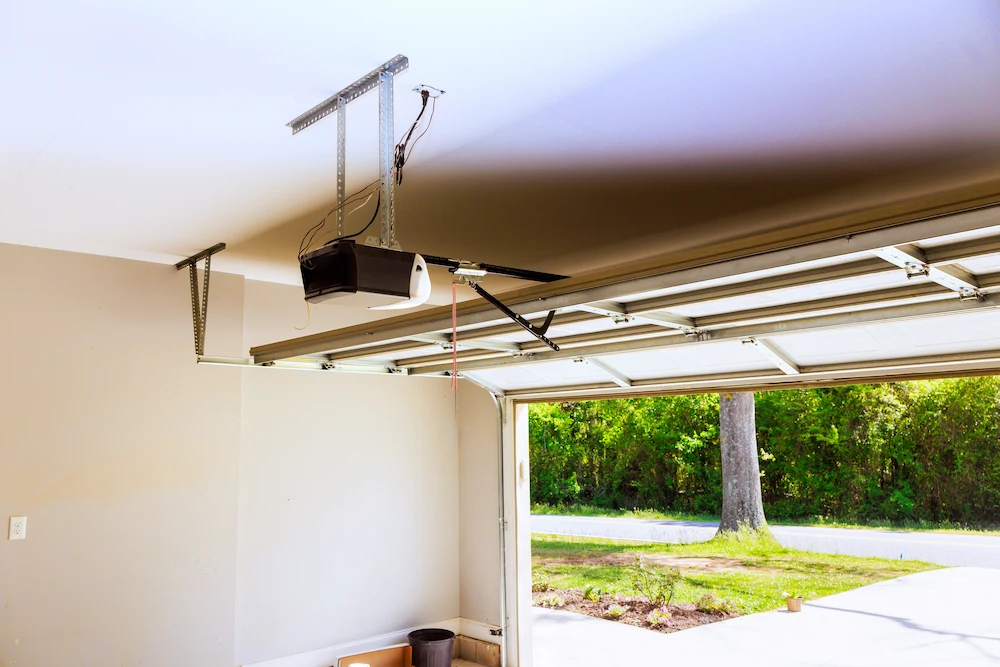
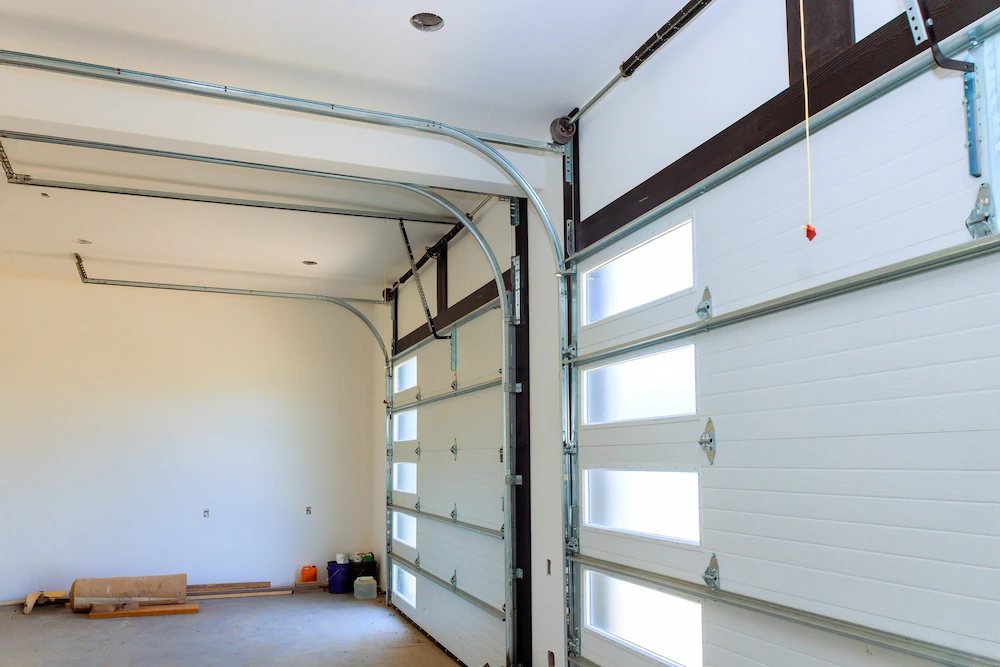
Even well-maintained garages often have small gaps around doors, windows, or utility penetrations. Rodents and insects can enter through surprisingly small openings while searching for shelter.
Inspect weatherstripping around the garage door, seal cracks in walls, and repair damaged screens or vents. Preventing entry is one of the most effective ways to reduce future infestations.
How to Make Your Garage Less Attractive to Pests
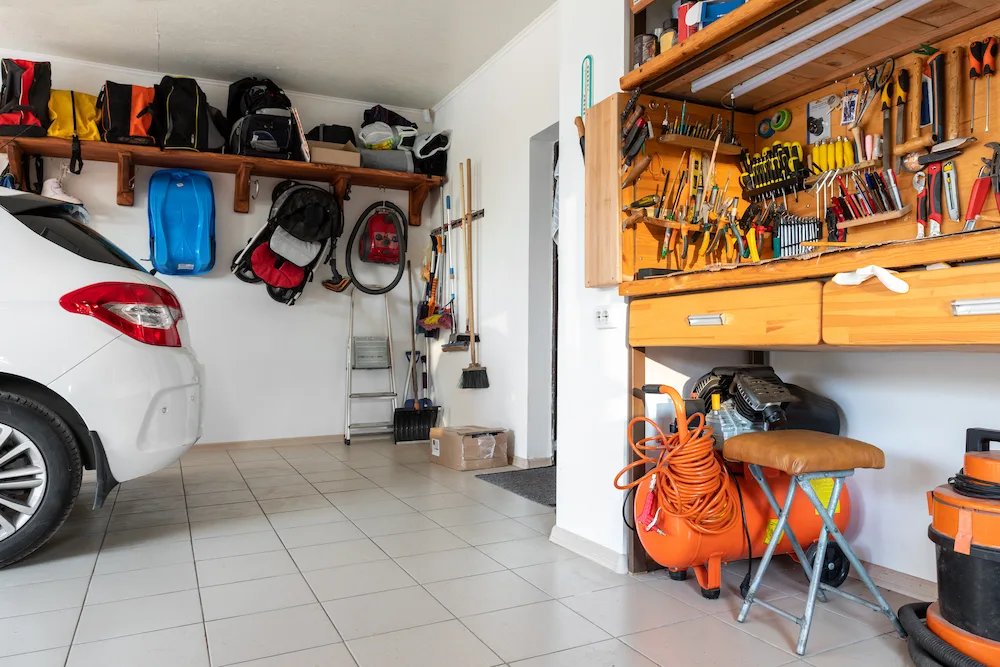
Good housekeeping and routine maintenance go a long way toward preventing pest problems before they begin.
Simple prevention tips include:
- Organize storage and reduce clutter
- Store food and pet supplies in sealed containers
- Repair leaks and eliminate standing water
- Seal gaps around doors, windows, and utility lines
Regular inspections also help catch signs of pest activity before populations have a chance to grow.
When to Call a Professional

If you notice droppings, gnaw marks, insect trails, nests, or recurring pest activity in your garage, professional treatment may be the best solution. Many infestations begin in garages before spreading into living spaces.
Pointe Pest Control offers professional pest control services that identify pest entry points, eliminate active infestations, and help prevent future problems.
Homeowners can also learn more about St. Louis pest control services that provide year-round protection for garages and the rest of the home.
Conclusion
Garages naturally provide many of the conditions pests need to survive, including shelter, food, moisture, and easy access indoors. Fortunately, simple maintenance and good storage habits can greatly reduce these attractants.
By understanding why garages are pest hotspots and taking preventive action, homeowners can protect both their garage and the rest of their home from unwanted pests. Contact us for a free quote on our targeted pest control services today!
Citations
Corrigan, R. (2000, July 1). The pest ecology of the attached garage. Pest Control Technology. Available at https://www.pctonline.com/article/the-pest-ecology-of-the-attached-garage/ (Accessed on July 13, 2026).