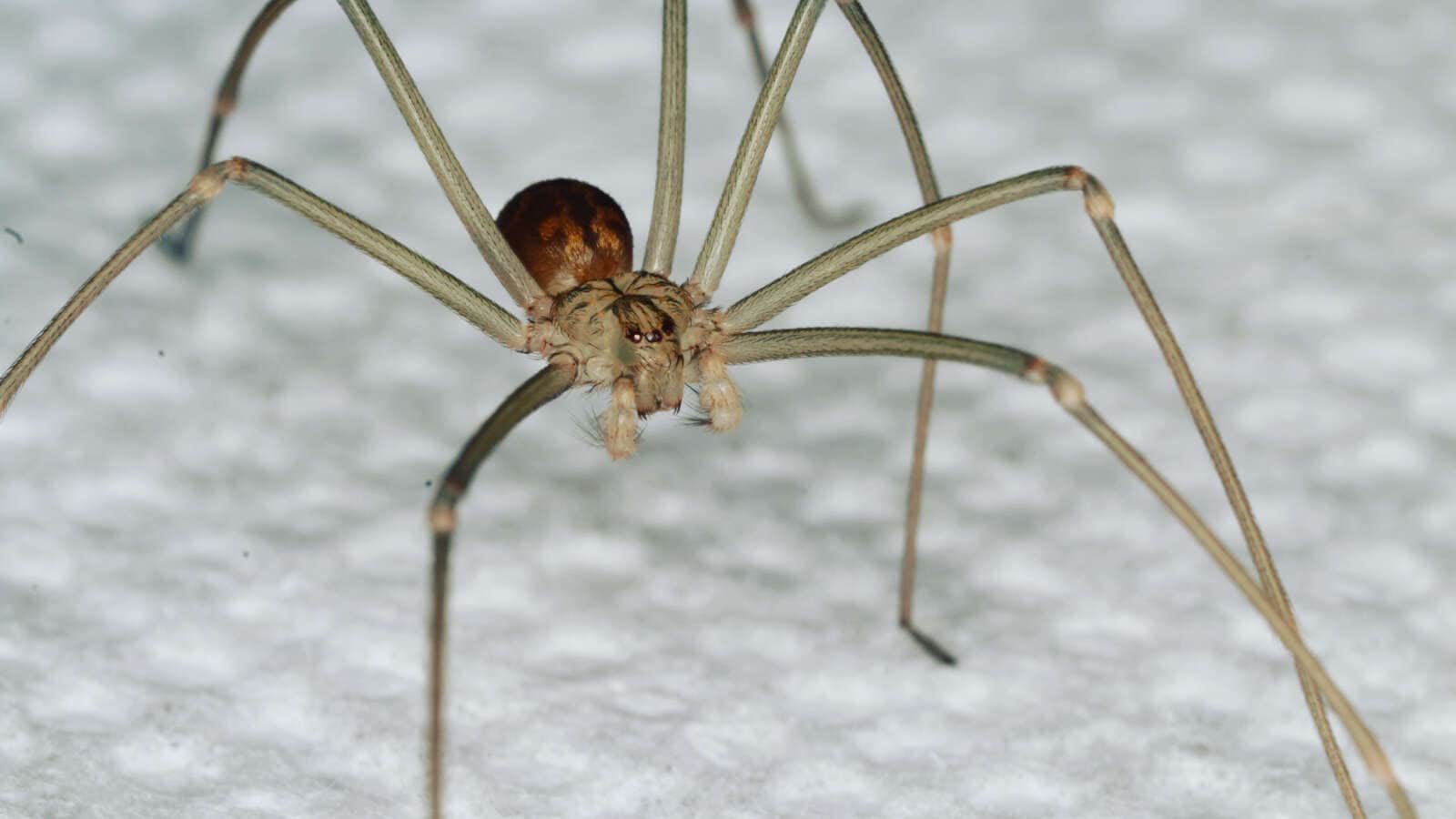

Summary: Mice, stink bugs, spiders, boxelder bugs, and crickets all move toward Missouri homes as fall temperatures drop. This guide explains what draws each pest indoors and how to seal entry points before winter.
__________________________________________________________________________________________________________________________________
As temperatures start to drop across the St. Louis area, the pests that spent all summer outdoors begin looking for somewhere warmer to spend the winter. Unfortunately, the average house in St. Louis or O’Fallon checks every box they are searching for: shelter, warmth, and a way in that most homeowners never notice until it is too late.
Here are the pests moving inside for fall most often in Missouri homes, along with what draws each one in and how to keep them from making themselves comfortable.
Missouri’s mix of humid summers and cold winters means this shift tends to happen in a fairly narrow window each year, usually once nighttime temperatures start consistently dropping into the 50s. Watching for that shift is a useful way to know when to start taking fall prevention seriously rather than relying on a specific date on the calendar, since the exact timing can vary from one year to the next.
House Mice and Stink Bugs
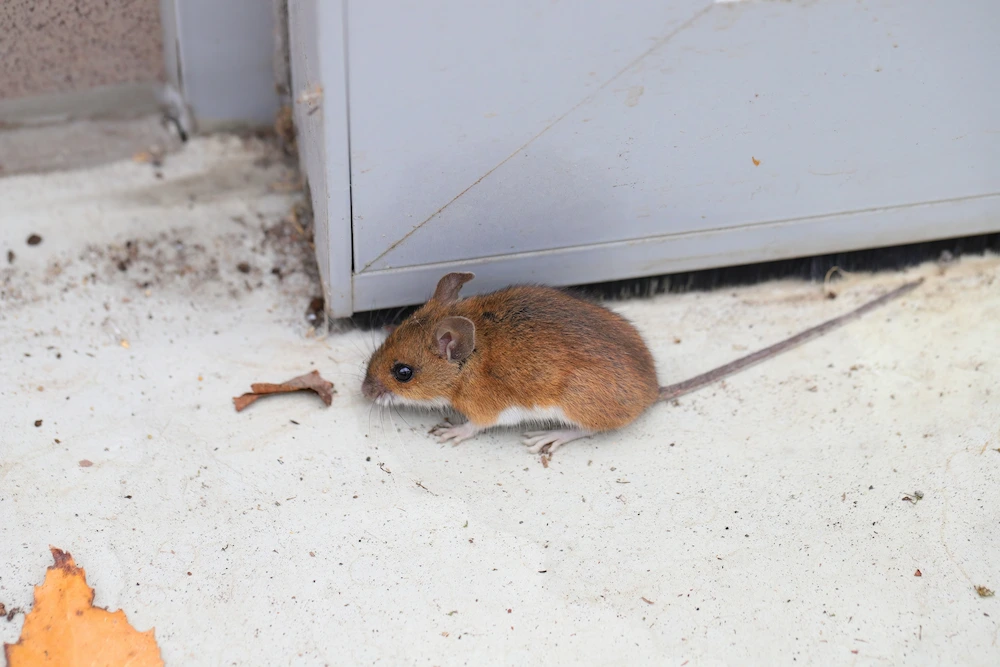
Mice are among the most persistent fall invaders because they only need a gap the width of a pencil to squeeze through. As outdoor food sources become harder to find, mice follow the scent of stored food, warmth from HVAC vents, and the general shelter a home provides. Sealing gaps around utility lines and foundation cracks, and storing pantry food in airtight containers, removes two of the biggest draws before mice ever find a way in.
A single mouse can squeeze through an opening smaller than a dime, which is part of why sealing efforts need to cover gaps that seem far too small to matter. Checking around dryer vents, gas line penetrations, and the corners where a foundation meets siding tends to reveal openings homeowners never noticed during a casual walk around the house.
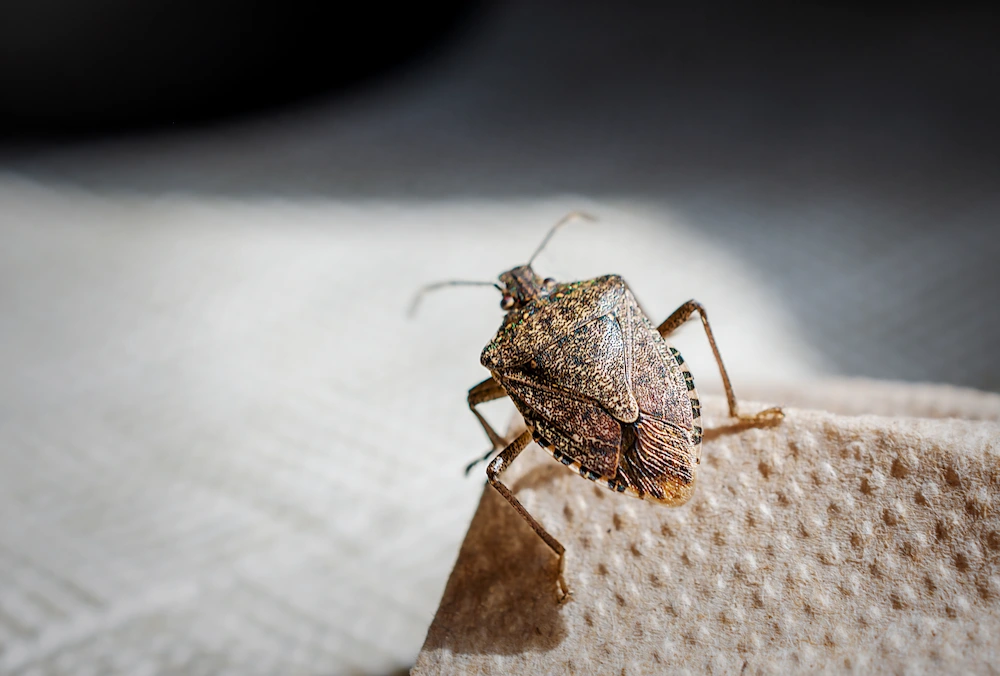
Stink bugs cluster on sun warmed siding in the early fall before working their way into small gaps around windows, attic vents, and door frames. They do not damage homes or bite, but a large indoor population is unpleasant, especially given the odor they release when disturbed. Homes near mature trees along older streets in St. Louis tend to see the heaviest activity.
Spiders and Boxelder Bugs
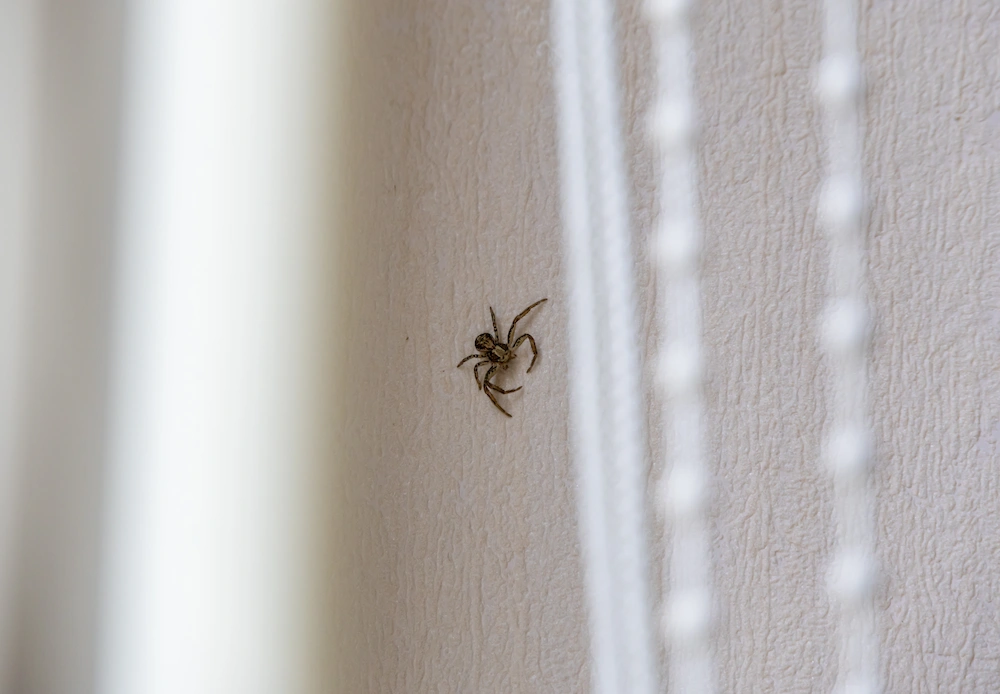
Many spider species become more active in early fall as they search for mates, and cooler nights push both spiders and the insects they eat toward the shelter a house provides. Basements, garages, and crawl spaces tend to see the biggest increase in activity.
This spike is temporary and mostly tied to mating season, but any spiders that make it indoors during this period do not necessarily leave once the season passes. A population noticed in September can just as easily still be there come November if the underlying entry points and food sources are never addressed.
Boxelder bugs follow a similar pattern, gathering in large numbers on warm exterior walls before pushing into cracks and gaps. Homes near boxelder, maple, or ash trees tend to see the heaviest activity, since those trees are the insect’s primary food source during the summer.
Crickets Round Out the List
Crickets move toward buildings as outdoor temperatures drop, often entering through gaps around foundations, garage doors, and basement windows. Once inside, they are mostly a nuisance thanks to their chirping, but large populations can damage fabric and paper goods in storage areas.
Basement window wells are a particularly common entry point for crickets, since they collect leaves and debris that hold moisture and provide cover right next to the foundation. Keeping window wells clear and covered removes one of the more overlooked paths crickets use to reach a basement.
A Simple Fall Sealing Checklist
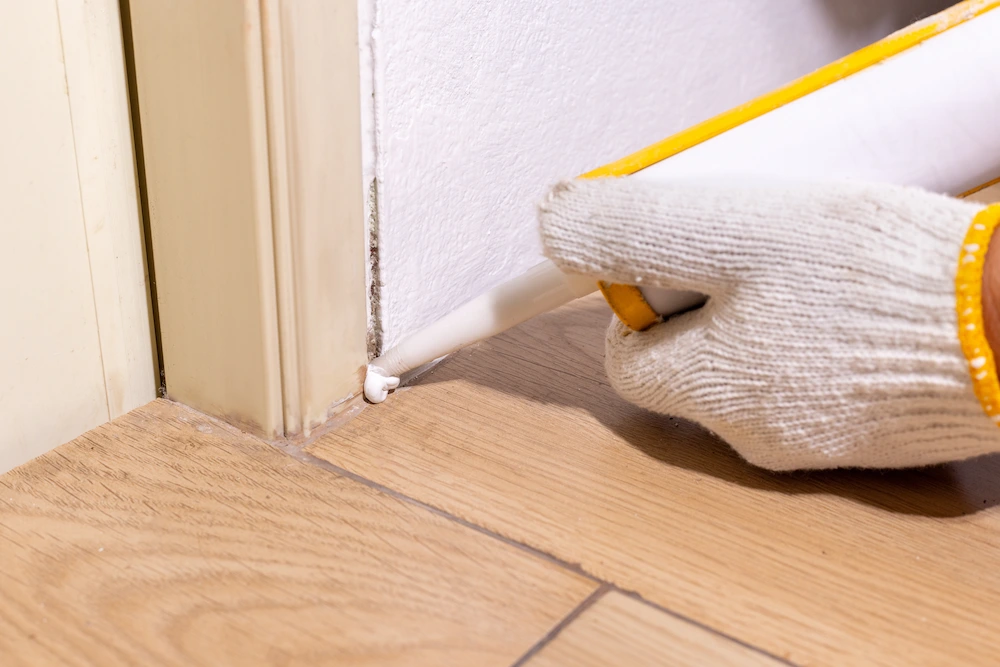
- Caulk gaps around windows, doors, and utility line penetrations.
- Repair torn screens and damaged weatherstripping.
- Add mesh covers over foundation and attic vents.
- Trim vegetation and remove leaf piles away from the foundation.
- Store firewood at least twenty feet from the house.
Gutters are worth including in this checklist too, since a clogged gutter holds moisture against the roofline that can attract several of these same pests, from insects looking for damp shelter to rodents exploiting a softened fascia board. Clearing gutters during the same fall walkthrough covers two problems with one task, especially on properties with a lot of overhanging tree cover along the roofline.
Once these pests establish themselves inside a wall void, attic, or crawl space for the winter, they are far harder to deal with than if the entry points had been sealed beforehand. A thorough exterior check in September, before the first cold snap, gives homeowners a real head start. Pointe Pest Control’s rodent control services can help identify entry points that are easy to miss from ground level, including gaps around rooflines and utility penetrations.
If Pests Are Already Showing Up Indoors
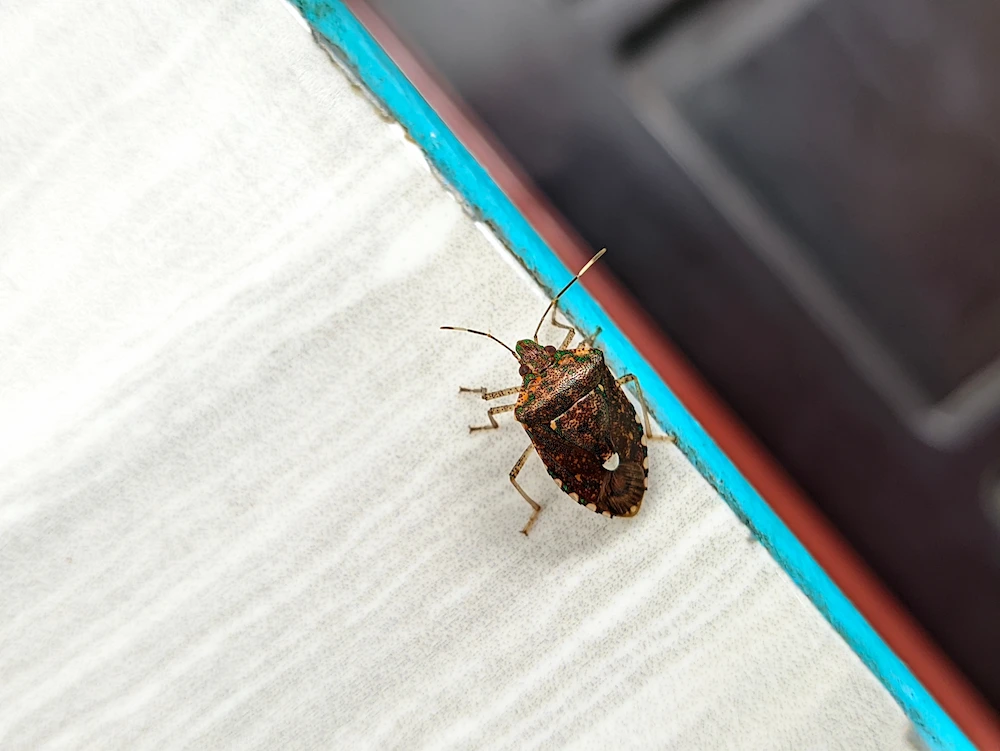
Seeing a few stink bugs on a window or a mouse dropping in the pantry does not always mean a full infestation, but it is worth taking seriously before the population grows over the winter. The sooner an entry point is identified and sealed, the less time pests have to settle in.
Households that notice more than one of these pests at once are not necessarily dealing with a coincidence. Several fall invaders respond to the exact same weather trigger, cooling nighttime temperatures, which is why a home can see mice, stink bugs, and spiders all show up within the same couple of weeks each September.
Keeping a simple log of what shows up and when, even just a note on a calendar, can help identify a pattern year over year. A home that consistently sees stink bugs in mid September, for example, can start sealing gaps a week or two earlier the following year rather than reacting after the first cluster appears, which turns fall prevention into a proactive habit instead of a yearly scramble.
If fall pests have already found their way into your St. Louis home, Pointe Pest Control’s St. Louis pest control team can locate the source and stop the problem before winter sets in.
Pointe Stays One Step Ahead of Pests Moving Inside for Fall
A single visit that addresses the entry points, rather than just the pests currently visible, tends to hold up far better through the winter than repeated spot treatments aimed at whichever pest showed up most recently. This matters most for households juggling more than one of the five pests covered here at the same time, since treating each one separately tends to take longer and cost more than addressing the shared entry points all at once, particularly heading into a Missouri winter where re-checking a home is far less convenient.
For a free quote on our reliable pest control services, contact us today!
Citations
Top 9 uninvited insect house guests for fall. (n.d.). Terro. Retrieved September 14, 2026, from https://www.terro.com/articles/fall-insect-invaders?srsltid=AfmBOor6CiFtRIbiTtNCW1U_E_BJoWDmjkO5DCXCJIcXYKy7OdVQv5-7