
Summary: Asian lady beetles are beneficial when they’re eating garden pests, but they’re nuisance pests when they invade Midwest homes for the winter. This blog gives 7 easy ways to get rid of Asian lady beetles and prevent invasions.
__________________________________________________________________________________________________________________________________
Ladybugs are cute in theory. Their signature red coloring and black spots paired with their harmless habits make them a more appealing insect compared to their competition. However, once the fall chill makes it clear that winter is near, even the inoffensive bugs become huge nuisances.
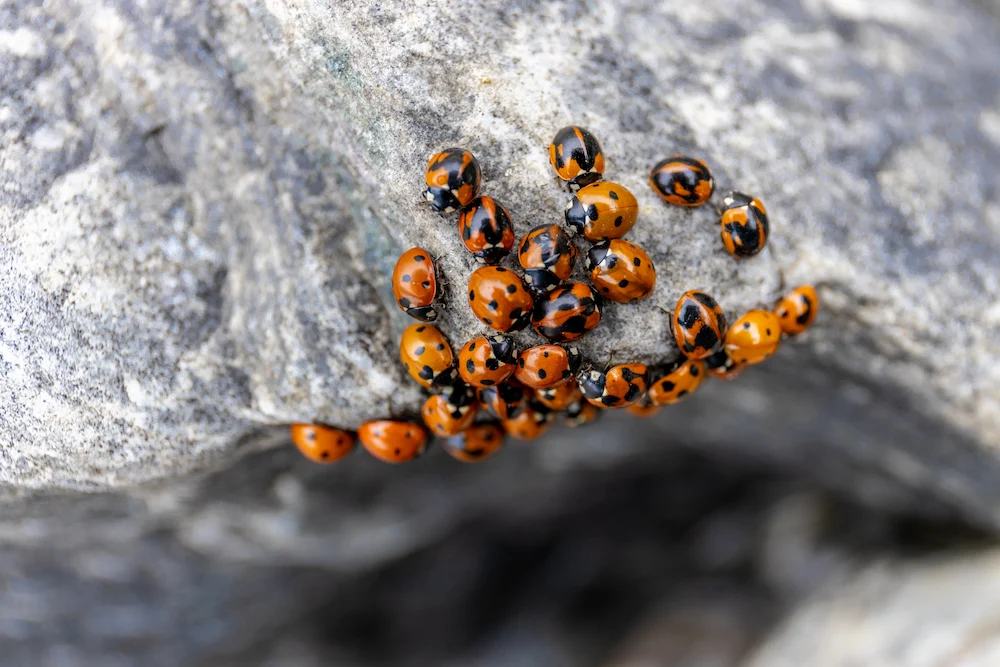
Today, we’re focusing on Asian lady beetles as one of the most persistent fall invaders. Their objective is to find a safe, warm shelter that will fit their large numbers until the higher spring temperatures push them outdoors again. Unfortunately, your home is their ideal winter sanctuary.
Let’s explore the basics of Asian lady beetles before we break down the most effective ways to both prevent and eliminate these persistent pests!
Asian Lady Beetles vs. Ladybugs
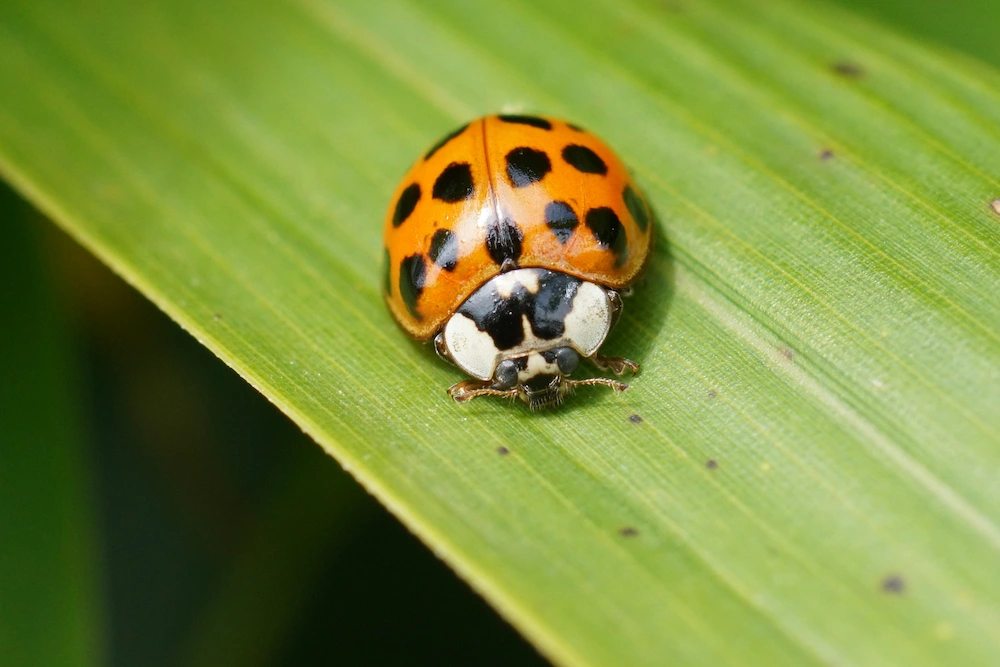

Asian lady beetles are related to ladybugs, but there are a few key differences. On today’s subject, Asian lady beetles want a winter shelter and invade structures in huge numbers. Ladybugs usually dig into tree bark or under rocks to wait out the winter.
Also, Asian lady beetles are more aggressive than ladybugs. The former can bite when disturbed, and the latter would prefer to fly away from danger. This direct attitude gives the invasive pests the push they need to gather in houses.
Finally, these beetles have slight physical differences. An Asian lady beetle is a muted, tan, red, or orange color and might have spots. It also has an M-shaped white mark on the back of its head. Ladybugs are bright red with black spots and don’t have that mark.
The Asian Lady Beetle Basics
The specific dates depend on the weather, but Asian lady beetles usually invade Midwest houses from September through November. They don’t reproduce indoors or spread bacteria. However, the yellow liquid they secrete when threatened or squished can stain many surfaces.
Adult Asian lady beetles are attracted to contrasting colors, like light shutters on a dark-colored house. These pests live about 3 years, so they can return to the same winter habitat year after year. When they’re outside, Asian lady beetles are pretty beneficial by eating aphids, mites, scale insects, and other garden pests.
Although they’re more common near fields and wooded areas, Asian lady beetles can invade homes in just about every region. That’s where our control tips come in handy!
Clean Their Yellow Stains

We mentioned their yellow liquid earlier, but it’s important to highlight since it’s more than a defense mechanism. The secretion also contains pheromones (invisible scent chemicals) that attract more Asian lady beetles to the same spot. If they mark your house with these spots, the stains will be the least of your worries.
It’s important to use the right cleaner for this because you want to avoid damaging the original material and remove the pest’s scent. Ammonia-based cleaners and vinegar generally achieve both of these goals. If the liquid is on fabric, try spot-treating with your favorite stain remover.
Eliminate Garden Pests
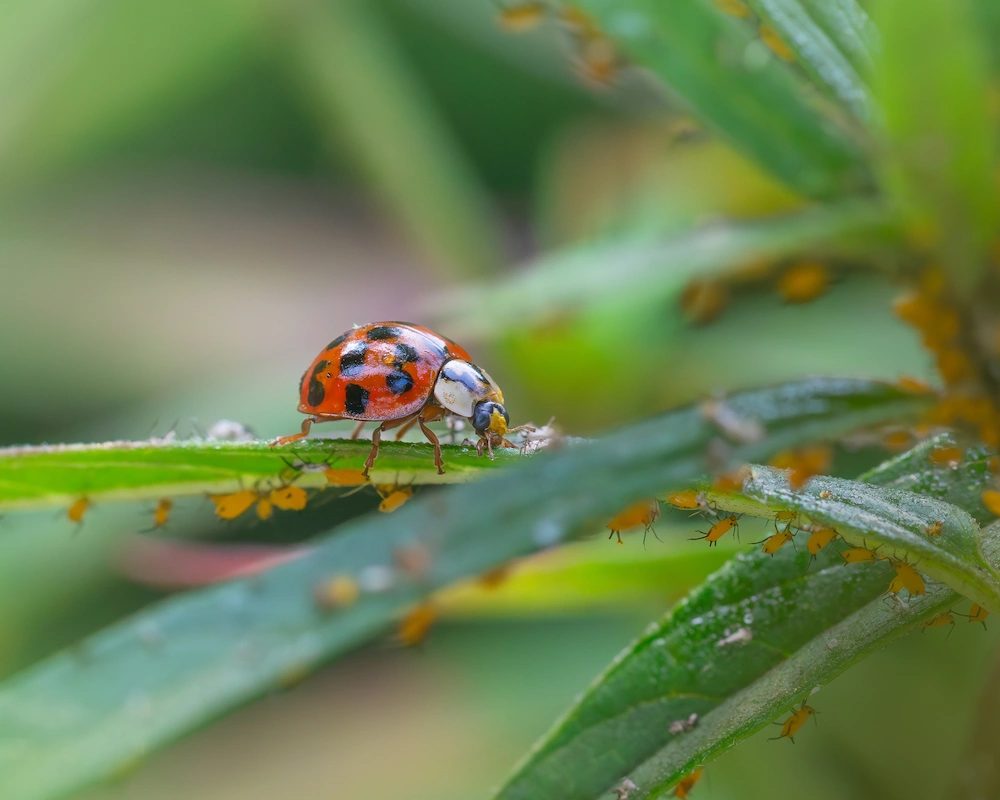
Once the freezing temperatures arrive, garden pests technically eliminate themselves. But in the months leading up to it, you can help prevent Asian lady beetles by managing your garden pests. The predatory pests feed on garden insects until cold weather drives Asian lady beetles inside and garden pests into hiding.
If they don’t have food, predatory pests are less likely to gather near your house. The general practices of maintaining a healthy, pest-free garden include:
- Watering each plant the appropriate amount.
- Using healthy soil with organic compost and plant food.
- Planting preventative flowers, like marigolds and lavender.
- Weeding and pruning the plants regularly.
- Picking eggs and larger pests off the plants by hand.
Vacuum Up the Bugs
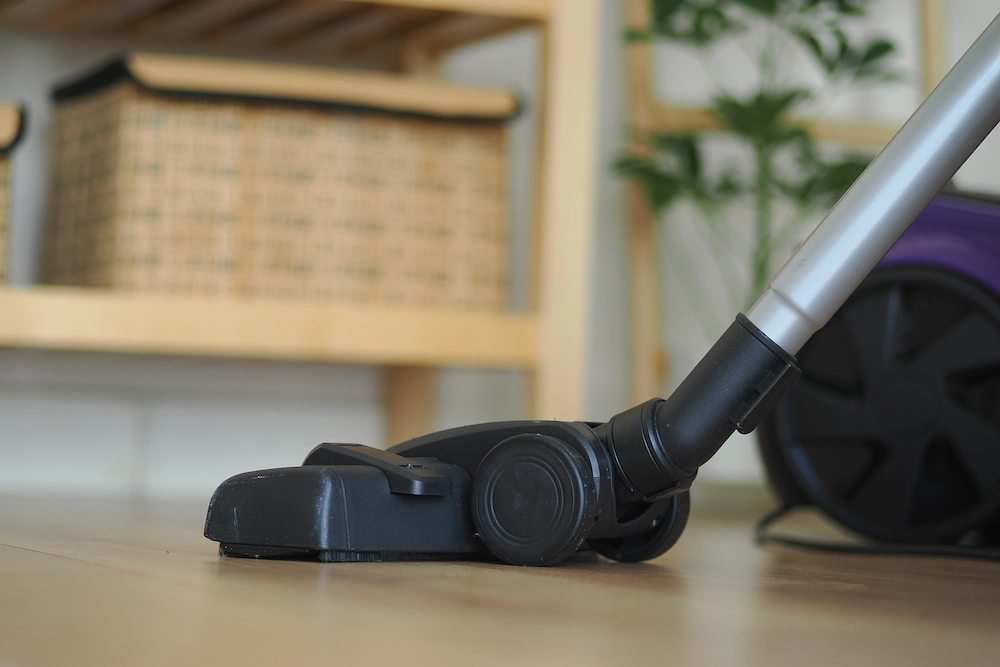
If Asian lady beetles successfully make their way inside, the vacuum will be your best friend. A broom would cause more issues since it would agitate the beetles and cause them to release their yellow liquid.
That being said, their yellow liquid can also stain your vacuum and cause it to smell. If you aren’t too attached to your vacuum, or if you use a shop vacuum, use it to suck up the pests and immediately empty the bag or canister outside. But if you want to protect your vacuum, place a nylon stocking on the exit end of the hose and secure it with a rubber band. Once you suck up the pests, remove the stocking and dispose of it outside.
Check Window and Door Seals
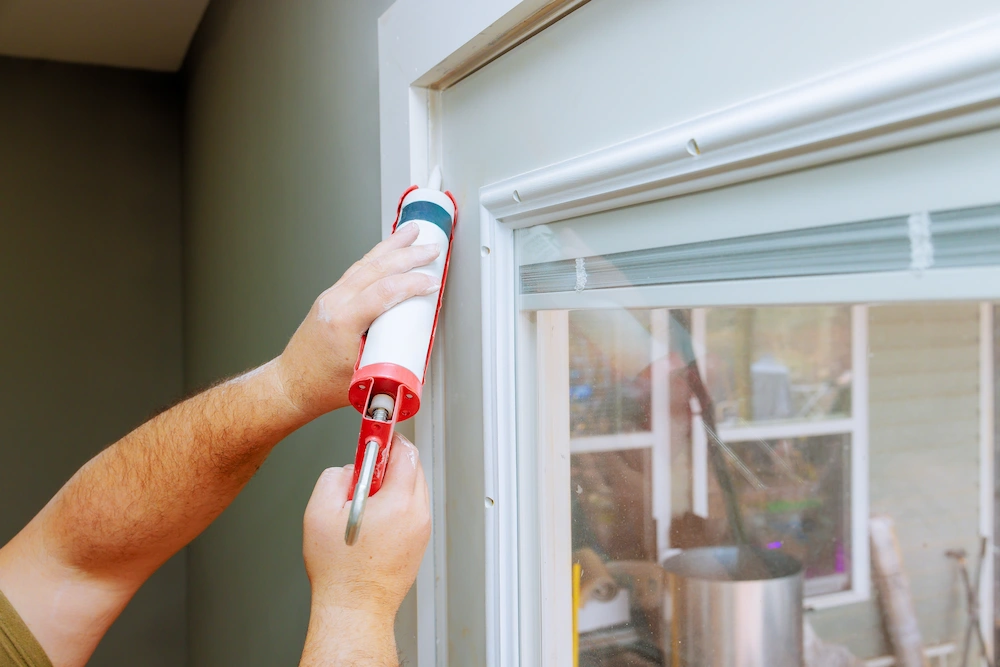
An essential part of keeping a pest-free home is making it nearly impossible for them to get inside. Broken window and door seals are a popular entry point, especially during a seasonal shift. When the seals correctly fit their respective frames, they keep the warmth inside and the pests outside!
Throughout the year, check each door and window seal for loose spots or new cracks. Repair damaged weather stripping, or apply new weather stripping to doors and windows without it. There shouldn’t be obvious gaps in any seal. If your exterior doors don’t have good door sweeps, consider installing them before winter.
Seal Entry Points
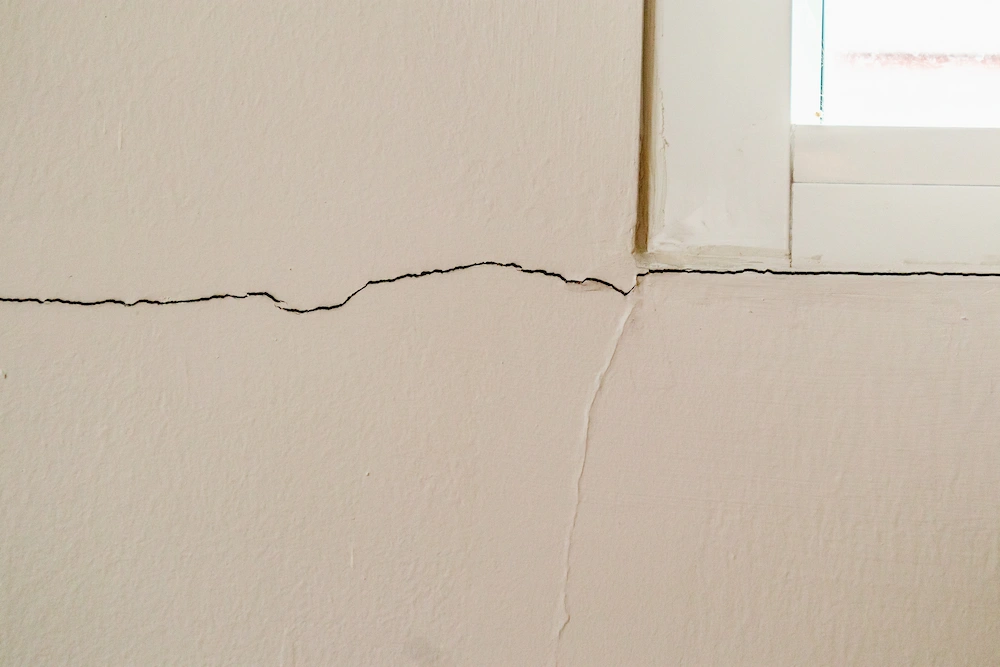
Speaking of sealing the house, sealing all vulnerabilities that could become pest entry points is crucial. Asian lady beetles are 1/4 of an inch long, so they can slip through tiny gaps. Since they gather on warm walls and windows, we recommend focusing on the sunny sides of the house.
Small cracks and gaps where fixtures enter the house are fillable with waterproof caulk. These places are often on or adjacent to:
- Windows
- Doors
- The foundation
- The chimney
- Utility penetrations
- Pipes
- Electrical wiring
- Baseboards
- Vents
- Siding
- Fascia boards
- Eaves
Repair Torn Window and Door Screens
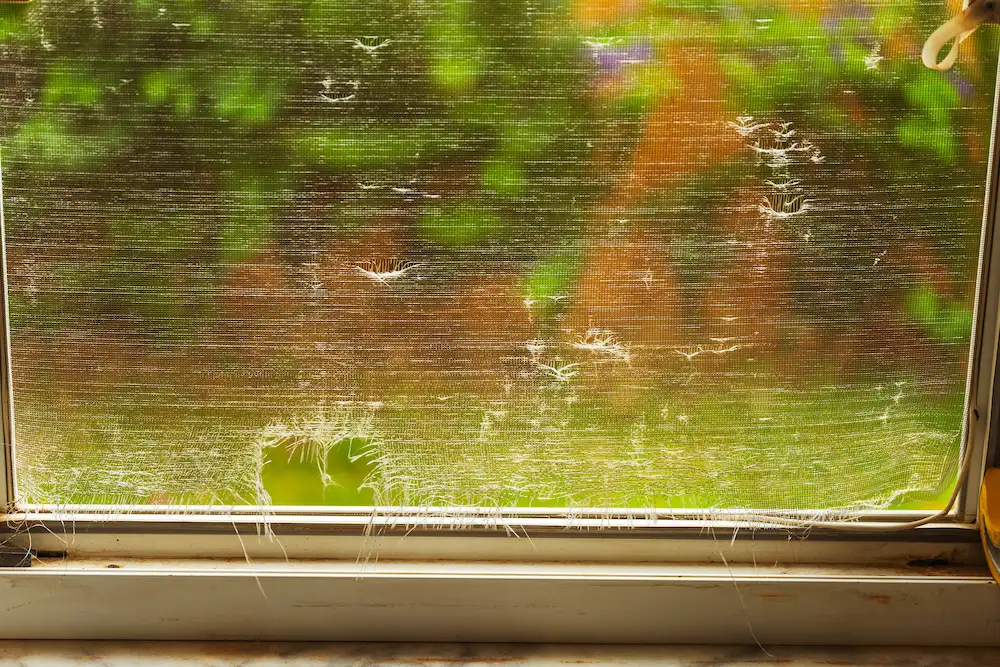
There’s nothing as reinvigorating as opening the windows on a crisp fall afternoon. Unfortunately, this can quickly turn into a nightmare if a window screen is so loose that it’s inviting Asian lady beetles inside! For effective prevention, all window and door screens need to fit tightly in their frames.
Inspect each window and door screen for tears, holes, and loose material. Repair or replace any damaged screens, and make sure the updated screens fit correctly in their frames. Also, check each attic and foundation vent screen for new damage. Like the window and door screens, these sturdy screens need to be in place to keep pests out!
Keep Pests Out of Your Fall Fun With Pointe!

Asian lady beetles join stink bugs and boxelder bugs in their desperation to invade warm houses before winter. If they get inside your walls and it’s too warm, many of them will die from burning through their fat reserves. Whether you can’t find the source of an infestation or want to prevent future issues, Pointe Pest Control has efficient pest solutions ready to go!
Our team uses their extensive knowledge and training in local pest activity to prevent fall infestations. We create a protective barrier around each home with proactive measures and targeted treatments. Our annual fall goal is to eliminate and block pests now to prevent deeper issues in the winter.
For a free quote on our year-round services, contact us today!
Citations
How to get rid of Asian lady beetles in your home. (n.d.). Dynatrap. Retrieved September 29, 2026, from https://www.dynatrap.com/articles/how-to-get-rid-of-asian-lady-beetles-in-your-home
Johnson, K. (2024, November 1). Ladybugs everywhere: Preventing and managing multicolored Asian lady beetles. University of Illinois Urbana-Champaign: Illinois Extension: College of Agricultural, Consumer & Environmental Sciences. Available at https://extension.illinois.edu/blogs/good-growing/2024-11-01-ladybugs-everywhere-preventing-and-managing-multicolored-asian-lady (Accessed on September 29, 2026).
Lupo, L.J. (2026, May 9). How to get rid of Asian lady beetles. The Spruce. Available at https://www.thespruce.com/good-and-bad-ladybugs-2656236 (Accessed on September 29, 2026).