
Summary: Pests that keep returning to the same spot are usually responding to leftover scent trails, hidden moisture, or a nearby gap. This guide explains the common causes in St. Louis area homes and what to check to break the cycle.
__________________________________________________________________________________________________________________________________
Maybe it’s the ants that show up along one stretch of kitchen counter every spring, or the silverfish that only ever appear in the downstairs bathroom. You clean, you spray, things go quiet for a week, and then the pests are right back where they started.
Seeing pests in the same spots is rarely a coincidence. It usually means something in that area is still attracting them, or a gap nearby is still letting them in. This article walks through the most common reasons, from scent trails to hidden moisture, and what to check so the cycle actually ends.
A Repeat Spot Is a Clue
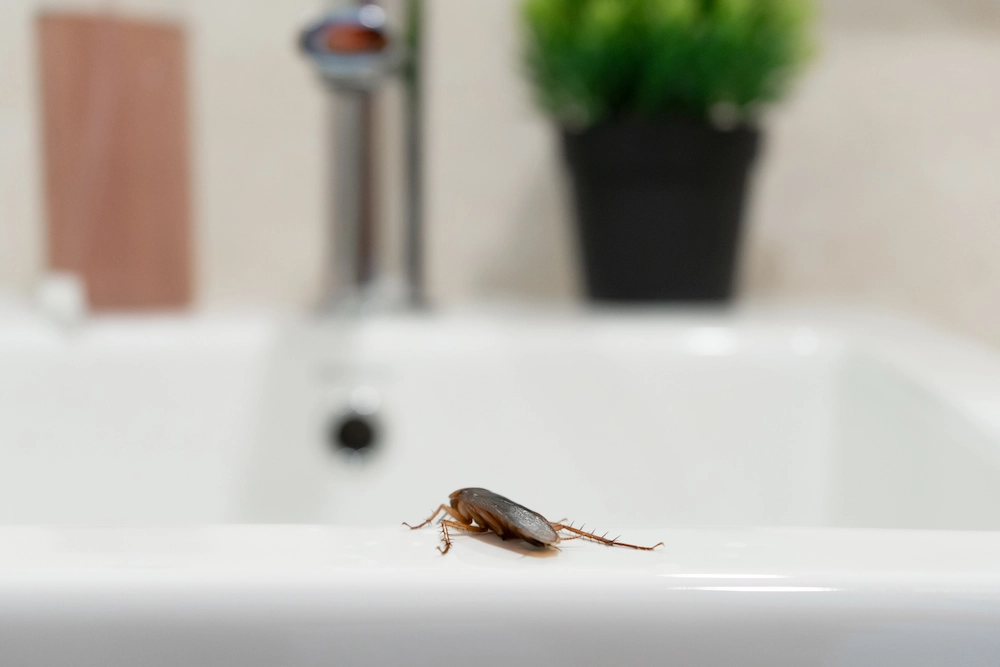
Most household pests are after food, water, and shelter. When one area offers two or three of those, it becomes a reliable stop. A pest that wanders through and finds what it needs will come back, and others tend to follow.
This is why spot treatments so often fall short. Spraying the ants on the counter or setting a trap where one mouse turned up deals with the individuals you can see, but the reason they were there hasn’t changed. Within days or weeks, new pests take the same path.
Where the repeats happen can narrow down the cause. Kitchens and pantries point toward food. Bathrooms, laundry rooms, and basements usually mean moisture, while windows and the edges of rooms along exterior walls often point to an entry gap close by.
Timing is the other half of the clue. Pests in the same spots every spring often trace back to ants waking up or insects that spent the winter inside the walls. A spot that flares up as fall nights cool around St. Louis usually means something outside is moving in for shelter, and the entry point is worth hunting down before the first hard freeze.
Attractants That Outlast a Good Cleaning
Invisible Trails and Scent Marks
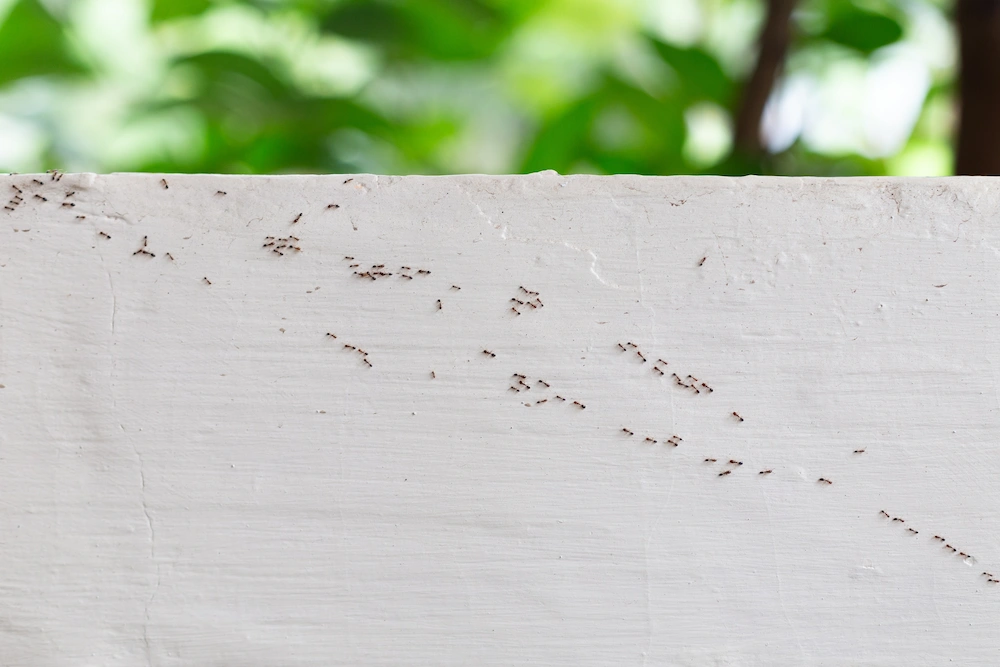
Some pests leave chemical signals behind that keep working long after the pests are gone. Foraging ants lay down pheromone trails that lead other workers to a food source, which is why they march along the exact same line every time. Wiping up the visible ants without washing the trail itself with soapy water leaves the route in place.
When a trail keeps reforming no matter how often you clean, it usually leads back to a colony nesting outdoors or inside a wall. Pointe’s ant control services start by finding where the colony is nesting and feeding, because treating the trail alone tends to buy a week or two at most.
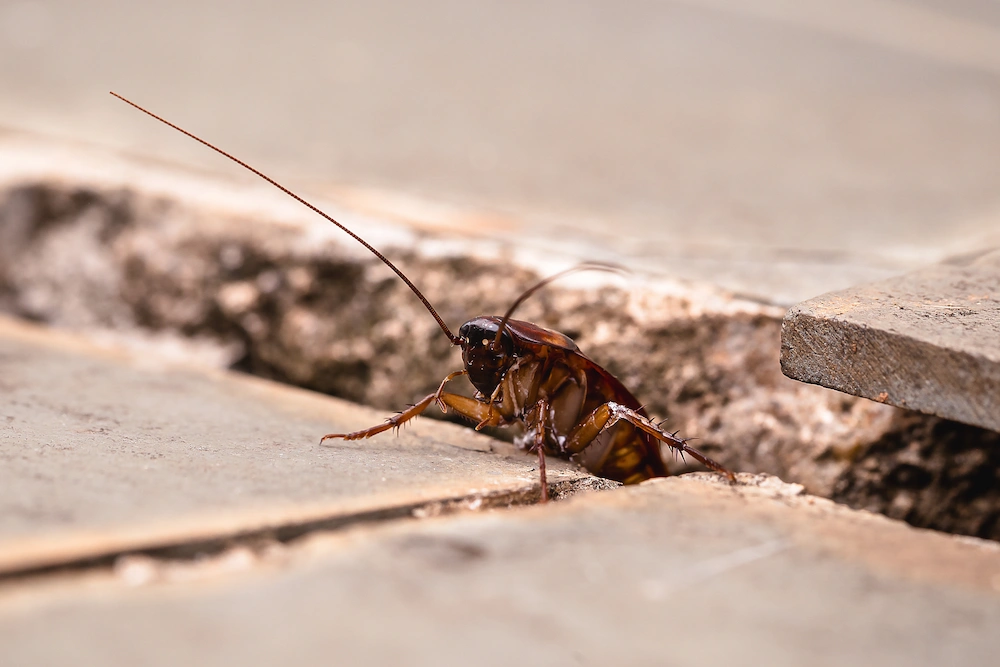
Cockroaches work in a similar way. Their droppings contain chemicals that draw other roaches to the same hiding places, so a cabinet hinge or appliance gap with old droppings can keep pulling in new ones. Mice prefer to run along walls and reuse the same routes, and they often leave greasy rub marks on baseboards and droppings near wherever they feed.
A good test is to clean the area thoroughly and then watch it for a week. If the same pests come back to the exact same place within a few days, the source is still active somewhere nearby, and more wiping won’t fix it.
Moisture You Can’t See
Silverfish, centipedes, and springtails rarely stray far from damp areas. A slow drip under the bathroom sink, condensation on a basement wall, or a poorly sealed dryer vent can keep one corner humid enough to hold them for months.
St. Louis summers are muggy, and plenty of basements around Florissant, Ferguson, and Brentwood hold onto that moisture well into fall. Fixing leaks and running a dehumidifier in a damp lower level can make the space far less inviting.
Finding pests in the same spots near a sump pit, water heater, or HVAC condensate line is a strong hint that moisture is the draw. Those areas stay damp even during dry stretches, and they tend to sit in unfinished corners that nobody checks very often.
Food attractants hide in places a normal cleanup misses too. Crumbs under the stove, a pet bowl left out overnight, the recycling bin by the back door, and a bag of birdseed in the garage can all keep a single spot on the map.
Gaps and Hiding Places Near the Hot Spot
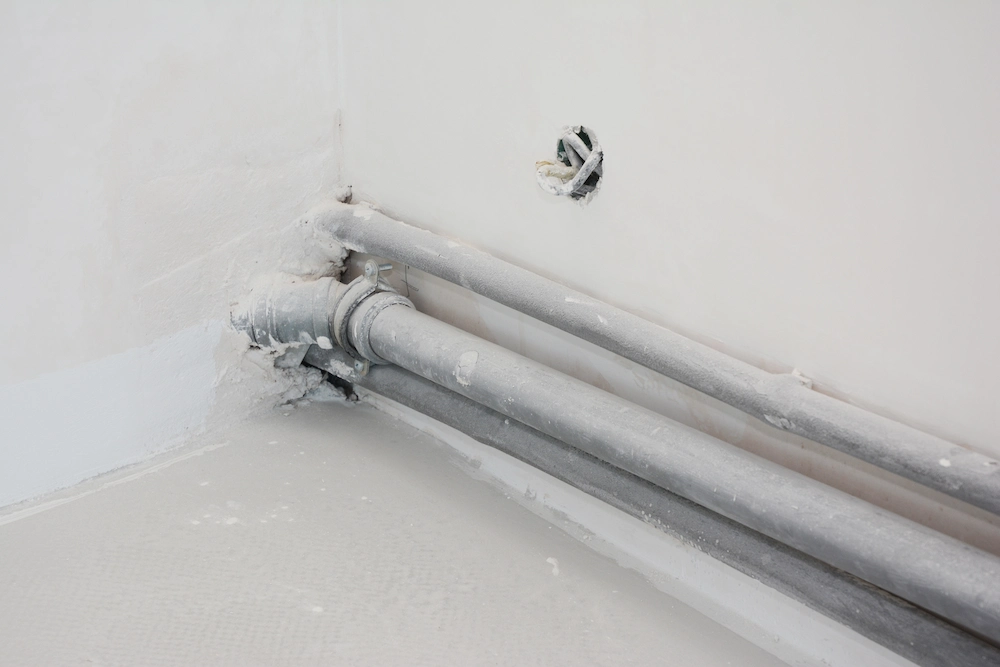
When pests show up near the same window, door, or baseboard every time, the way in is often close by. Look where plumbing passes through the wall under sinks, behind the washer, around the dryer vent, and along the bottom of exterior doors where the sweep has worn down. A garage door with a cracked bottom seal gives crickets, mice, and spiders an easy route inside.
Some repeat sightings come from pests that are already in the house. Stink bugs and boxelder bugs that crawled into wall voids last fall can turn up at the same sunny window all winter, since they keep emerging from the same gaps around the frame. Seeing them in February doesn’t mean new ones are getting in. It usually means last fall’s group is waking up.
Clutter makes all of this worse. Cardboard boxes stacked in the basement, storage bins pushed against walls, and piles of laundry give pests a hiding place right next to food or water, and that is what turns a passing visit into a regular one. Cutting back doesn’t mean emptying the basement. Keeping storage off the floor and a few inches away from the walls leaves less cover along the routes pests already use.
What’s Happening Right Outside That Wall
The conditions on the other side of a problem wall matter as much as the gap itself. Mulch piled against the foundation, shrubs touching the siding, firewood stacked against the house, and downspouts that dump water at the base of the wall all support a healthy pest population right next to the entry point.
Pulling mulch back a few inches from the foundation, trimming plants so they don’t touch the house, and extending downspouts away from the walls cuts down on how many pests are staging outside in the first place. Fewer pests outside means fewer reasons for them to keep testing that same crack.
When the same spot keeps getting pests, check these first:
- Under and behind appliances near the problem area
- Plumbing penetrations and the backs of cabinets
- Door sweeps, weatherstripping, and window trim
- Signs of moisture like stains, a musty smell, or peeling paint
- Droppings, shed skins, or rub marks that reveal a travel route
Breaking the Cycle in Chesterfield Homes
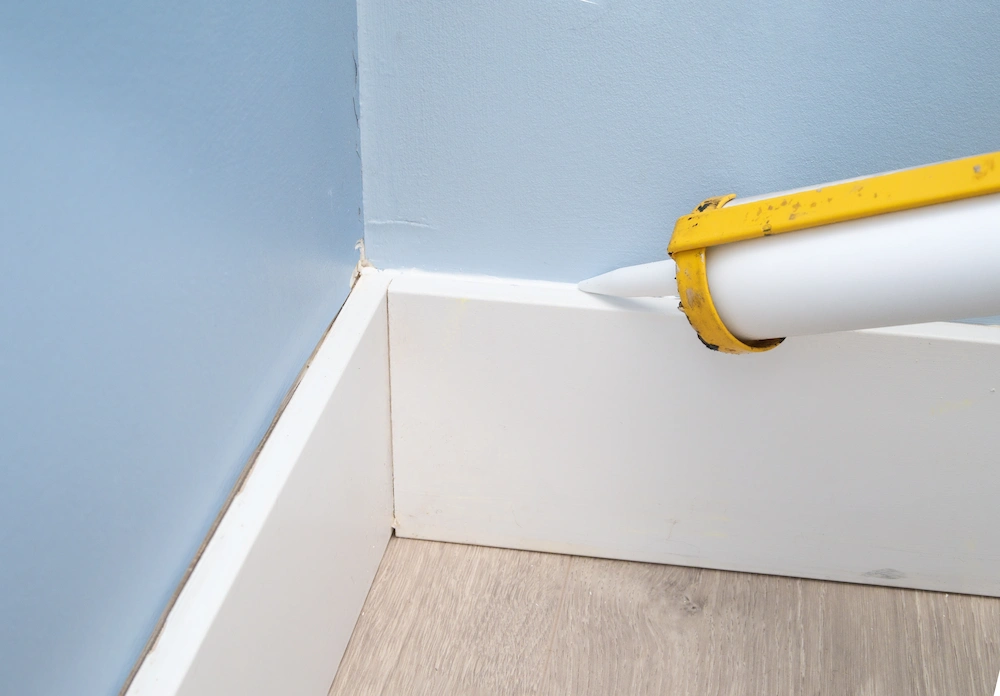
A spot that keeps attracting pests is giving you information. Clean away scent trails, fix the leak, seal the gap nearby, and clear the clutter, and the area loses most of what made it appealing. Doing those things together usually works better than any single spray.
If you’ve covered the obvious fixes and the same corner keeps filling up, Pointe’s Chesterfield pest control technicians can inspect the hot spots, trace where the pests are coming from, and recommend a plan that fits your home. Sometimes a fresh set of eyes finds what you’ve walked past for months. We’re ready to help you tackle those persistent pests, so contact us for a free quote on our thorough pest control services today!
Citations
Why do ants keep showing up in the same spot in my house?. (2026, April 21). Big Time Pest Control. Retrieved October 14, 2026, from https://www.bigtimepestcontrol.com/blog/post/why-do-ants-keep-showing-up-in-the-same-spot-in-my-house