
Summary: Backyard sheds attract spiders, wasps, and mice because they are dark, quiet, and full of nesting material. This guide covers how St. Louis area homeowners can organize storage, seal gaps, keep doors closed, and handle a November clean-out to maintain a pest-free shed.
__________________________________________________________________________________________________________________________________
Most backyard sheds get opened a few times in November to put away the mower and pull out the leaf rake, then sit closed until March. That quiet stretch is exactly what spiders, mice, and overwintering insects are looking for. By spring, the bag of grass seed has a hole chewed in the corner and there is a web across every shelf.
Keeping a pest-free shed has less to do with sprays and more to do with how the shed is stored, sealed, and opened. This guide covers which pests move into St. Louis area sheds, how to set up storage so they have fewer places to hide, which gaps to close, and a November clean-out routine that sets the shed up for the cold months.
What Moves Into Backyard Sheds Around St. Louis
A shed offers the same things a pest looks for in a house, minus the people. It is dry, dark, rarely disturbed, and usually full of cardboard, rags, and seed. In this area, three groups of pests account for most of the trouble.
Spiders That Like Undisturbed Corners
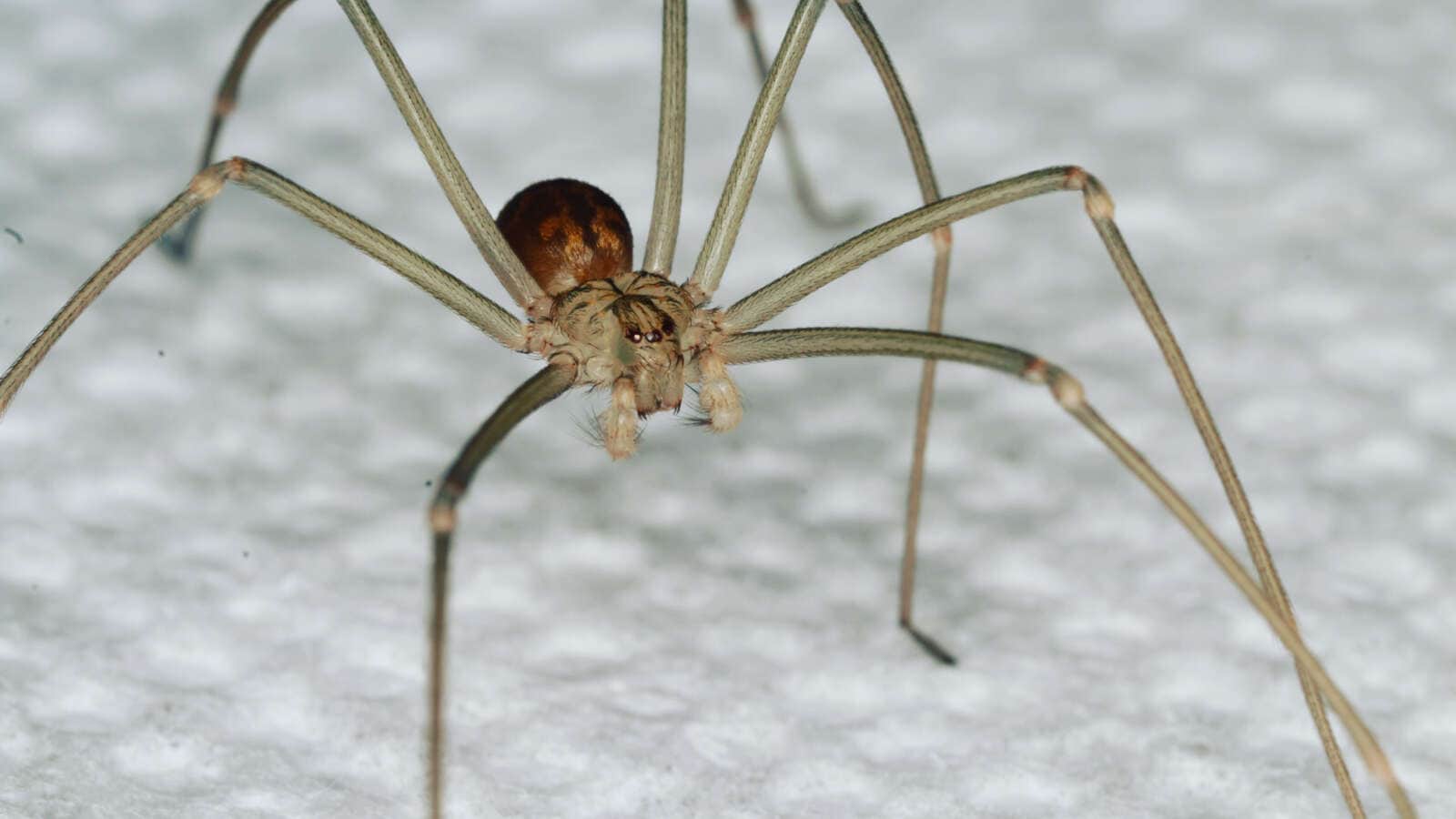
Spiders follow their food. If a shed has crickets, beetles, and moths wandering in under the door, spiders will set up along the rafters and behind stored items to catch them. Web-builders tend to work the corners and the gap between the shelving and the wall, while hunting spiders like wolf spiders roam the floor at night.
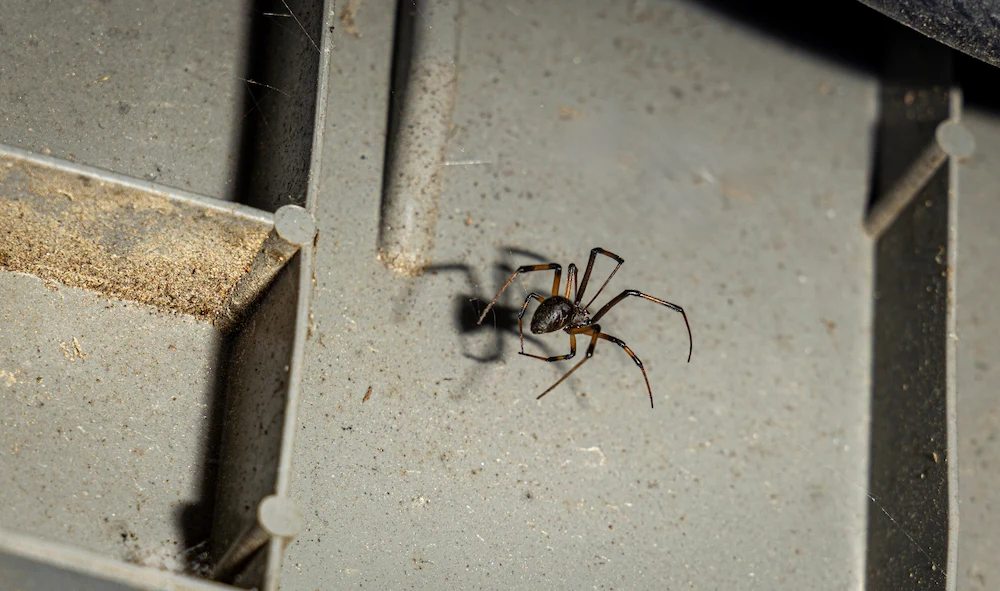
Two species deserve real caution. Brown recluses hide in dark spaces near undisturbed boxes and building materials, which describes the back half of most sheds, and black widows prefer dark, dry, covered spots like the underside of a stack of pots or a pile of scrap lumber. Both are reasons to wear gloves before reaching blindly into a bin that has sat untouched since summer.
Wasps Building Under the Eaves
Paper wasps and baldfaced hornets hang their nests from overhangs and sheds, and mud daubers stack their mud tubes in sheltered spots like rafters and eaves. A shed door that stays propped open on summer afternoons gives them an easy way to build on the inside framing too.
By November, most of those colonies have died off and only the fertilized queens survive the winter, tucked into protected spots. That timing makes late fall the safest season to deal with old nests, which the clean-out section below covers.
Mice and Rats Looking for Winter Quarters
Rodents are the most destructive shed pests. As nights drop toward freezing, mice go looking for shelter close to food, and a shed holding birdseed, grass seed, or pet food checks both boxes. House mice can squeeze through a hole about the size of a dime, so a warped door or a rotted corner of the floor is more than enough room.
Once inside, mice shred paper, fabric, and insulation to build nests. Seat cushions from patio furniture, old towels, and the cardboard boxes that tools came in all make good nesting material. Rats are more likely to dig a burrow under a shed that sits on blocks or a slab, using the floor as a roof over their nest.
Set Up Storage So Pests Have Nowhere to Settle
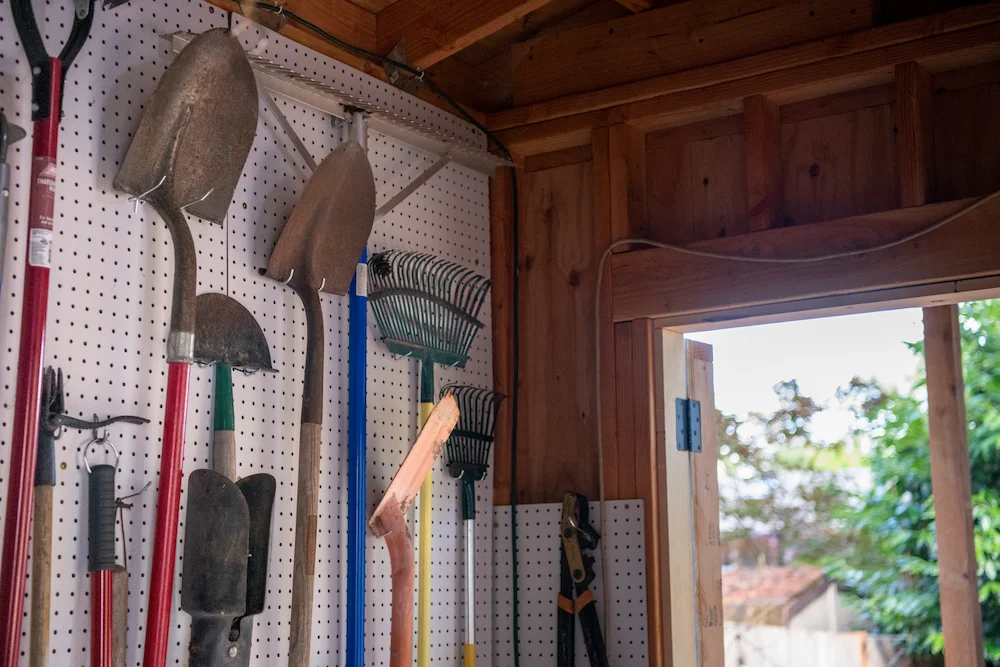
The way a shed is organized has a bigger effect on pests than most people expect. Every pile, box, and gap behind the shelving is cover, and cover is what spiders and rodents need to stay comfortable.
Get Everything Off the Floor
Metal or plastic shelving that keeps stored items up off the floor makes a noticeable difference. It leaves the floor open, so droppings, webs, and chewed material are easy to spot, and it removes the dark gap under stacked boxes where mice like to nest. Leave a few inches between the shelving and the walls as well. That small space lets you see along the wall line, which is the route rodents travel.
Tools hung on wall hooks or pegboard are better than tools leaning in a corner. A cluster of rakes, shovels, and garden stakes in one corner creates a shady pocket that spiders love, and it is hard to clean behind without moving everything.
Swap Cardboard for Sealed Bins
Cardboard causes more shed problems than almost anything else stored there. It holds moisture, it is easy for mice to chew, and spiders tuck egg sacs into the folds and seams. Clear plastic bins with tight lids keep pests out and let you see what is inside without opening every one.
Anything that smells like food belongs in a metal or heavy plastic container with a locking lid:
- Birdseed, grass seed, and wildflower seed
- Dry pet food and livestock feed
- Fertilizer bags that have been opened
- Bags of potting soil or bulbs being stored for spring
Paper bags of seed left on the floor are an open invitation. Mice will find them within days, and once they know food is there, they will keep coming back until the source is gone.
Store Fabric and Cushions Carefully
Patio cushions, tarps, drop cloths, and old blankets are prime nesting material. If they have to live in the shed over winter, keep them in sealed bins or heavy-duty storage bags rather than folded on a shelf. Check them before bringing them back out in spring, since a mouse nest buried in a cushion is not something you want to find on the deck.
Mowers, snowblowers, and string trimmers deserve a quick look too. Mice can build nests in engine compartments and air filter housings over the winter, and they may chew on wiring while they are in there. A loose cover won’t stop them.
Seal the Shed and Keep the Doors Shut
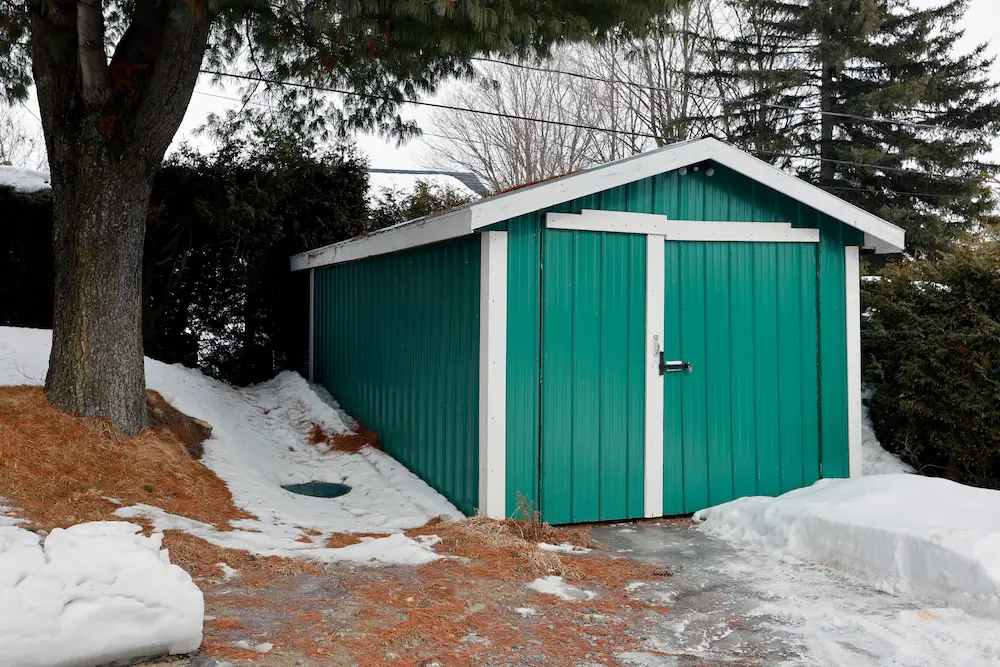
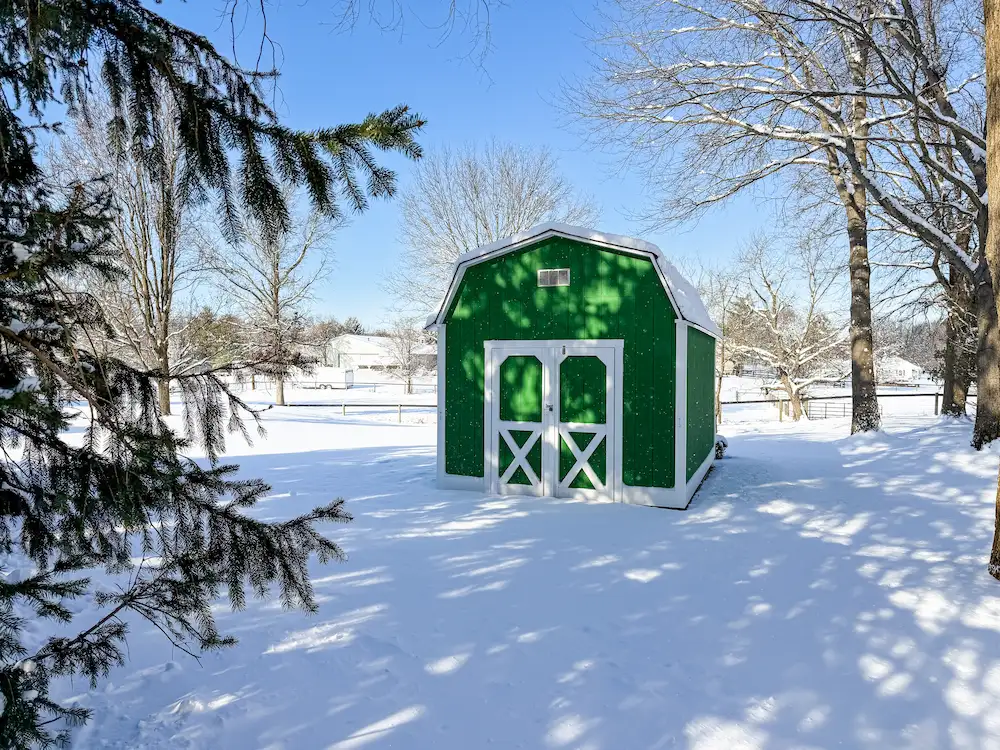
Even a well-organized shed will fill up with pests if the building itself is full of openings. Many sheds around St. Peters, O’Fallon, and Belleville are prefab wood or resin units that have settled and shifted after a few years, and that movement opens gaps you won’t see from the outside.
Check the Door First
The door is usually the biggest weak point. Doors on wood sheds swell and shrink with the seasons, and many sit an inch or more above the threshold. A door sweep or a strip of weatherstripping along the bottom edge can close that gap. Double doors often leave a vertical gap where they meet, which a strip of trim or weatherseal can cover.
Keeping the door closed matters as much as sealing it. A door left open during a long afternoon of yard work gives wasps, spiders, and the occasional mouse time to walk right in. Close it whenever you step away, and check that the latch actually pulls it tight against the frame.
Floor, Walls, and Vents
Get down low and look at the base of the shed from outside. Rotted floor edges, gaps between the floor and the siding, and holes where the shed meets its foundation are common rodent entry points. Steel wool or copper mesh packed into small holes, then covered with caulk or sealant, holds up better than caulk alone because rodents can chew through soft fillers.
Vents and windows need attention too. Ridge and gable vents should have intact screening, and fine hardware cloth can be fastened behind any vent where the original screen has torn.
What’s Happening Around the Shed
The ground right around a shed is as important as the shed itself. Tall grass, overgrown shrubs, and leaf piles against the walls give spiders and rodents a staging area right next to the entry points. The tips on Pointe’s spider control page apply here as well: trim plants back, clear leaf litter, and keep stacks of stones, firewood, and clutter from leaning against the structure.
Firewood is a common offender. A woodpile stacked against the side of a shed gives mice, spiders, and other insects cover right up to the wall. Moving it a few feet away and up off the ground on a rack can cut down on how many pests use it as a doorstep.
A November Clean-Out for Your Shed
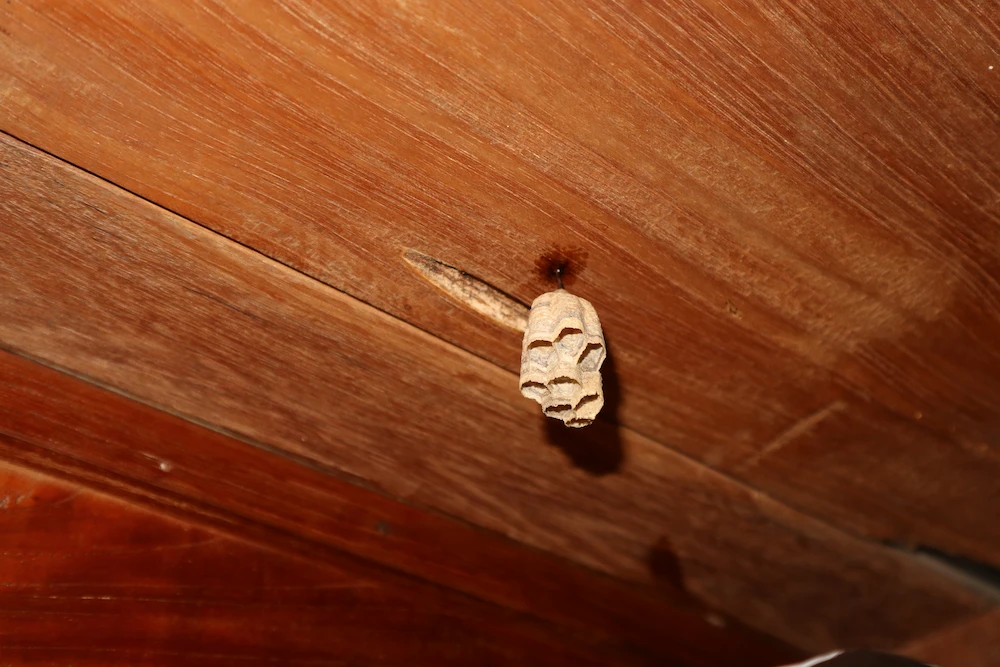
Late fall is a good time to give the shed a thorough cleaning. Wasp colonies have mostly died off, rodents are just starting to look for winter quarters, and the shed is about to sit closed for months.
Work Safely
Wear work gloves and long sleeves, especially when moving boxes or pulling items off high shelves. Open the doors and any windows before you start so the shed gets some airflow while you work.
If you find mouse droppings or nesting material, don’t sweep or vacuum it dry, since that can kick dust into the air. Widely published public health guidance recommends spraying droppings and nests with a disinfectant or a bleach solution, letting it soak for a few minutes, and wiping it up with paper towels before throwing everything away in a sealed bag. Anyone who feels sick after cleaning up after rodents should contact their doctor.
Knock Down Old Nests and Webs
Old paper wasp and hornet nests are generally not reused the following year, so once a hard frost has passed, they can be scraped down and thrown out. If you see any activity at all, leave the nest alone and call a professional instead. Pointe’s technicians wear protective suits when we treat and remove stinging insect nests for that reason.
Brush down webs along the rafters, corners, and window frames, and look for spider egg sacs while you are at it. A single sac can hold many eggs, so removing them now can save you a much bigger spider population in spring. A shop vac works well for this, followed by emptying the canister outside.
Clean-Out Checklist
Before closing the shed up for winter, run through these steps:
- Throw out cardboard boxes and move what is worth keeping into sealed bins
- Move seed, feed, and pet food into lidded metal or plastic containers
- Sweep the floor and check every corner for droppings, chewed material, or nests
- Look for daylight around the door, along the floor, and at the vents
- Pull firewood, leaf piles, and stored lumber away from the outside walls
Once it is clean and sealed, open the shed every few weeks through winter for a quick look. Fresh droppings, chewed bags, or new webs tell you something has found a way in, and catching that early is far easier than a full spring clean-out.
Keeping Sheds Pest-Free From St. Peters to Swansea

A pest-free shed comes down to a few habits: get storage off the floor and into sealed bins, keep the door closed and the gaps sealed, clear out the clutter around the outside walls, and give it a careful clean-out each November.
If you are already seeing droppings, gnaw marks, or more spiders than you are comfortable with, the team at Pointe can help. Their inspections include outbuildings like sheds and garages, and the rodent control service in St. Peters starts with a search for entry points so the problem doesn’t come back. Homeowners from St. Charles and Florissant across the river to Swansea and Edwardsville can reach out for a free quote before winter sets in. Contact us today!
Citations
How to keep your shed pest-free and your belongings safe. (2025, August 25). Quality Storage Buildings. Retrieved November 11, 2026, from https://qsbuildings.com/blog/how-to-keep-your-shed-pest-free-and-your-belongings-safe